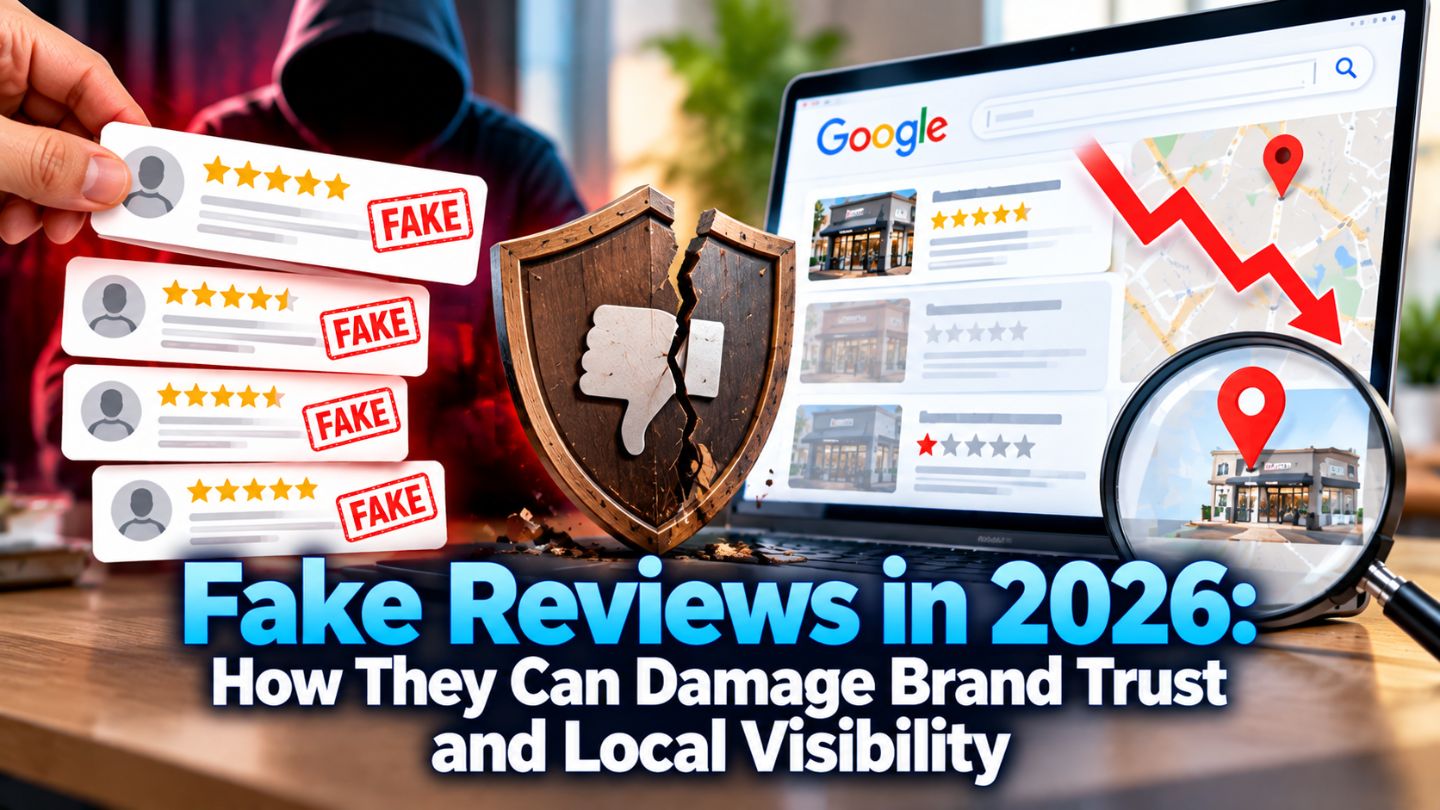
Local SEO Fake Reviews in 2026: How They Can Damage Brand Trust and Local Visibility
Fake reviews now carry FTC fines, UK penalties and Google profile restrictions. How they damage trust and local rankings, and what to do instead.
Read articleField notes on SEO, paid media, content and web design — the tactics we run for clients, written plainly.

Local SEO Fake reviews now carry FTC fines, UK penalties and Google profile restrictions. How they damage trust and local rankings, and what to do instead.
Read article

Content Marketing While thin, generic listicles are increasingly losing search traffic to AI-generated summaries, the format itself is not dead. High-quality listicles that offer genuine depth, original analysis, and decision-stage guidance remain highly defensible against zero-click searches. Content marketers should focus on auditing their existing posts and elevating their lists with real expertise rather than abandoning the format entirely.
Read article
Content Marketing Listicles often suffer a bad reputation due to lazy, filler-heavy execution, but when crafted carefully, they remain a highly effective content format. A successful listicle requires genuine substance in every item, strategic front-loading of the strongest points, a compelling introductory hook, and a focus on answering real search intent rather than just padding for keywords.
Read article
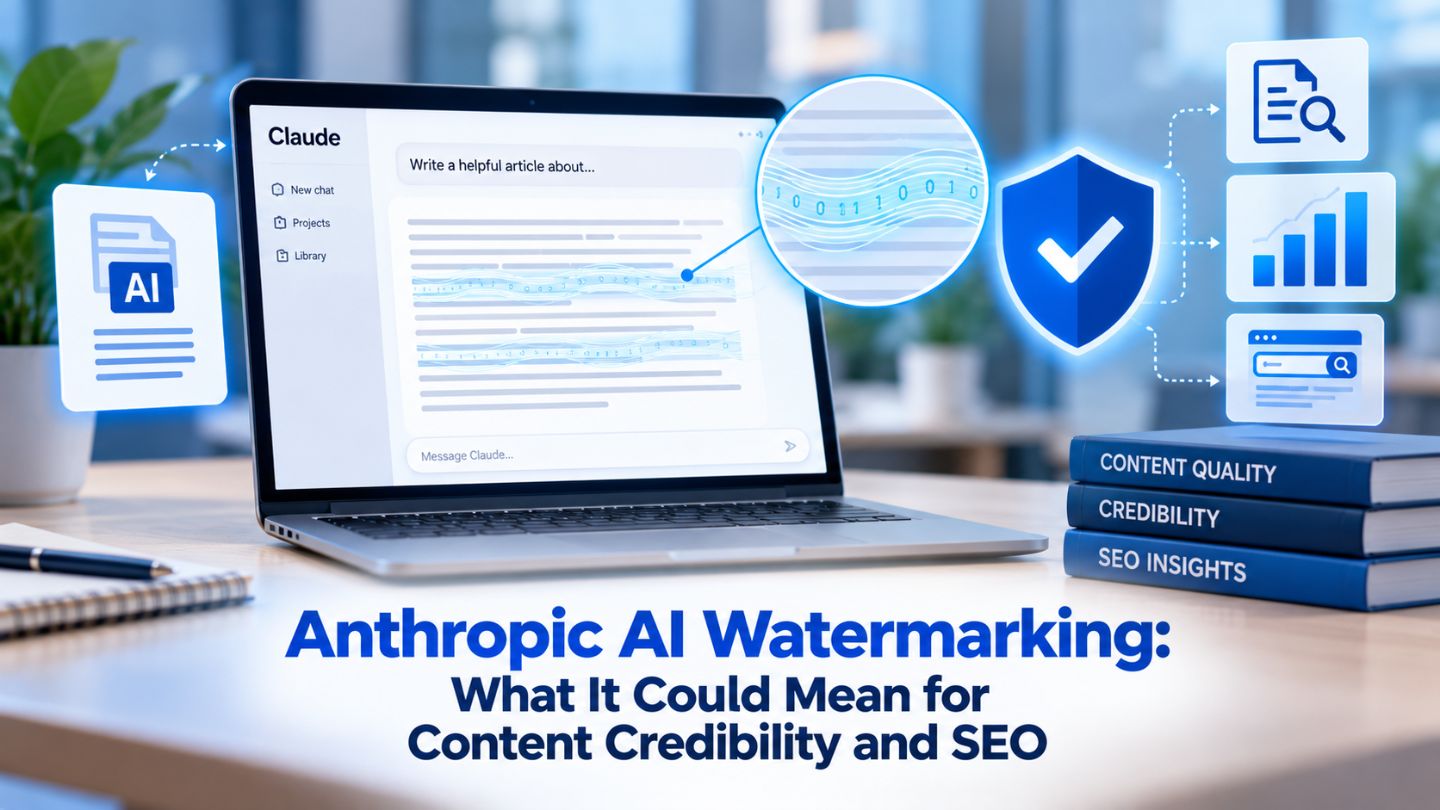
SEO As AI tools begin watermarking their output, many marketers fear SEO penalties. However, search engines prioritize content quality and helpfulness over its origin, meaning detection does not equal a ranking drop. The real challenge of AI watermarking is brand credibility and reader trust, making human expertise and thorough editing more critical than ever for a durable, long-term content strategy.
Read article
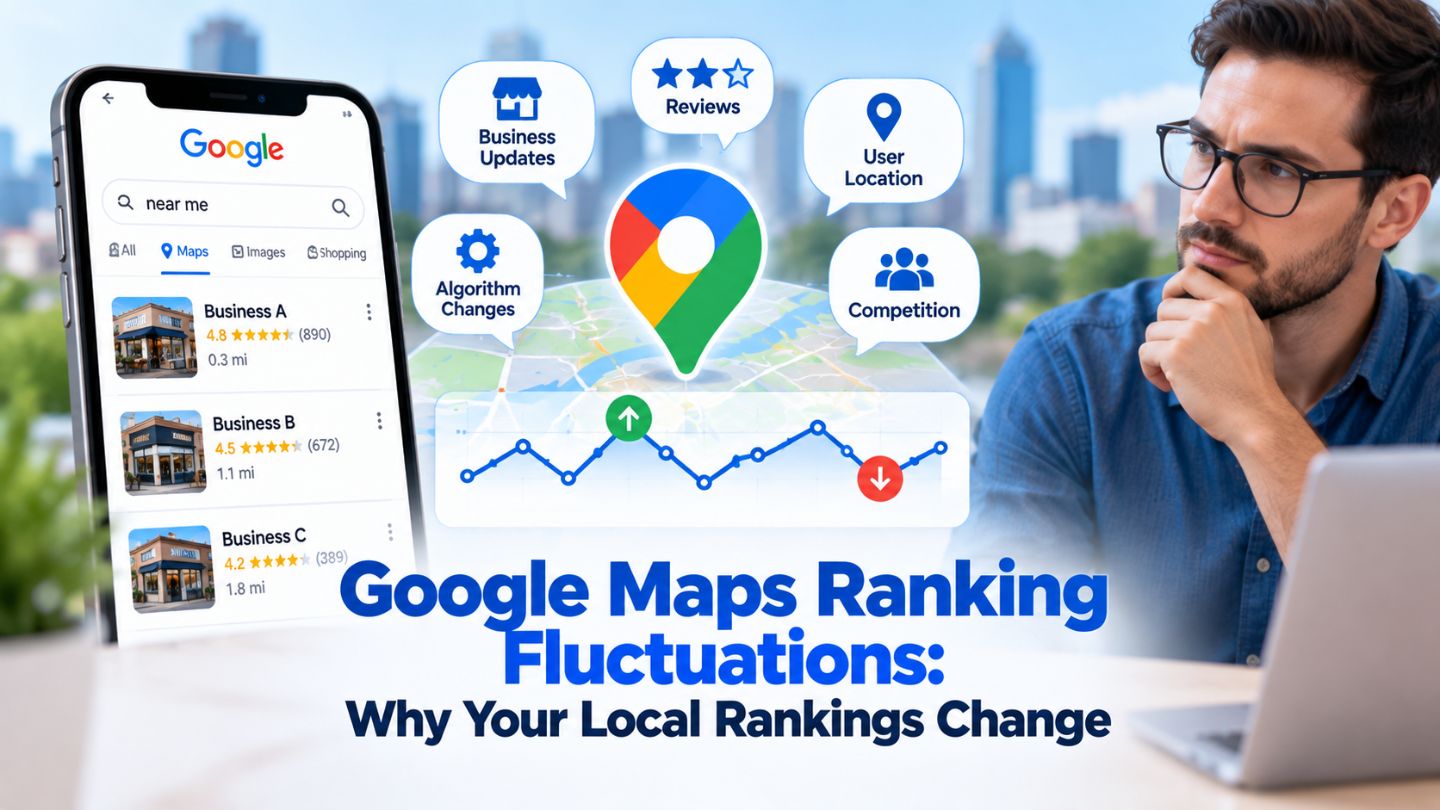
SEO Local Google Maps rankings naturally fluctuate based on the searcher's exact location, personalization, and competitor activity. While sudden daily movements are usually harmless noise, sustained drops require investigation. To build true ranking stability, businesses must avoid reactive profile tinkering and focus on consistent, long-term local SEO fundamentals.
Read article
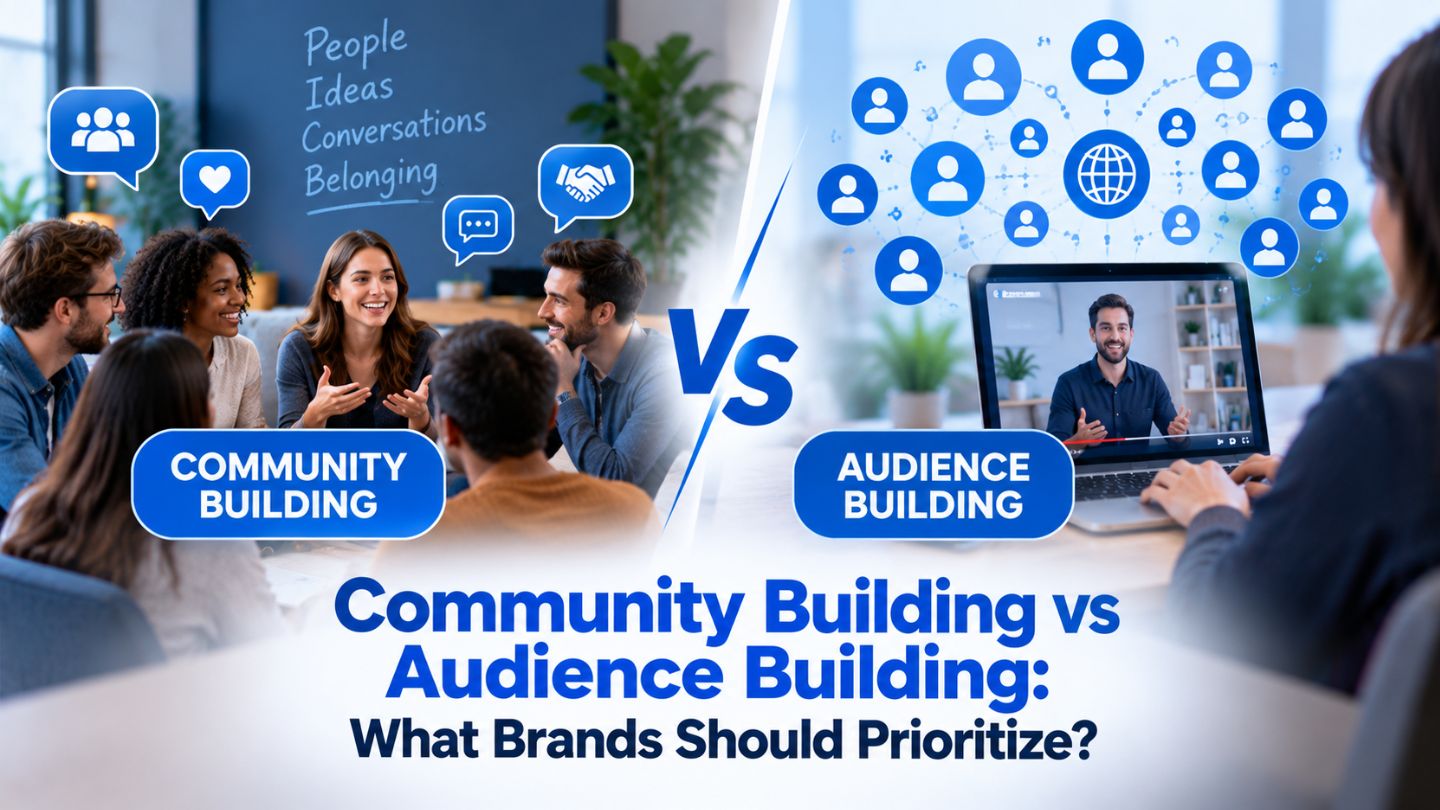
SEO Audience scales reach; community scales loyalty. Both are valuable but they serve different business models, cost different things to build, and the vanity metrics platforms show will quietly push you toward the wrong one. This post breaks down the real difference, which businesses need which, and how to choose deliberately.
Read article
SEO AI is a powerful SEO assistant, but only when it accelerates your thinking rather than replaces it. This post covers where AI genuinely helps (research, drafting, outlining), where it should never be trusted (strategy, facts, differentiation), and how to build a workflow that keeps human judgment at the center.
Read article
SEO Learn how robots.txt and server-level controls differ when blocking AI crawlers, including their strengths, limitations, configuration risks, and the potential impact on AI-driven visibility.
Read article
Social Media Facebook retargeting helps re-engage website visitors who have already shown interest. Learn how to segment audiences by behavior, manage frequency, match messages to drop-off points, and exclude past converters for more effective campaigns.
Read article
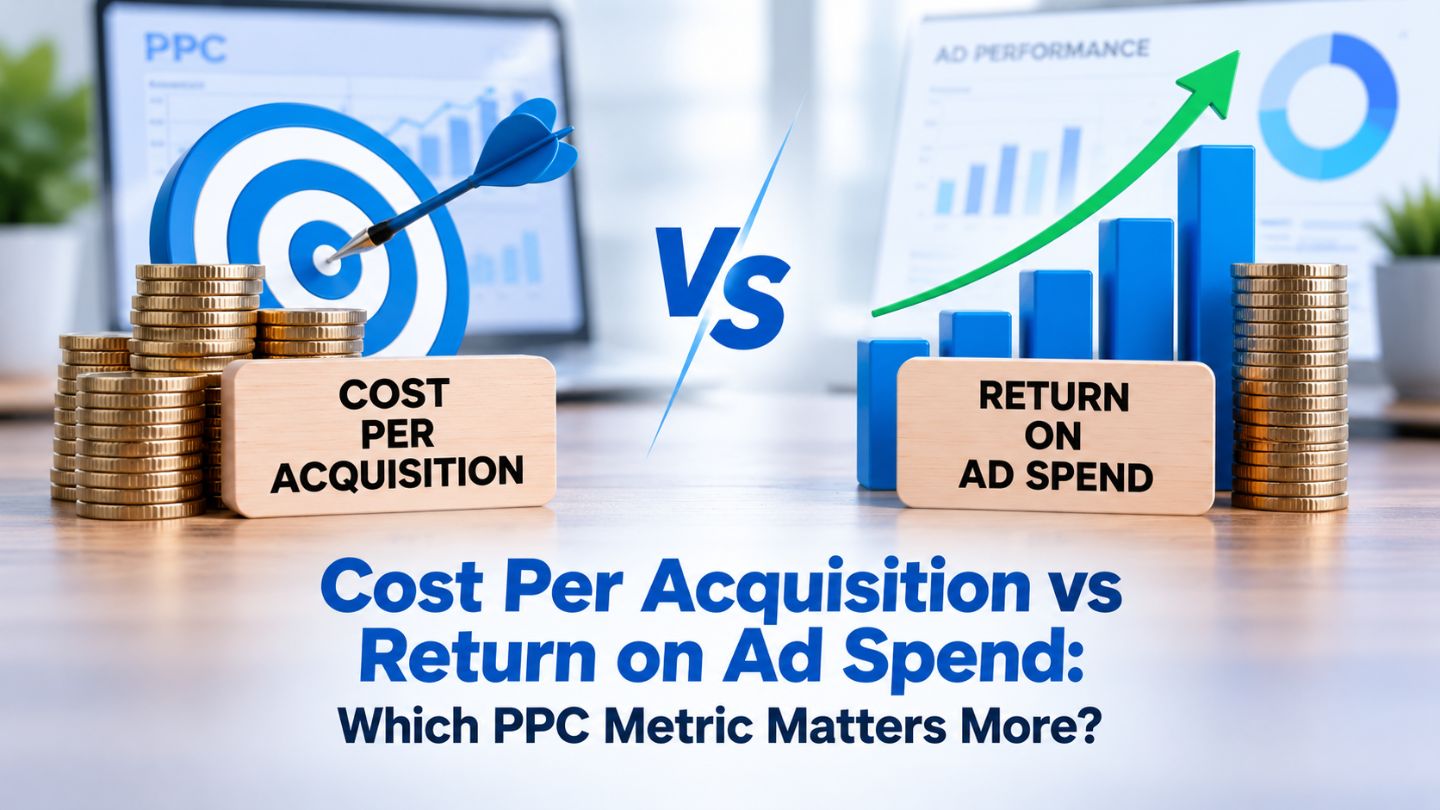
Paid Media CPA and ROAS measure different aspects of PPC performance. Learn when to prioritize each metric, how margin and lead quality affect profitability, and why using both together provides a clearer view of campaign performance.
Read article
SEO A redesign is justified when the site's structure or performance is genuinely blocking the business, not when it looks tired to the people who see it every day. Diagnose where visitors are actually failing, try the targeted version first, and if you do rebuild, protect the pages and URLs already working before anything else. The expensive mistake is not redesigning too late; it is redesigning without knowing what problem you were solving.
Read article
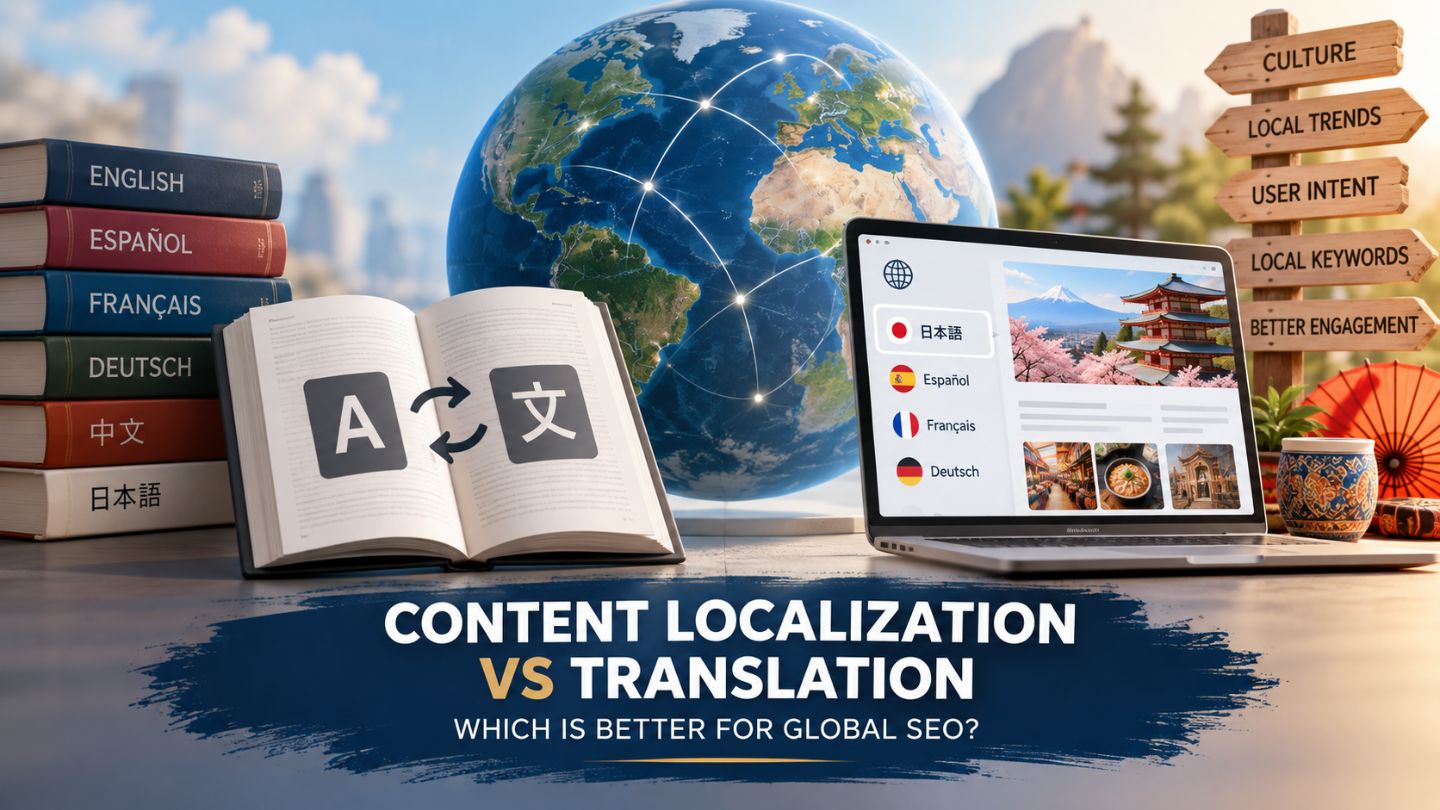
SEO Translation and localization solve different problems. Translation carries the words; localization carries the meaning, the examples, and crucially the search terms people actually use. For informational and reference content, translation is often enough. For anything that has to persuade or rank, researching the market fresh and adapting properly is what makes the difference. Tier the investment by how much each page depends on persuasion, and get the technical annotations right regardless of which route you take.
Read articlePage 6 of 37 · 438 articles
From the field
We write about the work because we do the work. Tell us your goals and we’ll put together a plan.