
The listicle gets dismissed as lazy content, and a bad one earns that reputation: a thin numbered list padded with filler that nobody finishes. A good one is genuinely hard to write and genuinely useful, which is why the format persists despite the scorn. This blog covers what separates a listicle people actually read from one they abandon at item three, how to structure it for engagement, and how to keep it from becoming the empty content the format is accused of being.
Key Takeaways
- The format is not the problem; thin execution is.
- Each item needs genuine substance, not a padded sentence.
- Order matters more in a listicle than in most formats.
- Scannability and depth are not opposites when structured well.
- A strong listicle answers a real question, not just a keyword.
Why Listicles Get a Bad Reputation
The format earned its critics honestly. Too many listicles are a number in the title attached to a list of obvious points, each expanded with a sentence of filler to hit a word count, offering nothing a reader could not have listed themselves. That version deserves the scorn, because it uses the structure as an excuse to avoid actually saying anything.
But the failure there is the execution, not the format. A list is simply a way of organizing information, and it happens to match how people often want to consume certain kinds of content: options, steps, comparisons, examples. The problem is never that something is a list; it is that the list has no substance. Understanding how skimmable content improves SEO and conversions shows why the structure works when the content underneath it is real.
Substance in Every Item

The single biggest difference between a good listicle and a bad one is whether each item earns its place. A strong item says something specific, useful, and not obvious, ideally with an example, a reason, or a detail the reader could not have supplied themselves. A weak item restates the heading and moves on.
The test is whether removing any item would make the piece meaningfully worse. If items are interchangeable or could be cut without loss, they are padding, and padding is exactly what gives the format its reputation. Fewer items with real depth beat more items with none, every time, even though it feels like the higher number should win. By applying a content-writing quality checklist, editors can catch the filler items that dilute a list.
Cut the Filler Items
A list of seven genuinely useful points is stronger than a list of fifteen where eight are filler. The padding does not add value; it dilutes the value that is there.
Read More: Why Google Penalizes Thin Content And How to Avoid It
Why Order Matters More Here
In most content, structure carries the reader through a single argument. In a listicle, each item is somewhat self-contained, which means order is doing real work, deciding what someone encounters first, whether they keep going, and what impression they leave with. A strong opening item earns the scroll; a weak one loses the reader before the good material arrives.
This argues for leading with genuinely strong items rather than saving the best for last or ordering them arbitrarily. People decide quickly whether a list is worth their time, and they decide based on the first item or two. Front-loading the substance, rather than building to it, respects how listicles actually get read, which connects to content sequencing to improve reader retention and engagement.
Scannability Without Emptiness
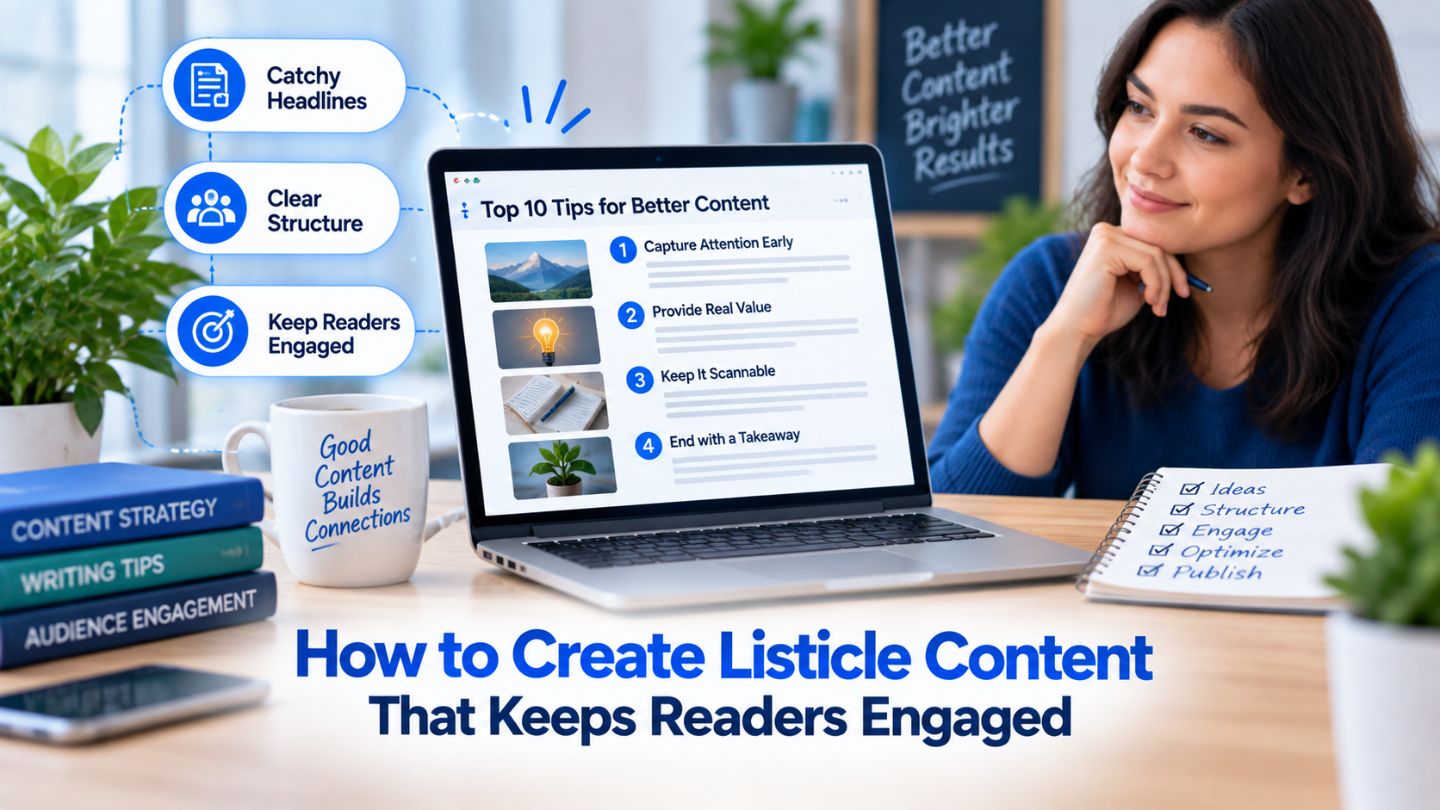
The tension people assume exists between scannable and substantial is mostly false. A listicle can be easy to skim and genuinely deep at the same time, if the structure lets a reader grasp the point of each item quickly and then choose to go deeper on the ones that matter to them. Clear item headings do the scanning; the content beneath them does the depth.
This is actually one of the format's strengths. A well-built listicle serves both the reader who wants a quick overview and the one who wants detail, because the structure separates the summary from the substance. The scannable layer is a feature, not a compromise, as long as there is real substance underneath for the readers who want it.
Answering a Real Question
The listicles that perform are the ones organized around a genuine question someone is asking, not just a keyword someone wanted to target. "Ways to do X" works when people genuinely need those ways; it fails when it is a keyword wrapped in a list format with no real user need behind it. The format should serve the question, not the other way around.
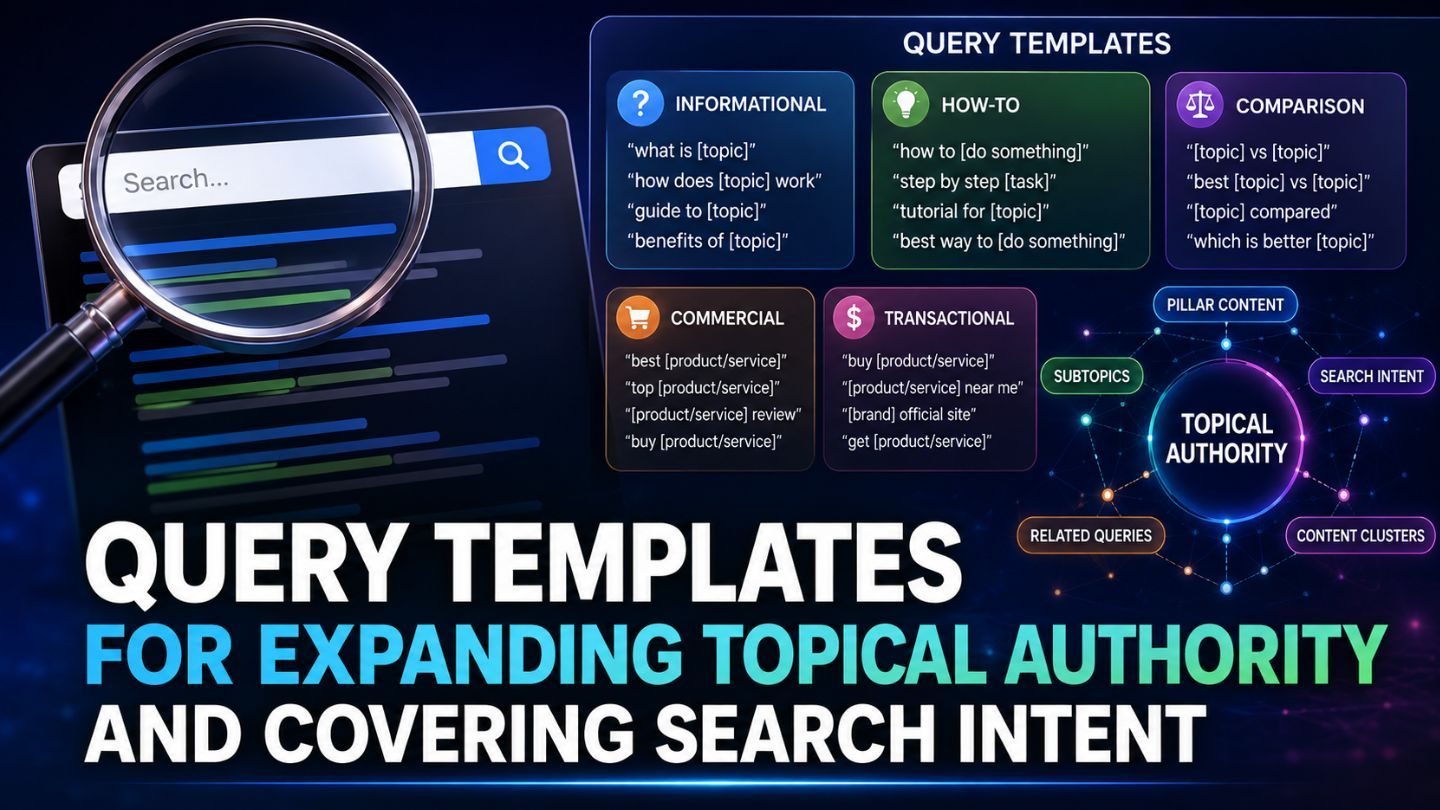
This is where listicles connect to genuine search intent. A person searching for options, comparisons, or examples is often best served by a list, which is why the format ranks and persists. Matching the listicle to a real informational need, rather than forcing a topic into a numbered format because listicles get clicks, is what separates useful ones from cynical ones. Starting from search intent rather than a keyword is what keeps the format honest.
Keeping It From Going Stale
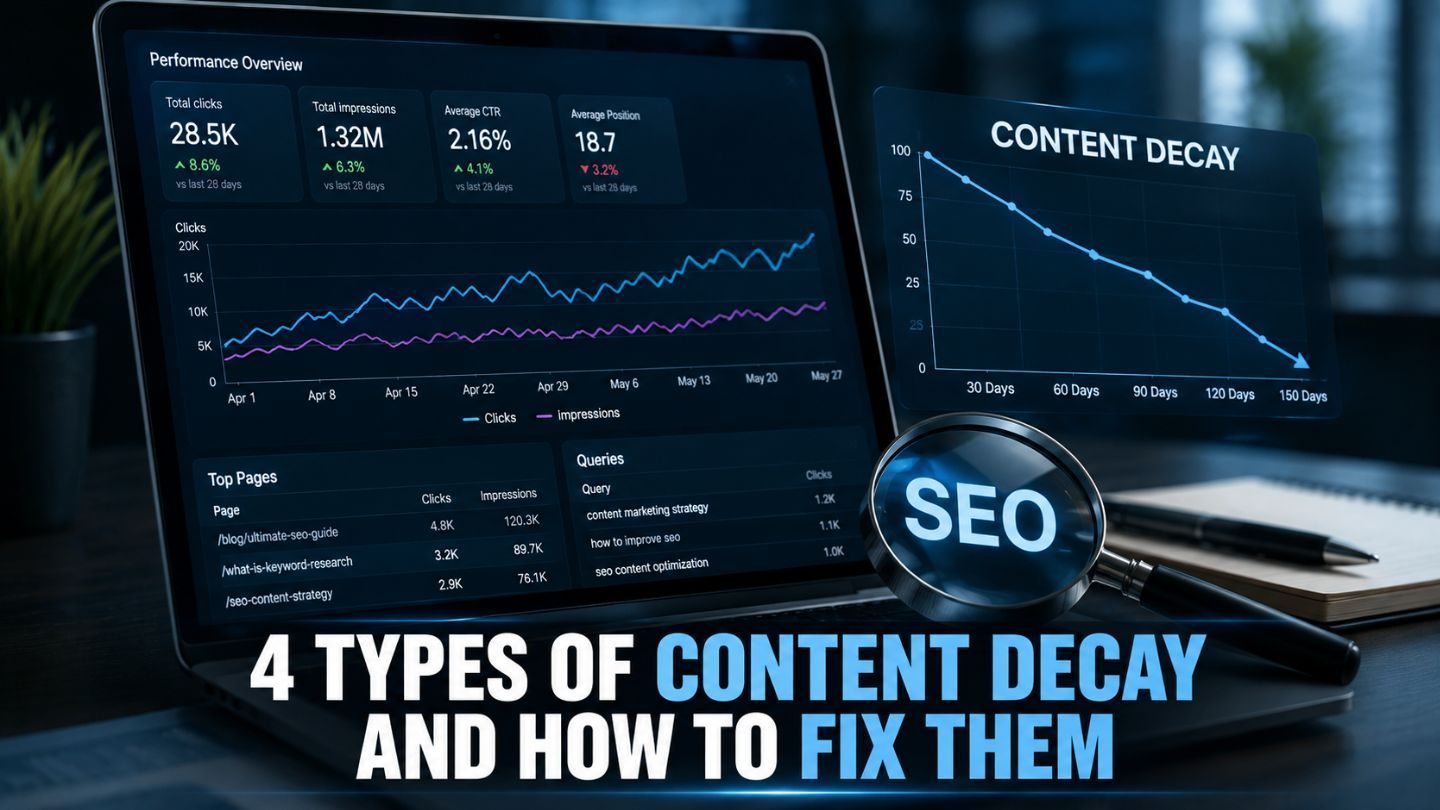
Listicles date faster than some formats, because a list of current tools, examples, or recommendations becomes wrong as the world moves on. A list referencing options that no longer exist reads as neglected, and the format's specificity, usually a strength, becomes a liability when the specifics age.
This makes maintenance part of the format rather than optional. The strong listicles that keep performing are the ones that get reviewed and updated as their contents change, rather than published once and abandoned. Building that upkeep into the plan, rather than treating the piece as finished at publication, is what keeps a good listicle good over time.
Read More: Content Refreshing Strategy: When and How to Update Old Posts
The Introduction Still Has to Earn the List

A listicle is not just a list; it is a list with a reason to exist, and the introduction is where that reason gets established. A strong opening explains why these items, why now, and why this list is worth the reader's time, rather than jumping straight into item one as though the list needs no framing. The introduction earns the scroll into the list itself.
This is a step thin listicles skip entirely, opening with a token sentence before the numbers start. A genuinely useful listicle sets up what the reader will get and why it matters to them, which frames everything that follows and gives the list a purpose beyond being a collection of points. The framing is part of what separates a considered piece from a mechanical one. The craft of writing intros that hold a reader applies here as much as to any other format.
Depth Without Bloat
There is a balance to strike between giving each item genuine substance and letting the piece bloat into something exhausting to read. Depth means each item says something real; bloat means each item is padded with words that do not add to the point. The two look similar in word count and feel completely different to a reader, and confusing them produces either thin items or exhausting ones.
The discipline is to make each item as substantial as it needs to be and no longer, which requires actually knowing what the valuable point of each item is. An item that makes its point well and stops respects the reader; one that keeps going to seem thorough loses them. Getting this balance right is what makes a listicle both deep and readable, which is the combination the format is capable of when it is done with care.
Writing Lists Worth Reading
The listicle deserves better than its reputation, because the reputation was earned by lazy execution rather than by the format itself. A strong one gives every item genuine substance, orders them so the reader stays, stays scannable without being empty, and answers a real question rather than chasing a keyword. Done that way, it serves readers who want an overview and readers who want depth at the same time, which is exactly why the format endures. The number in the title is not the point; the value behind each item is.
At The Ocean Marketing, we combine SEO strategy with Content Writing that makes even a familiar format genuinely useful. Whether you need help turning thin content into something worth reading, building formats around real search intent, or a free SEO audit to see how your content performs, our team can help. Contact us and let's make your content worth finishing.