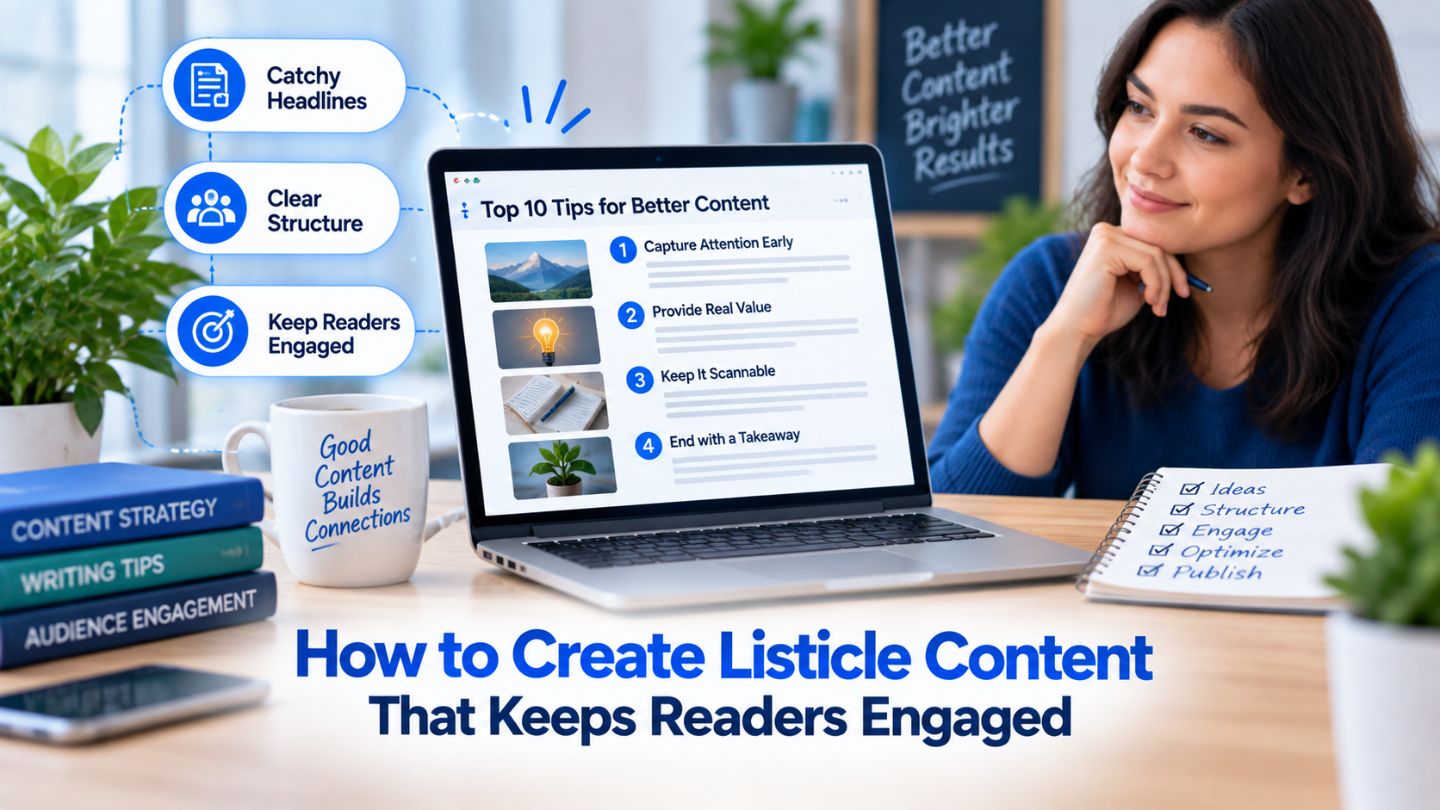


There is a running worry that listicles are losing ground in search, squeezed out by AI answers that summarize a list before anyone clicks and by a general sense that the format has been overused. Some of that concern is real, and some is misplaced, and telling them apart matters if you rely on the format. This blog covers what is genuinely changing for listicle visibility, what is not, and how content marketers should adapt without abandoning a format that still works when it earns its place.
Key Takeaways
- AI answers can absorb simple list content before a click happens.
- Thin, generic listicles are most exposed; substantive ones less so.
- The format is not dying, but the easy version of it is.
- Depth and genuine expertise protect a listicle from being summarized away.
- Intent still determines whether a list is the right format at all.
What Is Actually Changing
The genuine shift is that simple, informational list content is exactly the kind of thing AI-generated answers handle well. A query like the best few options for something, or a straightforward set of tips, can be summarized directly in an answer, satisfying the searcher before they click through to any list at all. For thin listicles, that is a real loss of traffic.
This is not unique to listicles; it is happening to all shallow informational content, but listicles feel it acutely because so many of them are shallow by construction. A list of obvious points with no depth is precisely what an AI summary replicates most easily, which means the format's laziest version is also its most exposed one. Understanding how skimmable content improves SEO and conversions puts this in context.
What Is Not Changing
The panic overshoots when it treats the whole format as finished. Listicles built on genuine depth, original examples, real expertise, or information that cannot be cleanly summarized in a sentence still earn the click, because the summary cannot do the job the full piece does. A list of ten options where each entry contains real analysis is not replaceable by a two-line answer.
The format also still matches how people want to consume certain content. When someone genuinely wants to compare options or work through a set of examples, a well-made list serves that better than prose, and that underlying user preference has not gone anywhere. The format persists where it genuinely fits; it just no longer coasts on the strength of being a list. This connects to topical authority, keyword authority, and what ranks faster.
The Easy Version Is What Is Dying
It is not listicles that are losing visibility; it is thin listicles. The distinction is the whole story, and it is easy to miss when the format gets discussed as one thing.
Read More: How Zero-Click Searches Are Impacting SEO & How to Adapt
How to Tell If Yours Is Exposed

The diagnostic question is whether your listicle could be replaced by a short summary without the reader losing anything. If someone could get everything valuable from a two-sentence answer, the content was always thin, and AI answers simply make that visible. If the value genuinely requires reading the full piece, it is far more defensible.
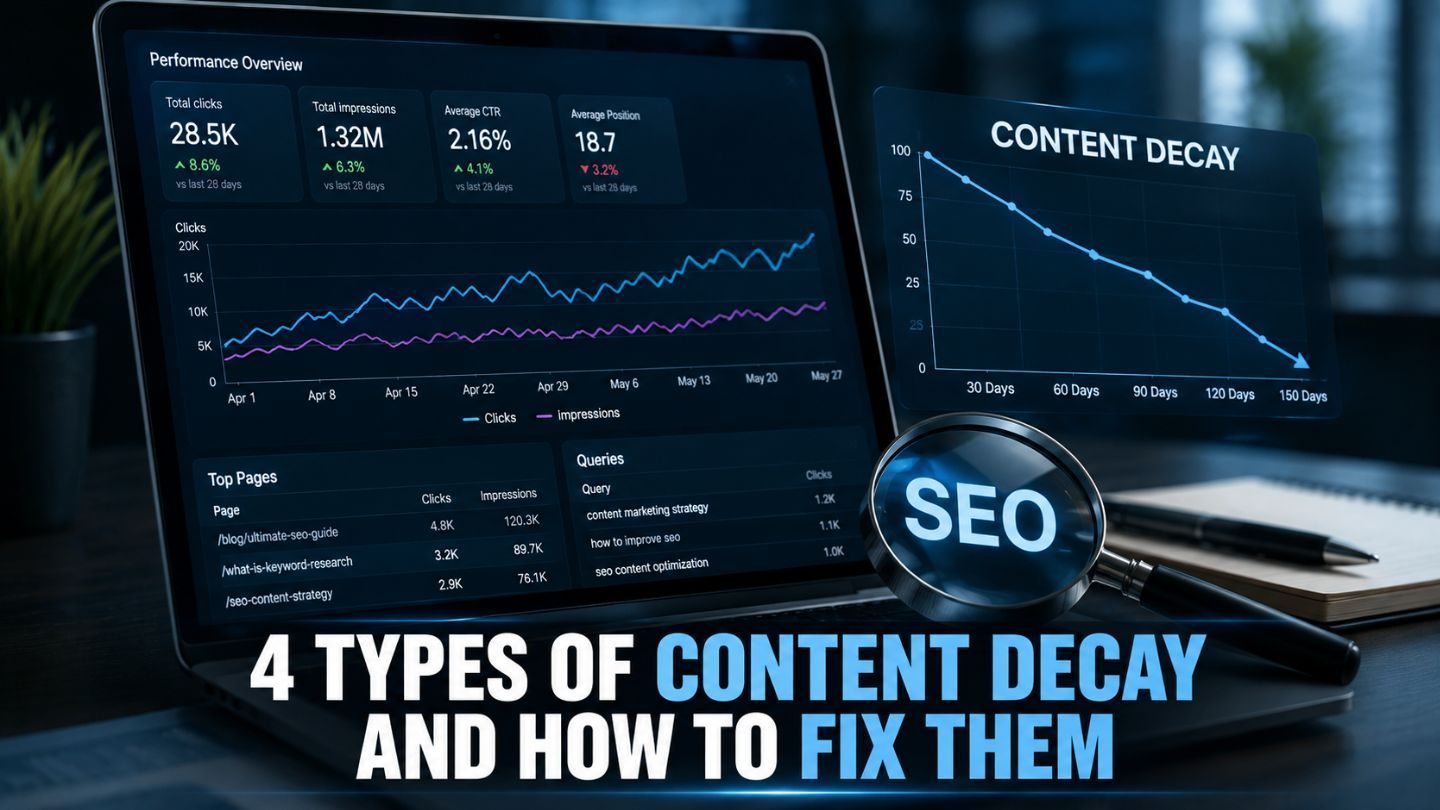
Look at your own listicles honestly against that test. Which ones contain analysis, examples, or expertise that a summary would flatten, and which ones are just organized lists of obvious points? The second category is where traffic is genuinely at risk, and pretending otherwise delays the work of either deepening them or letting them go. A listicle sliding in this way is showing the early shape of content decay.
Adapting Without Abandoning the Format
The productive response is not to stop writing listicles; it is to stop writing thin ones. Add the depth that makes each item worth reading, the expertise that a summary cannot replicate, the specific examples and reasoning that give someone a reason to click through rather than accept the summary. That was always what separated good listicles from bad; the change just raises the stakes on getting it right.
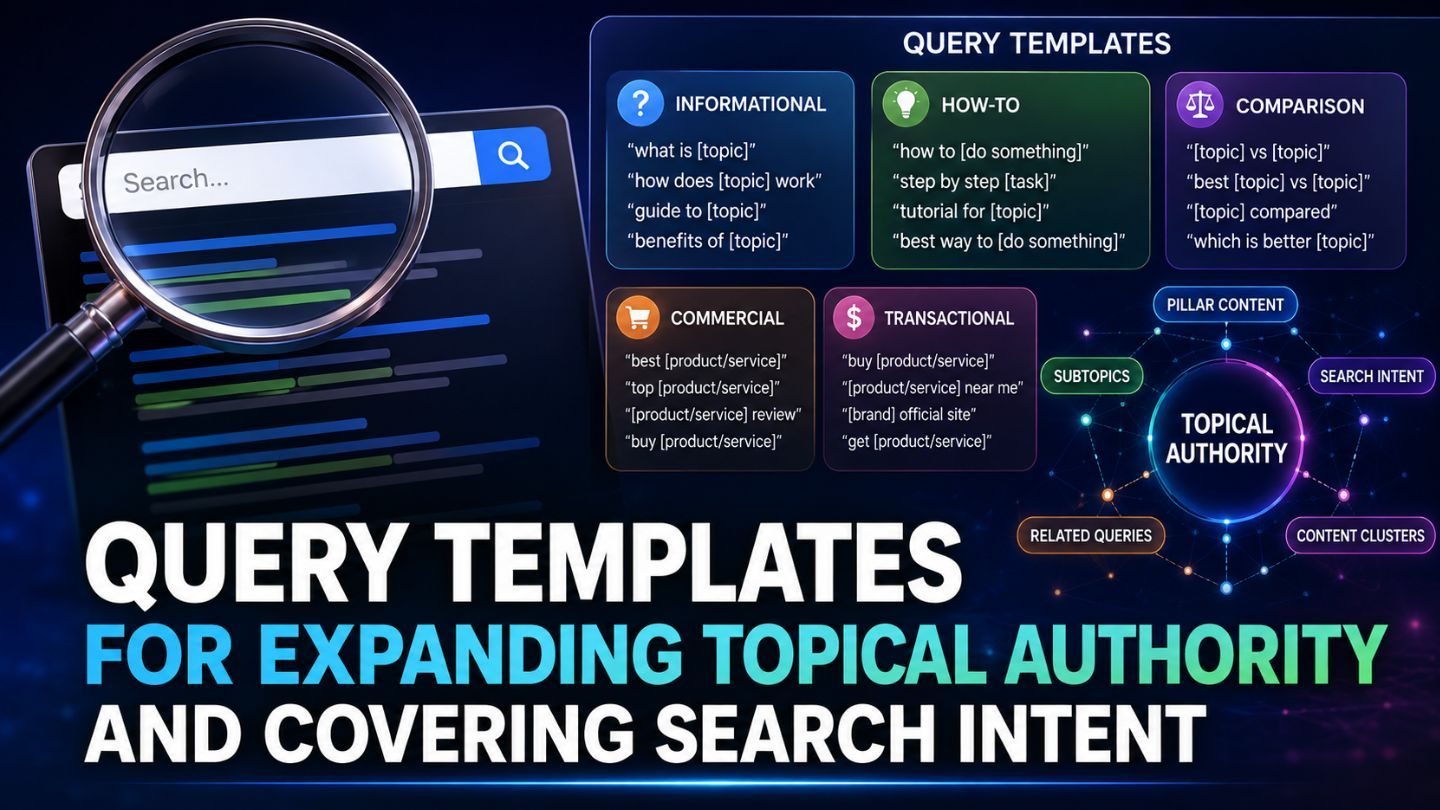
It also means being more selective about when to use the format at all. A listicle for a topic that genuinely suits a list, and that carries real depth, is a strong choice. A listicle forced onto a topic because lists get clicks was always weak and is now weaker. Matching the format to genuine intent, and backing it with substance, is the adaptation that connects to how query templates build topical authority.
The Bottom-Funnel Advantage
Listicles tied to a decision hold up better than purely informational ones, for the same reason all decision-stage content does: a summary cannot finish the job when someone is choosing between options they intend to act on. A well-built comparison list that helps someone decide what to buy or use retains its value even as informational lists get absorbed into answers.
This suggests where to focus listicle effort as the landscape shifts. Lists that help people decide, compare, or act are more defensible than lists that merely inform, because the informational layer is what AI summaries handle and the decision layer is what they cannot. Weighting your listicle production toward the decision end of the funnel is a reasonable strategic response. It helps to map that against how intent changes across buying stages so the list meets people where they actually are.
What to Actually Do
For existing thin listicles, the choice is to deepen them into something worth clicking or to accept that their traffic is genuinely at risk and prioritize accordingly. For new ones, the standard is higher: real depth, genuine expertise, decision-stage relevance where possible, and honest matching of format to intent. The format is a tool, and the change simply means it has to be used well rather than lazily.
None of this is a reason to panic or to swear off lists. It is a reason to hold them to the standard good content was always supposed to meet, which is a healthy correction rather than a crisis. The listicles worth keeping were never the thin ones anyway, and the shift mostly clarifies which is which.
Auditing Your Existing Listicles
The practical starting point is looking honestly at the listicles you already have and sorting them by how exposed they are. The thin ones, where a summary would give the reader everything, are where traffic is genuinely at risk and where a decision has to be made about deepening them or letting them go. The substantive ones are more defensible and may need little.
This audit is worth doing before the traffic actually drops rather than after, because a decaying listicle is easier to strengthen while it still holds some authority. Catching the exposed ones early, and deciding deliberately which to invest in and which to retire, is far better than watching them decline and reacting once the damage is done. The audit turns a vague worry into a specific, actionable list.
Read More: Content Pruning: How Deleting Pages Can Boost Your SEO Rankings
Combining Formats Rather Than Choosing One

The response to listicles losing some ground does not have to be swapping the format for another one wholesale. Often the strongest approach combines the scannable list structure people like with the depth that makes it defensible, and adds elements a summary cannot replace- original analysis, genuine expertise, decision-stage guidance- within the list itself.
This hybrid keeps the accessibility that makes lists appealing while building in the substance that protects them from being summarized away. A list where each item carries real depth, framed by genuine analysis, serves the reader who wants to scan and the one who wants detail, and it holds up against AI answers in a way a thin list does not. The format survives by getting better, not by being abandoned.
Keeping the Format Where It Still Works
Listicles are not losing visibility as a format; thin listicles are, and the difference is everything. AI answers absorb shallow informational lists that could always have been a summary, while listicles built on genuine depth, expertise, and decision-stage relevance still earn the click because the summary cannot replace them. The response is not to abandon the format but to stop writing the empty version of it, match it to real intent, and give every item the substance that makes reading the full piece worthwhile.
At The Ocean Marketing, we combine SEO strategy with Content Writing that holds up as search behaviour shifts. Whether you need help deepening content that has become vulnerable, choosing formats that still earn traffic, or a free SEO audit to see where your content stands, our team can help. Contact us and let's work out which of your content is actually at risk.