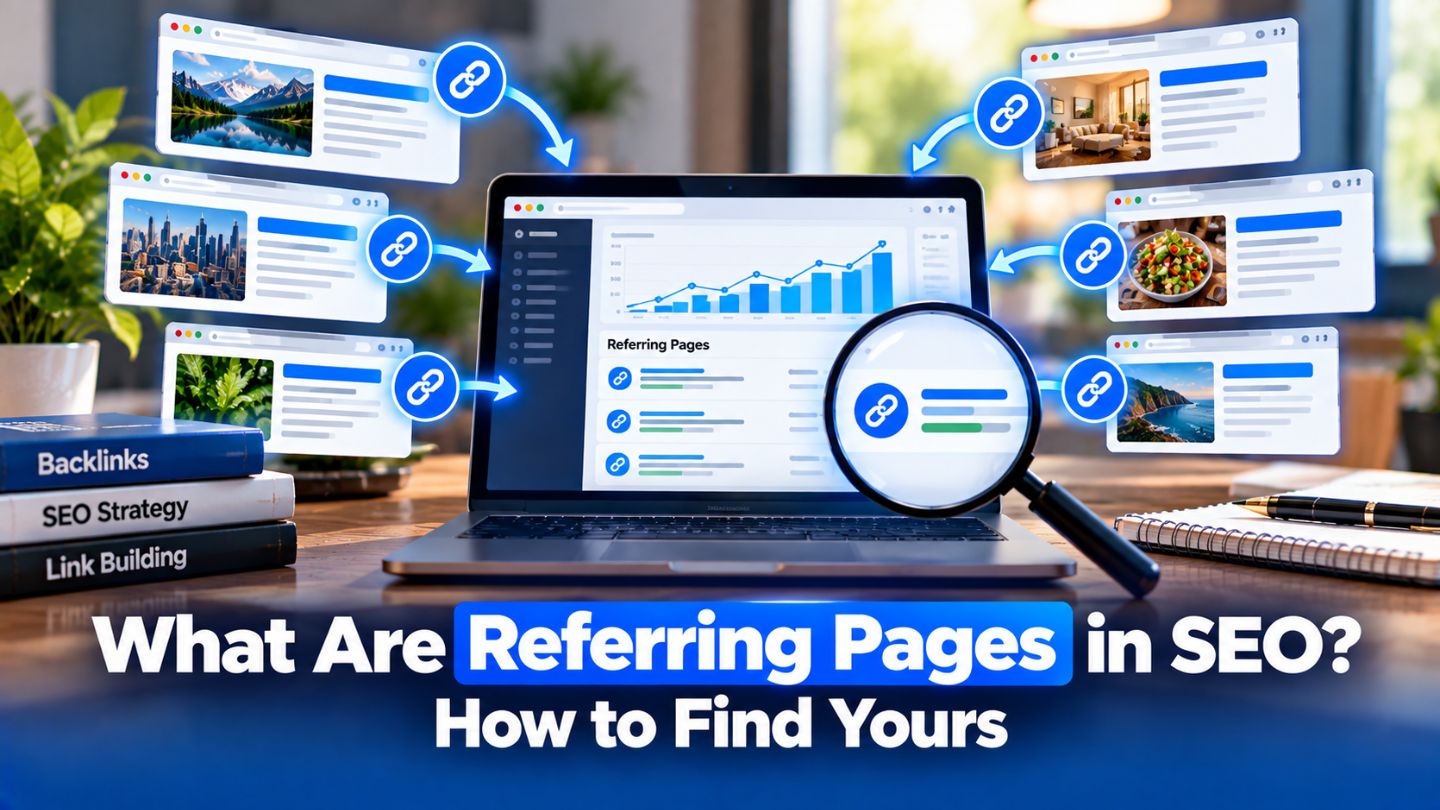

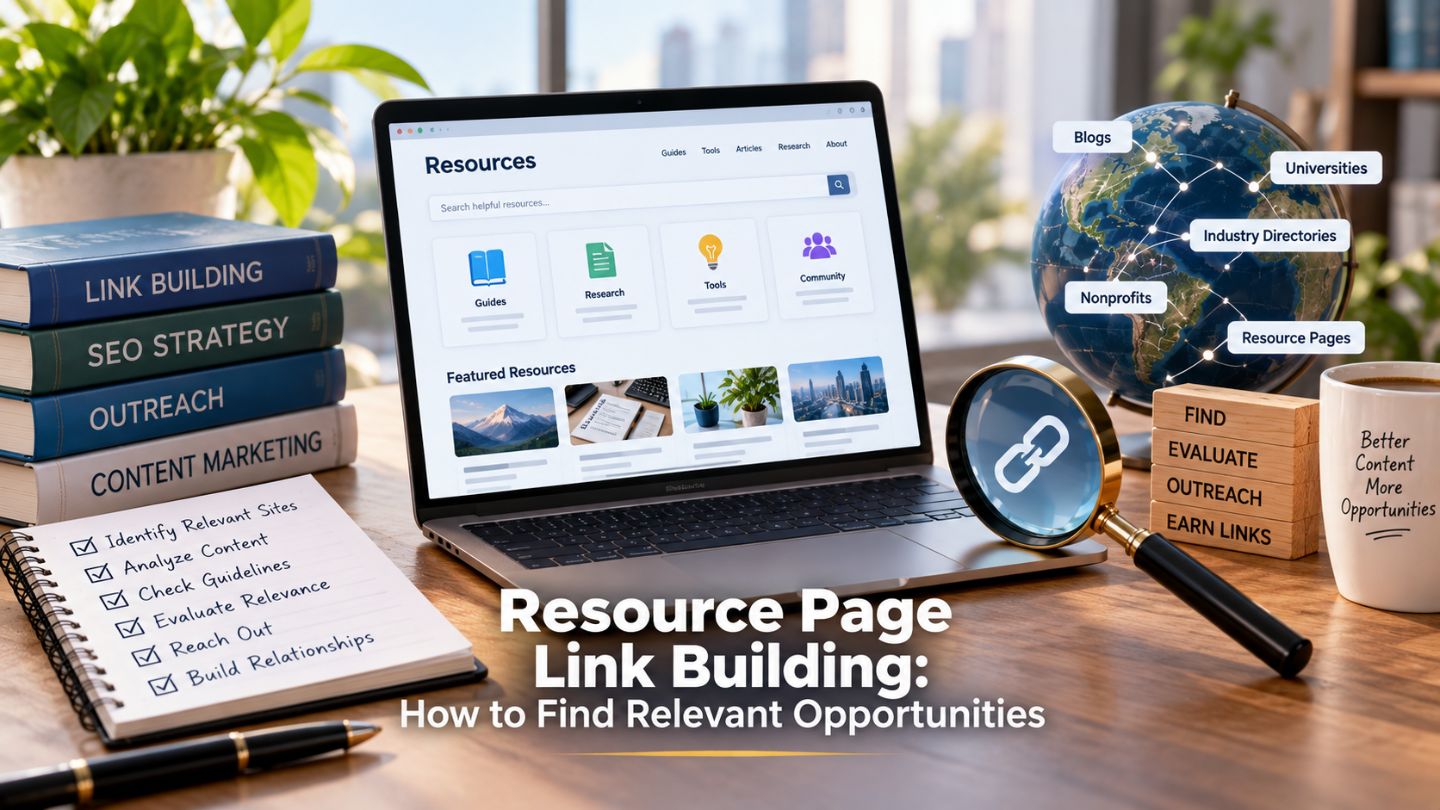
Resource pages are one of the few places on the web where someone is actively looking for things to link to, which makes them unusually receptive compared to almost any other outreach target. The difficulty is finding the ones that are genuinely maintained and worth adding once you have. This blog covers how to find real opportunities efficiently, how to judge which are worth pursuing, and how to approach them without sounding like the fifty other requests they received this month.
Key Takeaways
- Resource pages exist to link out, which removes the usual objection.
- Search operators are one of the quickest ways to uncover obvious resource-page opportunities directly.
- Maintenance and relevance should be prioritized alongside authority when judging whether a resource page is worth pursuing.
- Broken links on a resource page are the strongest opening available.
- A genuinely useful guide, tool, dataset, or other resource is usually easier to place than a generic homepage or service page.
Why These Pages Are Receptive
Most link outreach fails because you are asking someone to do something they had no intention of doing. A resource page inverts that: the page exists specifically to point readers toward useful things, so adding a genuinely useful thing serves the page owner's own purpose rather than imposing on it.
That does not make it automatic. The bar is that your resource is actually worth including, and most requests fail because the sender is pitching a homepage or a thin service page rather than something that belongs on a curated list. The receptiveness is real, and it is conditional.
Finding Them Efficiently
Search operators do this faster than any tool. Combining your topic with phrases these pages typically use- resources, useful links, recommended reading, helpful tools- surfaces them directly. Adding an inurl or intitle constraint on the same terms narrows it further.
Beyond direct search, look at where similar resources already get listed. If a comparable guide or tool in your space is being cited on resource pages, those same pages are plausible targets for you. Using link intersect to see where competitors are being listed surfaces this pattern quickly and produces a much warmer list than raw search alone.
Where These Pages Tend to Live

Certain categories maintain resource lists far more reliably than others: educational institutions, industry associations, nonprofits, libraries, and enthusiast communities. Those sectors have a genuine reason to curate and often assign someone to keep the list current.
Commercial blogs maintain them less consistently, which is why a list on a company site is frequently abandoned within a year of publication. Prioritizing the categories with a structural reason to maintain their pages produces a much better hit rate than working through search results indiscriminately. It is also worth being clear on where a curated list sits against editorial and directory links, since the two are judged very differently.
Judging Which Are Worth Pursuing
Domain authority is the wrong first filter. What matters more is whether the page is maintained: check when it was last updated, whether the existing links still work, and whether the list reflects anything from the past two years. An abandoned resource page passes little and rarely gets edited.
Relevance is the second filter, and it should be strict. A general resource page listing 200 links across unrelated subjects is close to a directory, and adding to it achieves little. A tightly focused page maintained by someone who genuinely knows the subject is worth considerably more, even on a smaller domain. This is the same standard used to recognize genuinely high-quality backlinks.
Check the Outbound Links Work
A page with several dead links tells you two things: it is not closely maintained, and you have a legitimate reason to make contact. That second point is the most useful opening in this entire tactic.
Read More: Link Reclamation: How to Find, Fix & Recover Lost Backlinks
Making It Easy to Say Yes
Page owners updating a list are doing a small chore, and anything that reduces the effort improves your odds. Supplying the exact URL, a one-line description in the style the page already uses, and the specific section it belongs in removes every decision they would otherwise have to make.
This sounds trivial, and it is frequently the difference between a reply and silence. A request that requires the recipient to visit your site, work out what it is, and write their own description is asking for ten minutes rather than one.
Broken Links Are Your Best Opening
Finding a dead link on a resource page turns your outreach from a request into a favor. You are telling someone their page has a problem and offering a fix, which is a fundamentally different conversation than asking to be added.
The approach only works if your replacement genuinely covers what the dead link covered. Suggesting your unrelated service page as a substitute for a broken technical guide is transparent and gets ignored. Where the match is real, the response rate is dramatically better than standard outreach, and it overlaps with the discipline of finding and recovering broken links more generally.
Keeping Track of Who You Have Contacted
Resource page outreach at any scale requires a record, since contacting the same page twice about the same resource is the fastest way to be ignored permanently. A simple log of page, date, outcome, and any reply is enough.
That record also reveals the pattern over time: which categories respond, which openings work, and roughly how many contacts a placement costs. Without it, you are repeating the same guesses indefinitely and calling the result a strategy.
Having Something Worth Listing
The uncomfortable part is that most businesses have nothing appropriate. Resource pages list guides, tools, data, and references, not company homepages or service descriptions. If your best candidate is a service page, the request will fail regardless of how well written it is.
This means the work often starts before outreach: building one genuinely useful, freely accessible resource that belongs on such a list. A thorough guide, a calculator, a dataset, a template. That asset then supports every subsequent request, which is a far better position than repeatedly pitching something that does not fit. Building original research worth citing is the most reliable way to produce that asset.
Writing the Request
Short, specific, and clearly written by someone who looked at the page. Name the page, mention where your resource would fit and why it helps their readers, provide the URL, and stop. Anything longer reads as a template with details inserted.
Skip the flattery, skip the explanation of what links do for you, and do not follow up more than once. Page owners who maintain these lists receive a lot of requests and can distinguish a genuine fit from a form letter in about four seconds, so the only thing that meaningfully improves your odds is the fit itself.
Revisiting Pages That Said No
A refusal is often a timing problem rather than a permanent one. A page owner who declined because your resource was thin at the time may reconsider once it has been substantially improved, and pages get new maintainers who curate differently.
Waiting a reasonable period, six months or more, and returning only when something has genuinely changed is fair and occasionally works. Returning with the same resource and a more insistent tone does not, and it closes the door on any future attempt.
How This Fits Alongside Other Link Work

Resource pages are a finite pool. There are only so many maintained, relevant lists in any given subject, and once you have worked through them, the channel largely stops producing regardless of how good your outreach is.
That makes it worth treating as one component rather than a strategy. Working the available pages properly, then shifting effort toward earning citations and mentions that generate links without outreach, is a more sustainable sequence than trying to extract more from a pool that has been exhausted.
Read More: How to Build Links Without Outreach Emails
Working a Channel That Still Responds
Resource page link building remains effective because it approaches people who are already looking for things to link to. The work is in finding pages that are genuinely maintained, checking their outbound links for the broken ones that give you a real reason to write, and having a resource that actually belongs on a curated list rather than a service page you hoped would pass. Get those right, and the response rate is far better than almost any other outreach available.
At The Ocean Marketing, we build link-building programs around opportunities that genuinely convert rather than volume that fills a report. Whether you need help finding relevant resource pages, building an asset worth listing, or a free SEO audit to see where your link profile stands, our team can help. Contact us and let's find the opportunities that are actually open to you.