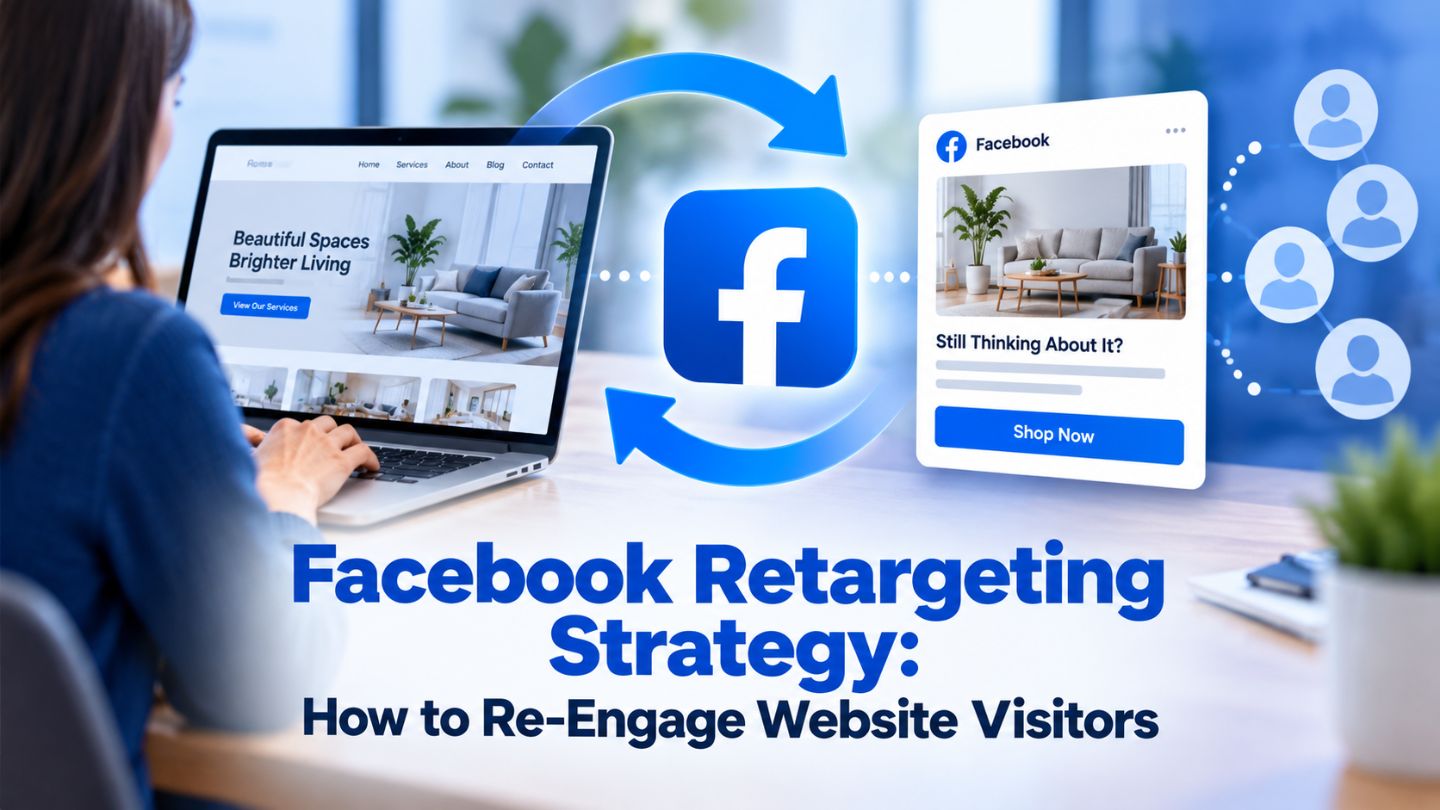
Most website visitors leave without doing anything, and the majority were never going to convert on a first visit regardless of how good the page was. Retargeting exists to reach the smaller group who showed genuine interest and simply were not ready yet. Done well it is one of the most efficient things you can run; done carelessly it follows people around with the same ad until they resent the brand. This blog covers how to build retargeting that re-engages rather than annoys, and where it stops working.
Key Takeaways
- Retargeting reaches people who already showed interest, not cold audiences.
- Segmenting by what visitors actually did beats one broad audience.
- Frequency caps prevent re-engagement from becoming irritation.
- The message should match where someone dropped off, not restart the pitch.
- Exclusions matter as much as inclusions, especially past converters.
Why Retargeting Works When It Works
A cold audience has never heard of you, so the ad is doing introduction, persuasion, and conversion all at once. A retargeting audience already visited, already showed some intent, and often left for reasons that had nothing to do with your offer, a distraction, a price check, a plan to come back later. Reaching them again removes the hardest part of the job, which is earning initial attention.
That is why retargeting typically shows stronger efficiency than cold campaigns. You are not convincing a stranger, you are reminding someone who was already interested. The mistake is treating that warm audience the same way you would treat a cold one, with a generic introductory message that ignores everything they already did on your site, which is a different challenge from why Facebook community posts get more organic reach but rooted in the same need for relevance.
Segmenting by Behaviour, Not Just Visits
Lumping every visitor into one retargeting audience wastes the biggest advantage the channel offers. Someone who viewed a product is in a different place than someone who added it to a cart and left, who is different again from someone who read three blog posts but never looked at anything commercial. Each deserves a different message.
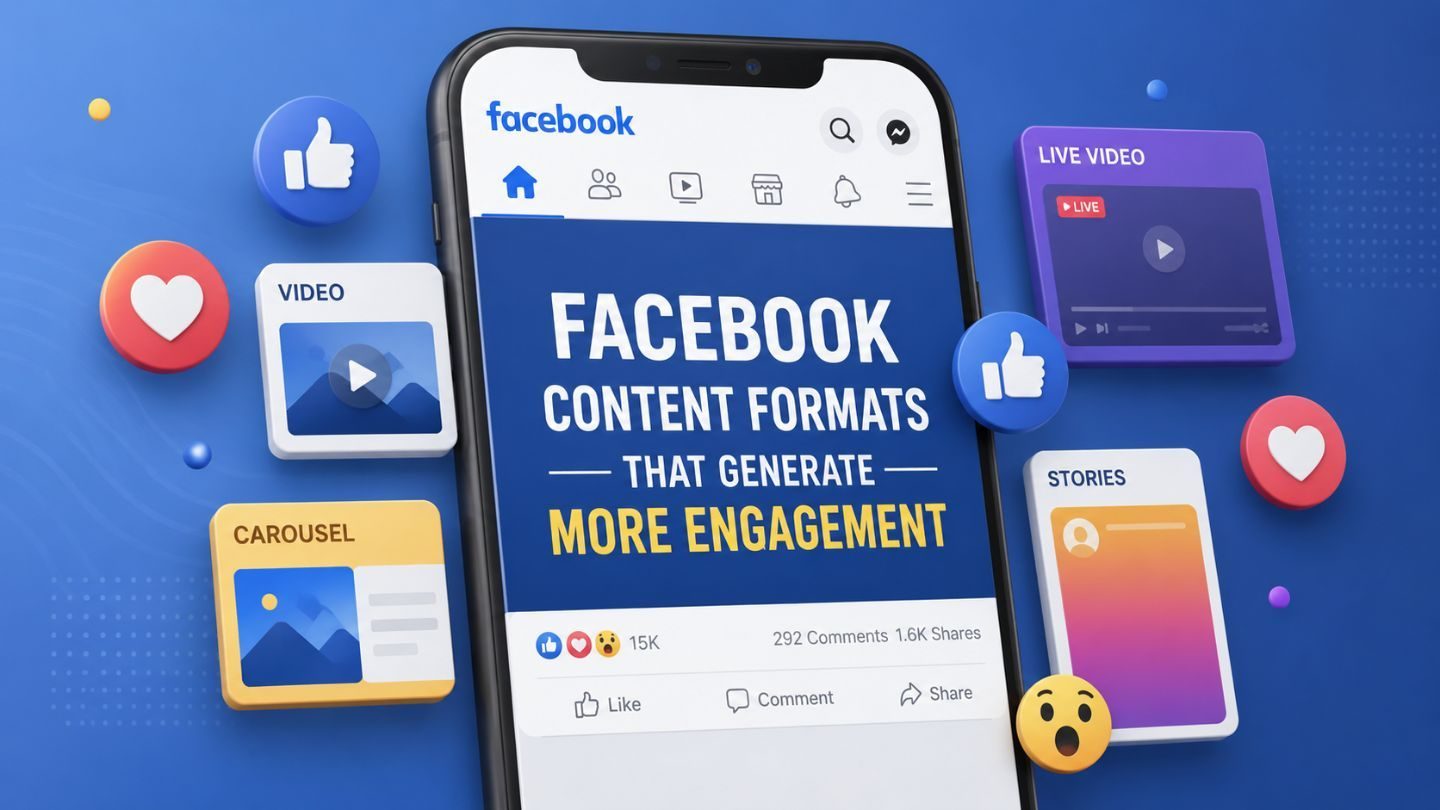
Building audiences around specific actions, page views, cart additions, time on site, lets the ad speak to where the person actually is. A cart abandoner needs a reason to finish, not an introduction to the product they already chose. This behavioral precision separates retargeting that converts from retargeting that just accumulates impressions, and it connects to the same logic behind the best Facebook content formats to boost engagement.
Recency Changes Everything
Someone who visited yesterday is a far warmer prospect than someone who visited two months ago. Segmenting by how recently they engaged, and adjusting spend accordingly, usually matters more than any creative tweak.
Read More: How Search Intent Changes During Different Buying Stages
The Frequency Problem

The fastest way to turn retargeting from useful to damaging is showing the same ad too many times. There is a threshold past which reminding becomes pestering, and crossing it does not just waste budget, it builds resentment toward the brand that outlasts the campaign. People remember being followed around the internet.
Frequency caps are the direct fix, limiting how often any one person sees your ads within a period. Rotating creative helps too, since the same message repeated feels more intrusive than varied messages covering different angles. The goal is presence, not saturation, and most accounts set their caps too loose because the immediate cost of over-showing is invisible in the metrics.
Matching Message to Drop-Off Point
The most common retargeting failure is restarting the sales pitch from the beginning, as though the person never visited. Someone who abandoned a cart does not need to be told what the product is, they need a reason to complete, whether that is reassurance, a reminder, or addressing whatever hesitation stopped them.
Mapping message to where someone dropped off makes the ad feel like a continuation rather than a repeat. A blog reader might get an invitation to go deeper; a product viewer might get social proof; a cart abandoner might get a straightforward nudge. This is the same discipline as creating social media graphics that drive higher engagement, the relevance is what does the work.
Exclusions Are Half the Strategy
Retargeting people who already converted is one of the most common and most wasteful mistakes in the channel. You pay to re-acquire someone who already bought, and you clutter their experience with an ad for something they no longer need. Excluding recent converters is a basic setting that a surprising number of accounts skip.
The same logic extends further. Exclude people who have visited too many times without converting, since continuing to spend on them past a point rarely pays off. Exclude audiences that never fit your offer. Getting exclusions right frees budget for the warm prospects who are genuinely worth reaching, which is the entire point of the channel.
Read More: Audience Exclusions: The Most Overlooked PPC Optimization
Where Retargeting Stops Helping
Retargeting cannot fix a weak offer or a broken page. If people are leaving because the product does not appeal or the checkout is frustrating, following them with ads just spends money reminding them of something they already decided against. The channel amplifies interest that exists; it does not manufacture interest that does not. If the page itself is the obstacle, landing page experience is the thing to fix before spending more on reach.
It also has a ceiling set by the size of your warm audience. A site with little traffic has few people to retarget, so the channel scales with the top of your funnel rather than independently of it. Treating retargeting as a way to grow, rather than a way to convert existing interest more efficiently, leads to disappointment when the audience simply is not large enough.
Timing the Window After a Visit
How soon you retarget after a visit matters as much as who you retarget. Someone who left five minutes ago is in a very different frame of mind than someone who left three weeks ago, and treating both the same wastes the freshness of recent intent. Recent visitors are worth reaching quickly, while older ones may need a different message or may no longer be worth the spend at all.
This argues for building retargeting windows that reflect how your customers actually decide. A business with a short decision cycle should concentrate on recent visitors, while one with a longer consideration period can retarget over a wider window. Matching the timing to the real buying rhythm, rather than applying a single generic window, keeps the spend focused on people whose intent is still live.
Refreshing Creative Before It Wears Out

Even a well-targeted retargeting campaign loses effectiveness as the same audience sees the same creative repeatedly. What felt like a helpful reminder the first time becomes wallpaper by the tenth, and eventually becomes an irritation. Creative fatigue is a real and measurable decline, and campaigns that run the same ad indefinitely watch their performance erode without an obvious cause.
The fix is rotating and refreshing creative on a regular schedule, so the audience encounters variety rather than repetition. Different angles, different formats, and different messages covering the same offer keep the campaign feeling current rather than stale. This is ongoing maintenance rather than a one-time setup, and skipping it is why many retargeting campaigns quietly decline months after they were launched successfully. Varying the format helps as much as varying the message, which is the case for motion versus static creative.
Re-Engaging Without Wearing People Out
Facebook retargeting is efficient because it reaches people who already showed interest, and it becomes counterproductive the moment it stops respecting that. Segment by what visitors actually did, cap frequency so reminding never becomes pestering, match the message to where someone dropped off, and exclude the people who already converted or never fit. Do those things and retargeting quietly closes a share of business you would otherwise have lost; skip them and it becomes the reason people mute your brand.
At The Ocean Marketing, we build Social Media Marketing that re-engages the right people without exhausting them. Whether you need help structuring retargeting audiences, fixing campaigns that have started to annoy rather than convert, or a free SEO audit to see how your wider presence performs, our team can help. Contact us and let's turn your lost visitors into a channel that actually works.