
Most design work responds to problems that already exist. Users struggle with a checkout page, so it gets simplified. A menu confuses visitors, so it gets restructured. Speculative design flips that approach by asking what people might need years from now, before those needs become obvious. It gives teams room to question assumptions, imagine new technologies, and prepare for change instead of reacting to it. In this blog, we'll discuss what speculative design is, how designers use it to investigate future user needs, and where it fits alongside everyday design work.
Key Takeaways
- Speculative design imagines possible futures to uncover needs before they appear.
- It focuses on questions and conversations rather than finished products.
- Scenarios, concept prototypes, and signal research are its core tools.
- It works best alongside user research, not as a replacement for it.
- Responsible speculation considers ethics, accessibility, and unintended effects.
What Speculative Design Actually Means
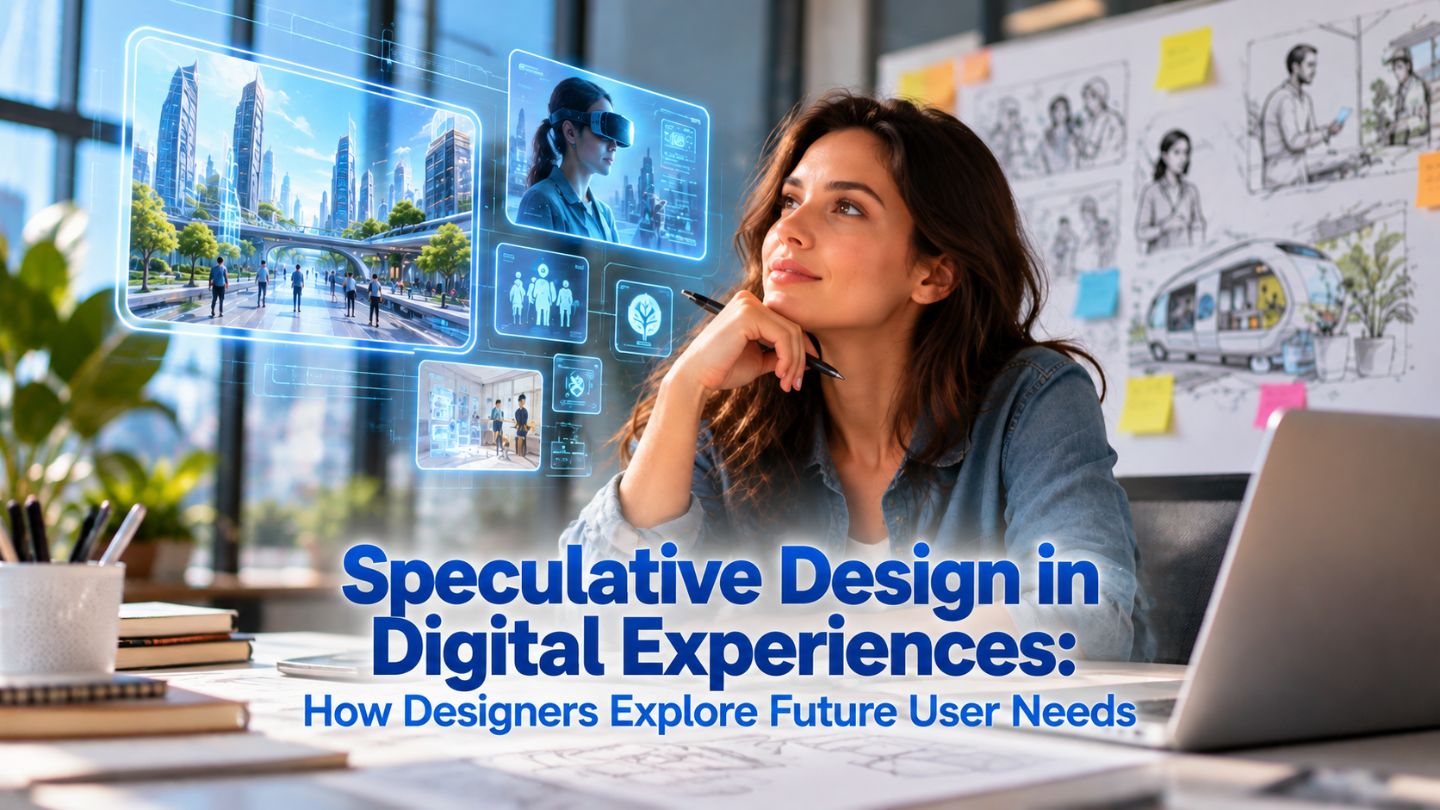
Speculative design is a way of using design to think about the future. Instead of solving a clearly defined problem with a polished solution, designers create scenarios, objects, or interfaces that show what life might look like under different conditions. These concepts are not meant to be built tomorrow. They exist to spark discussion about what people might want, fear, or need as technology, culture, and society continue to shift.
In digital experiences, that might mean imagining how people will interact with interfaces that respond to voice, gesture, or emotion, or how privacy expectations might change as more devices collect personal data. The value lies less in predicting the future correctly and more in widening the range of possibilities a team considers. When designers consider several futures, they are better prepared for whichever one actually arrives.
How Speculative Design Differs From Traditional UX
Traditional user experience design is grounded in present behavior. Designers research current users, identify friction, and refine solutions through testing. That approach is essential for building products people can use today, but it naturally focuses on what already exists. It is less suited to questions about needs that users cannot describe yet, simply because the context that will create those needs has not arrived.
Speculative design complements that work by stepping further ahead. Where usability testing asks whether something works, speculation asks whether it should exist and what it might change. Speculative thinking cuts across the difference between UI and UX, challenging the assumptions behind both the visual interface and the overall experience before decisions become locked in.
Methods Designers Use to Map Out Future Needs
Speculative design relies on a handful of practical methods. Future scenarios describe a plausible situation, such as a world where most shopping happens through AI assistants, and examine how people might feel and behave within it. Signal research gathers early hints of change, including emerging technologies, shifting habits, and new regulations, then imagines where those hints could lead over the next several years.
Concept prototypes bring those ideas to life. A mock interface, a fictional product page, or a short video showing a future interaction makes abstract ideas tangible enough to discuss. Workshops then invite stakeholders and users to react, question, and build on these concepts. The conversations that follow often reveal values and concerns that traditional research might never bring to the surface.
Common Speculative Design Tools
- Future scenarios and user stories set years ahead.
- Design fiction, such as mock products or interfaces.
- Trend and signal mapping.
- Co-creation workshops with users and stakeholders.
Read More: How Heatmaps Help Improve Website Design Decisions
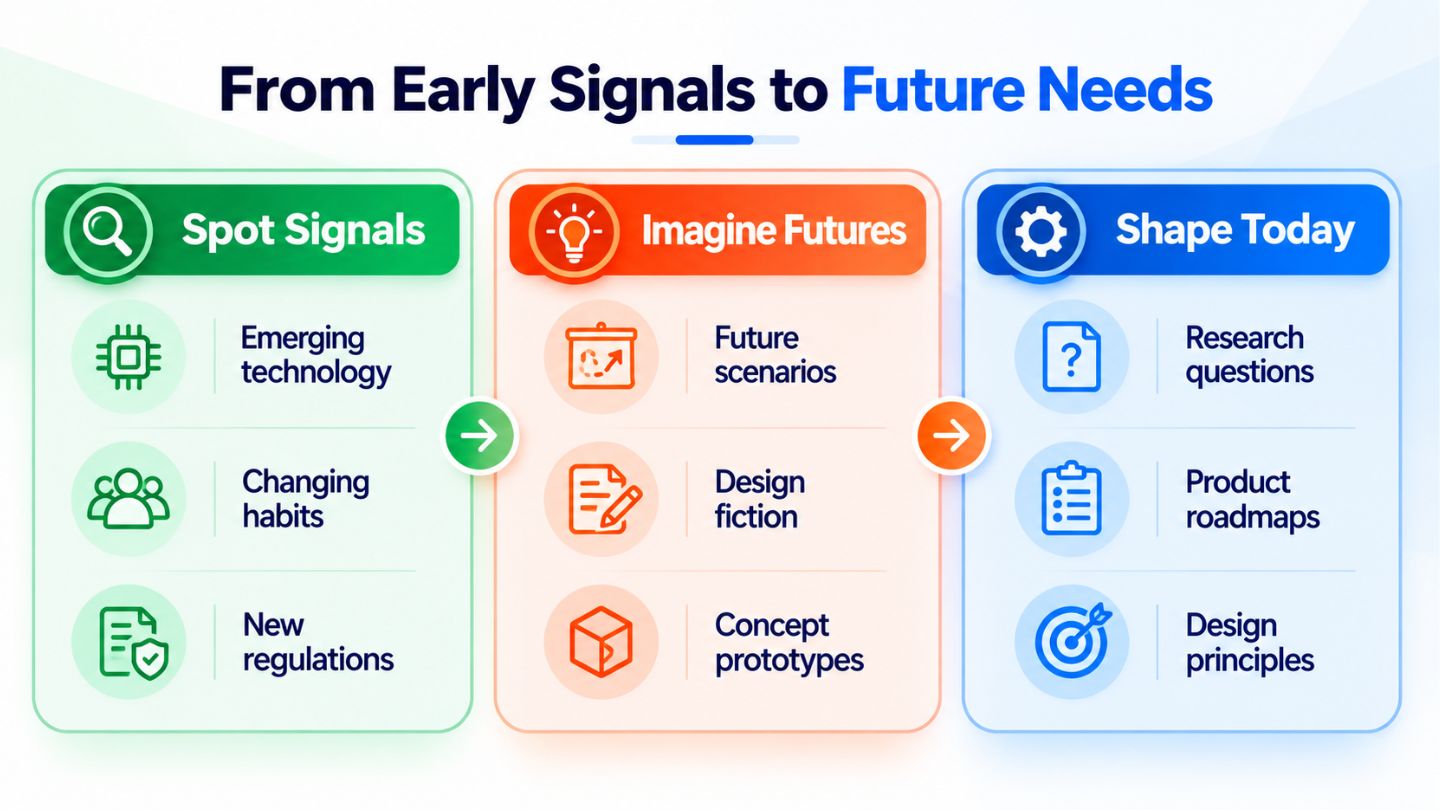
Speculative design turns early signals into future scenarios that inform decisions made today.
Where Speculative Design Meets Everyday Digital Products
Speculative thinking is not limited to research labs. Many features people use every day began as speculative ideas, from voice assistants to personalized feeds to smart home controls. Businesses can apply the same thinking on a smaller scale by asking how customer expectations might change over the next few years and what that could mean for their website, app, or overall brand experience.
Artificial intelligence is one of the clearest examples right now. Designers are already imagining how interfaces might adapt to individual users in real time, or how AI tools might reshape the design process itself. Questions around Claude website design and the future of AI-assisted UX design show how quickly speculative ideas about AI are turning into practical decisions that teams need to make today.
Read More: Content Personalization: What It Is & How to Do It
Keeping Speculation Responsible and Human-Centered
Imagining the future comes with responsibility. Speculative concepts can reveal exciting possibilities, but they can also expose risks such as privacy concerns, digital exclusion, or technology that encourages unhealthy habits. Good speculative design makes these risks visible on purpose, so teams can talk them through openly before any product reaches real users and before costly commitments are made.
Inclusion should be part of every future scenario. Asking how older users, people with disabilities, or those with limited internet access might experience a future product helps prevent designs that only work for a narrow group. The principles behind accessibility in graphic design apply just as strongly to future concepts, reminding teams that innovation should widen access rather than narrow it.
The Role of Visual Storytelling in Speculative Work
Speculative ideas only spark useful conversations when people can understand them quickly. That is where visual storytelling becomes essential. Storyboards, illustrated scenarios, mock screens, and short animations turn abstract possibilities into something stakeholders can react to in seconds. A well-crafted visual can communicate a future scenario far more effectively than several pages of written description, especially when the audience includes people from outside the design team.
The quality of these visuals shapes the quality of the discussion. Rough sketches invite open feedback and experimentation, while polished concepts can make an idea feel more real and help leaders imagine its impact. Many teams use both, starting loose and refining the strongest ideas. Either way, thoughtful visual choices about color, typography, and layout help future concepts feel believable without pretending to be finished products. The same principles of visual hierarchy decide what a viewer takes in first.
Measuring the Value of Speculative Design
Because speculative design does not produce a finished product, its value can feel hard to measure. The most useful signs are the decisions it influences. Did a scenario workshop change a product roadmap, highlight a risk the team had not considered, or inspire a feature that customers later embraced? Tracking these outcomes over time shows how forward-looking work feeds into everyday results.
It also helps to revisit past scenarios once a year. Comparing earlier predictions with what actually happened sharpens a team's ability to read signals and imagine realistic futures. Even when the scenarios miss the mark, the process builds a habit of asking bigger questions, which keeps digital experiences more adaptable and better prepared for change.
Bringing Speculative Thinking Into Your Design Process
Teams do not need a dedicated futures department to benefit from speculative design. A quarterly workshop, a short scenario exercise during project kickoff, or a moodboard of future possibilities can bring fresh thinking into ordinary projects. The goal is to create space for the bigger questions that day-to-day deadlines usually crowd out, without slowing down the work that needs to ship now.
The insights should then feed back into practical work. A speculative session might reveal that customers will expect more control over their data, which could shape a privacy-friendly feature today. It might highlight a shift toward voice interaction, prompting teams to structure content so it works beyond the screen. Small, forward-looking adjustments like these keep digital experiences relevant for much longer. Preparing for that shift starts with voice search SEO and ranking for conversational queries.
Designing With Tomorrow's Users in Mind
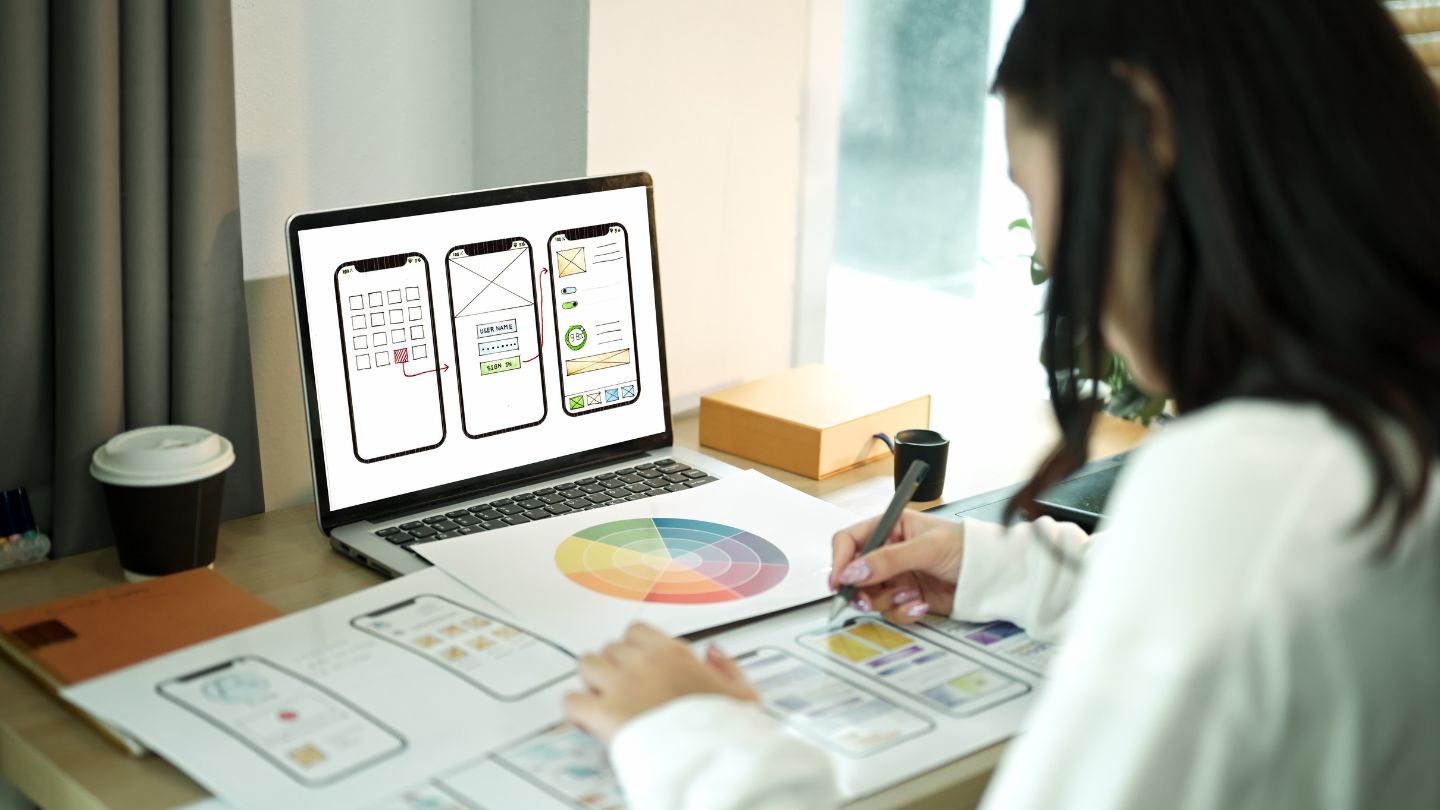
Speculative design gives teams a structured way to think beyond current problems and imagine how user needs might evolve. Through scenarios, prototypes, signal research, and open discussion, it uncovers questions that traditional research often misses. Used alongside user-centered methods and guided by ethics and inclusion, it helps businesses build digital experiences that stay meaningful as technology and expectations keep changing.
At The Ocean Marketing, we create visuals and digital experiences that balance present-day usability with fresh, forward-looking ideas. Our Graphic Design Services bring brands to life across websites, campaigns, and social channels, and a free SEO audit can show how well your current site supports the people visiting it. Contact us to talk about designing for where your audience is heading next.
Frequently Asked Questions
What is the goal of speculative design?
The goal is to imagine possible futures and spark discussion about what people might need, want, or worry about. It focuses on asking better questions rather than delivering finished products.
Is speculative design the same as forecasting?
Not exactly. Forecasting tries to predict what will happen, while speculative design uses design concepts to picture many possible futures and examine how each might affect people.
How can small businesses use speculative design?
Simple scenario workshops or discussions about how customer expectations may change can guide decisions on features, content, and branding without needing a large research budget.