
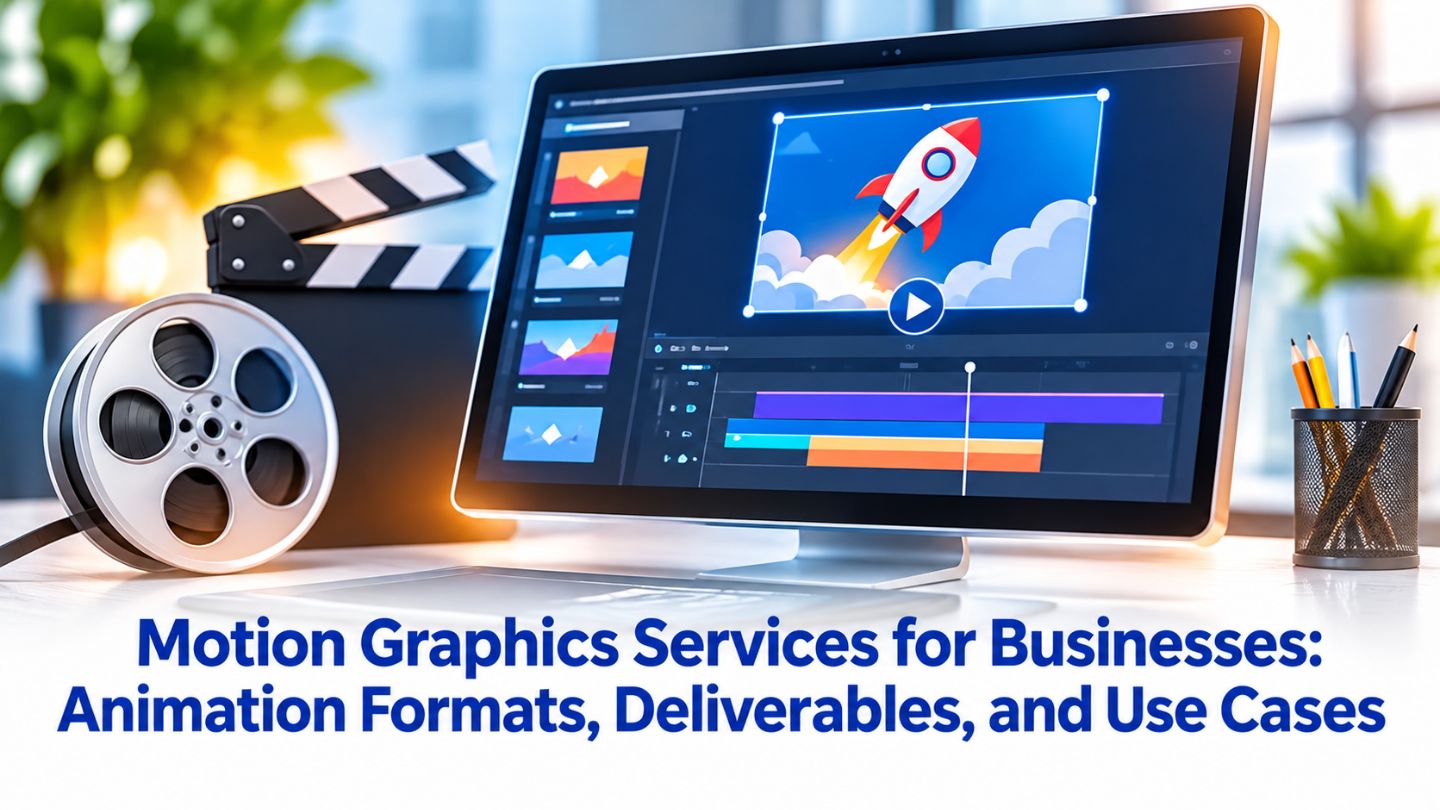
Attention is hard to win online, and motion is one of the fastest ways to earn it. A short animated clip can explain a product, highlight an offer, or bring a logo to life in a few seconds, often more clearly than a block of text or a static image. But motion graphics cover a wide range of formats, and choosing the right one can feel confusing. This blog outlines the most common motion graphics formats, the deliverables businesses should expect, and the use cases where animation adds the most value.
Key Takeaways
- Motion graphics use animated text, shapes, and illustrations to communicate ideas.
- Common formats include explainer videos, animated logos, social clips, and web animations.
- Deliverables should match each platform's size, length, and file requirements.
- Clear goals and scripts make animation projects faster and more effective.
- Consistent branding keeps motion content recognizable across channels.
What Motion Graphics Are and Why They Work
Motion graphics are animated designs built from text, shapes, icons, illustrations, and sometimes video footage. Unlike full character animation, they focus on communicating information clearly, such as showing how a process works, highlighting key numbers, or guiding the eye through a message. They sit at the meeting point of graphic design and animation, which makes them useful for both marketing and education.
Movement naturally draws the eye, which helps content stand out in busy feeds and on crowded web pages. Motion also explains complex ideas step by step, making them easier to understand and remember. Comparisons of motion graphics and static graphics for social media engagement show why many brands now mix both, saving motion for moments where attention and explanation matter most.
Common Motion Graphics Formats
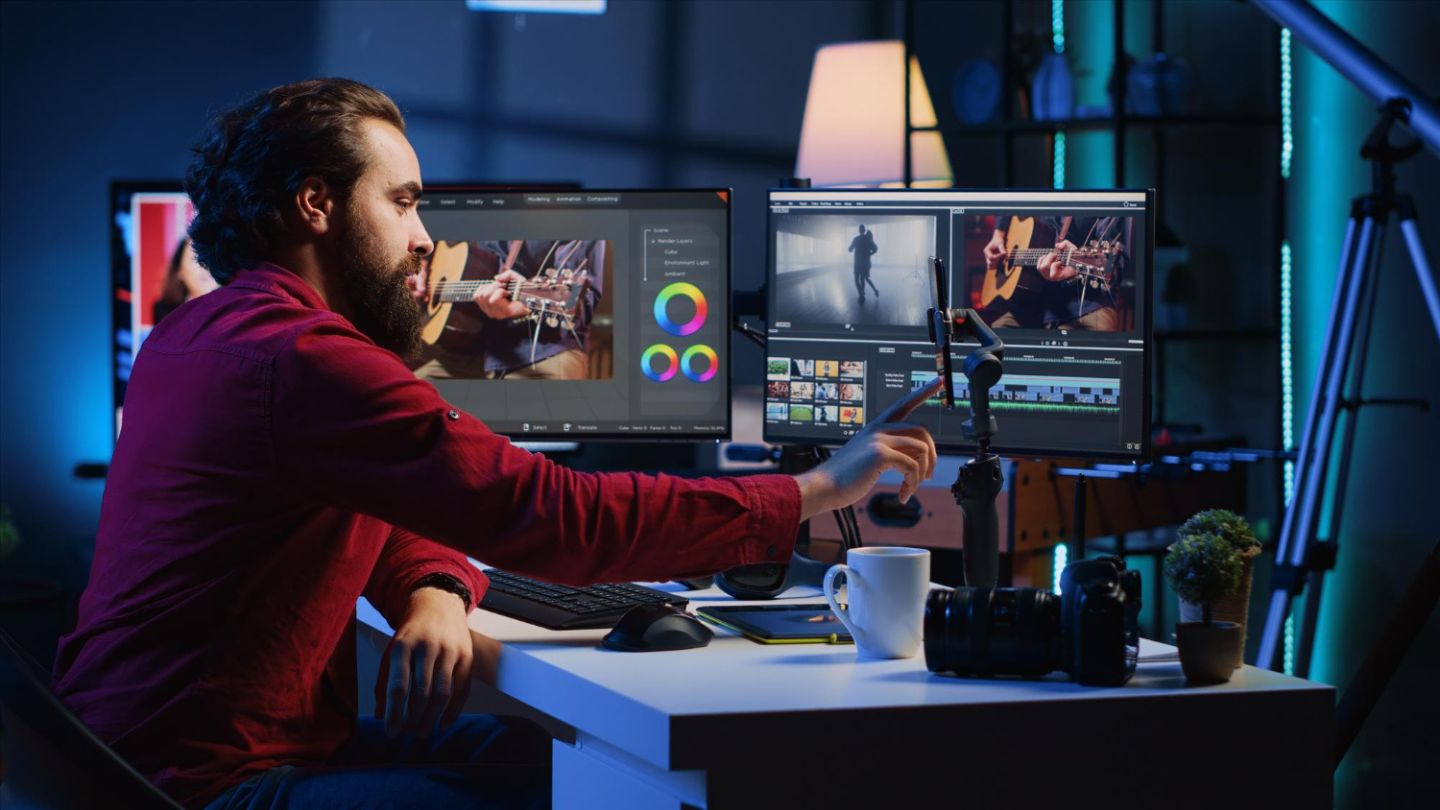
Explainer videos are among the most popular formats, typically running 60 to 90 seconds and walking viewers through a product, service, or process. Animated logos give brands a polished intro or outro for videos and presentations. Kinetic typography, where animated text carries the message, works well for quotes, announcements, and short promotional pieces that need to land quickly.
Smaller formats are just as useful. Social media clips and animated ads deliver quick messages in a few seconds, animated infographics bring data to life, and lower thirds and title cards add professional polish to video content. On websites, subtle animations such as animated icons, hero section loops, and interactive elements guide visitors and make pages feel more dynamic.
Popular Formats at a Glance
- Explainer videos for products and services.
- Animated logos and brand intros.
- Short social clips and animated ads.
- Animated infographics and data visuals.
- Website animations, icons, and hero loops.
Read More: Types of Graphic Design: Why Specialization Matters
Understanding Deliverables and File Types
Motion projects usually come in more than one version. A single campaign might need a horizontal video for websites and YouTube, a vertical version for Reels and Stories, and a square cut for feeds. Each version may also need different lengths, such as a full explainer plus 15-second and 6-second edits for ads. Planning these deliverables upfront avoids costly rework later. Many of the same sizing decisions appear when designing social media graphics for each platform.
File formats depend on where the animation will live. MP4 is the standard for most video platforms, GIFs suit email and simple web uses, and lightweight formats such as Lottie files work well for website and app animations because they stay crisp at small file sizes. Length matters as well, and the question of how long an Instagram video should be for maximum retention explains why short edits often outperform longer cuts on social platforms.
The same project often needs several versions to fit each channel it will appear on.
Use Cases Where Animation Adds the Most Value
Product launches and service explanations benefit greatly from motion, since animation can show features in action, simplify complex workflows, and keep viewers engaged until the key message lands. Training and onboarding content also works well in animated form, helping employees or customers understand processes without wading through long manuals or dense documents.
Websites can use motion to improve the experience, as long as it supports rather than distracts. Thoughtful animations draw attention to calls to action and make interactions feel smoother, but heavy files can slow pages down. Using animation in web design without hurting SEO comes down to keeping files light, never hiding important content behind animation, and respecting users who prefer reduced motion.
How a Motion Graphics Project Comes Together
Brief, Script, and Storyboard
Most projects follow a clear sequence. It starts with a brief that defines the goal, audience, key message, platforms, and deadline. A script follows, especially for explainers, along with a storyboard that maps each scene visually. These early steps are where the most important decisions are made, so investing time here keeps production on track and avoids surprises later.
Design, Animation, and Delivery
Next comes design, where style frames establish colors, typography, and illustrations, followed by animation, sound design, and voiceover if needed. Review rounds at each stage catch changes early, when they are easier and cheaper to make. Final exports then deliver every version and format required, ready for each channel in the plan.
Most motion projects move through the same core stages from idea to delivery.
Keeping Motion Content On-Brand
Motion should feel like a natural extension of the brand. Colors, typography, logo usage, and illustration style should match existing guidelines, while the way elements move, whether smooth and calm or quick and energetic, can express brand personality. Many businesses create motion guidelines that define timing, transitions, and animation styles for consistency across projects.
Consistency pays off over time. When animated content looks and moves the same way across ads, social posts, and websites, audiences recognize the brand faster. The same reasons consistent brand design improves customer recognition apply to motion, turning every animated piece into a reinforcement of the brand rather than a one-off visual.
Measuring the Results of Motion Content
Motion graphics should be measured against the goal they were created for. Social clips can be judged on views, watch time, shares, and saves, while website animations are better measured through engagement, scroll depth, and conversions on the pages where they appear. Explainer videos often show their value through fewer support questions or more demo requests.
Testing helps refine future projects. Comparing an animated ad with a static version, or a short edit with a longer one, reveals what resonates with each audience. These insights guide decisions about format, length, and style, so every new animation builds on what has already worked instead of starting from guesswork.
Choosing the Right Partner for Motion Work
Not every design team works the same way, so it helps to ask the right questions before starting. Review past motion work to see whether the style fits your brand, and ask how the team handles scripts, storyboards, revisions, and final deliverables. Clear answers about timelines and the number of review rounds prevent surprises later.
Ownership and future use matter too. Confirm that you will receive the final files in every format you need, along with editable source files if you plan to update the animation later. A good partner will also suggest ways to reuse motion assets across channels, helping each project deliver more value over time.
Read More: Benefits of Graphic Design Services for Businesses
Budgeting and Timelines for Motion Projects
Motion graphics projects vary widely in scope, so setting expectations early helps. A short animated logo or a few social clips can come together quickly, while a fully scripted explainer with custom illustrations, voiceover, and multiple edits naturally takes longer. Agreeing on the number of deliverables, review rounds, and deadlines upfront keeps the project predictable.
Bringing Your Brand Message to Life
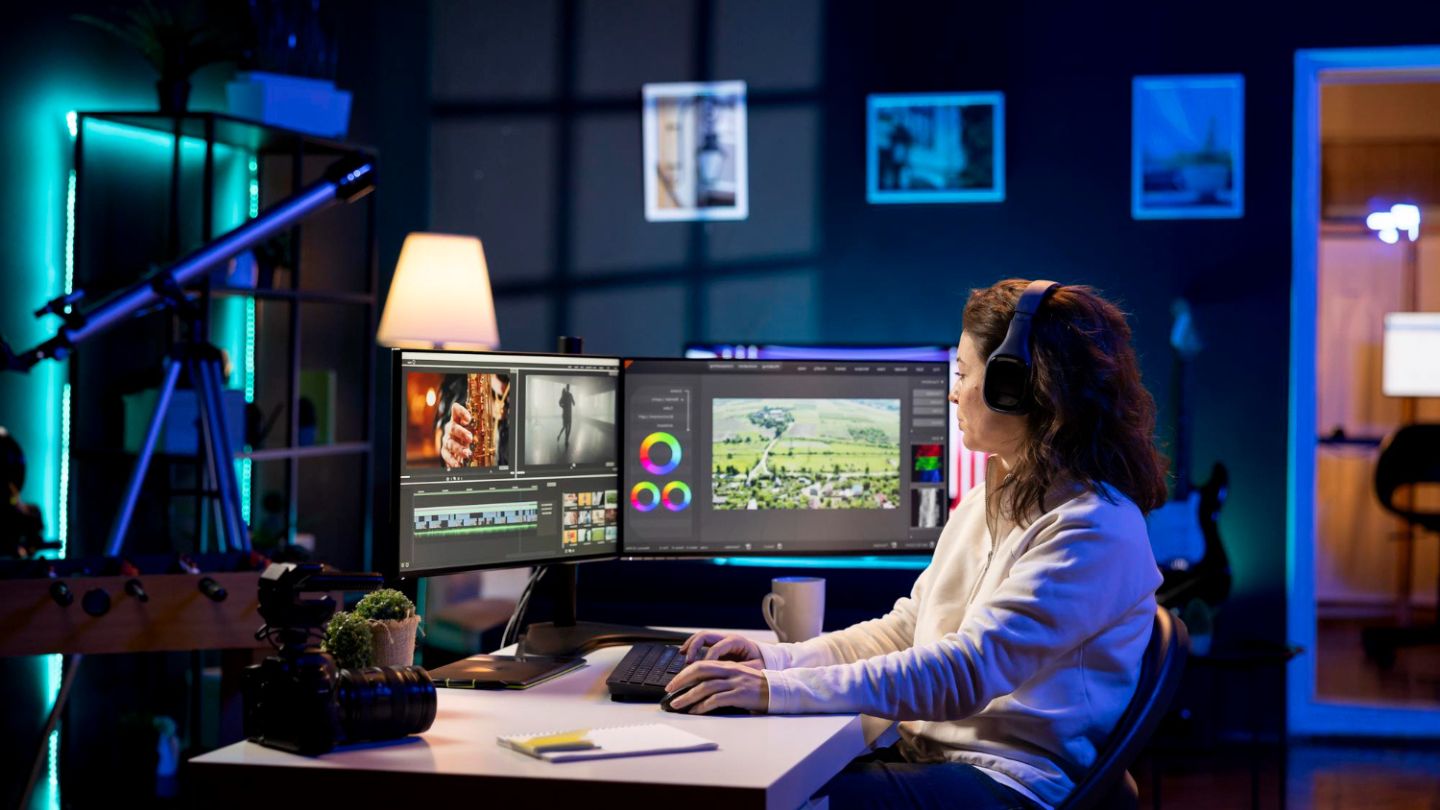
Motion graphics help businesses capture attention, explain ideas clearly, and strengthen their brand across websites, social media, and presentations. Choosing the right formats, planning deliverables for every channel, following a structured production process, and keeping animation consistent with brand guidelines ensures each project delivers real value rather than movement for its own sake.
At The Ocean Marketing, we create visual content that helps brands communicate clearly and stand out wherever their audiences are. Our Graphic Design Services include motion graphics and animated assets built around your brand and goals, and a free SEO audit can show how well your website supports the content you publish. Contact us to talk about bringing your next idea to life.
Frequently Asked Questions
What is the difference between motion graphics and animation?
Motion graphics focus on animated text, shapes, and graphics to communicate information, while animation is a broader term that also includes character-driven storytelling.
How long should an explainer video be?
Most explainer videos run between 60 and 90 seconds. Shorter versions are often created for social media and ads.
What file formats do motion graphics come in?
Common formats include MP4 for video platforms, GIF for simple uses like email, and lightweight formats such as Lottie for website and app animations.