
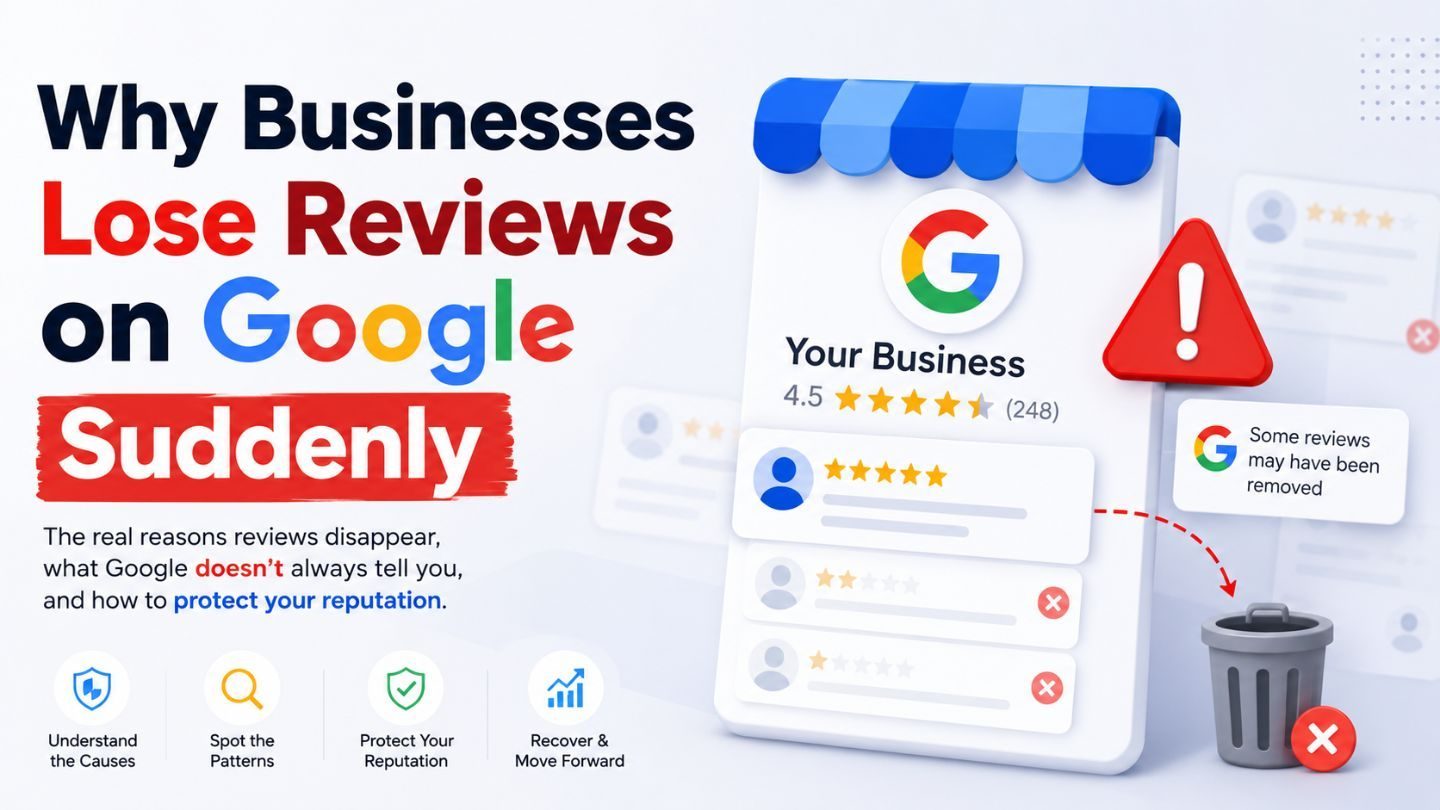
Google reviews play a major role in shaping customer trust and improving local search visibility for businesses. When reviews suddenly disappear, it can create confusion, damage credibility, and impact customer decisions. Many businesses experience this issue without understanding the reasons behind it or how Google’s systems work. This blog outlines why businesses lose reviews on Google suddenly, the common causes behind review removals, and the steps companies can take to maintain a strong and trustworthy online presence. Understanding these factors can help businesses protect their reputation while improving long-term visibility in competitive local search results.
Key Takeaways
- Google removes reviews that violate its spam and fake engagement policies
- Sudden review loss can happen after algorithm updates or profile changes
- Duplicate, incentivized, or suspicious reviews are commonly filtered out
- Technical issues and profile suspensions may temporarily hide reviews
- Businesses should focus on authentic customer feedback strategies
- Maintaining account consistency helps preserve review stability
- Professional local optimization can improve visibility and trust signals
Why Google Reviews Matter More Than Ever
Google reviews have become one of the strongest trust indicators for local businesses. Whether someone is searching for a restaurant, law firm, clinic, or home service provider, reviews influence purchasing decisions immediately. Customers often compare ratings before they even visit a website, making review management a major part of digital visibility. Positive reviews also help businesses appear more credible in local search results and improve customer confidence.
Another important reason reviews matter is their impact on local rankings. Google uses engagement, relevance, and trust signals to determine which businesses appear in local searches and map listings. A business with strong, consistent reviews often performs better in competitive local markets. When reviews disappear suddenly, it can affect visibility, reduce credibility, and create confusion for potential customers who rely on those ratings before making decisions.
Google’s Spam Detection System Removes More Reviews Than Businesses Expect
Google actively monitors reviews to maintain authenticity across its platform. Its automated spam detection system constantly evaluates review patterns, reviewer behavior, account quality, and suspicious activity. If Google identifies unusual behavior, it may remove reviews automatically without notifying the business. Many companies assume only fake reviews are removed, but even legitimate reviews can disappear if they resemble spam signals.
For example, multiple reviews posted from the same IP address, a sudden spike in positive ratings, repetitive wording, or patterns similar to Google Maps spam detection signals can trigger Google’s filters. Reviews from inactive accounts or profiles with limited activity may also be flagged. In some cases, customers unknowingly violate review policies, causing their feedback to vanish. Since the process is algorithm-driven, businesses often struggle to determine exactly why reviews disappeared from their profile.
Policy Violations Can Lead to Sudden Review Loss

Google has strict content guidelines that apply to all reviews. If a review contains promotional content, offensive language, conflicts of interest, or irrelevant information, it may be removed. Businesses sometimes lose reviews because customers mention discounts, incentives, or unrelated experiences in their comments. Even if the review itself seems harmless, certain wording may still violate Google’s policies.
Businesses can also accidentally contribute to review removals through aggressive review collection methods. Offering rewards in exchange for reviews is against Google’s rules. Similarly, asking employees, friends, or family members to leave reviews can create compliance issues. If Google detects manipulated engagement, it may remove not only recent reviews but older ones as well. This can cause businesses to lose years of valuable social proof almost overnight.
Profile Changes Can Trigger Review Visibility Problems
Many businesses do not realize that updates to their Google Business Profile can temporarily affect review visibility. Changing a business name, address, category, or ownership information may trigger Google’s verification systems. During this process, reviews can disappear temporarily while Google reevaluates profile legitimacy and consistency.
Businesses that relocate or rebrand are especially vulnerable to review fluctuations. If Google suspects that a profile represents a different business entity, reviews connected to the previous listing may be removed or hidden. This situation often happens during mergers, franchise adjustments, or duplicate listing cleanups. Maintaining accurate and consistent information across all business platforms can reduce the risk of unexpected review loss after profile updates.
Read More: How to Remove Duplicate Google Listings You Don’t Own
Fake Reviews Hurt Both Businesses and Customers
Google aggressively targets fake reviews because they damage platform trust. Purchased reviews, review exchange schemes, automated feedback systems, and situations involving how to handle and remove fake Google reviews often require careful action because these issues can affect trust and visibility. Businesses that rely on artificial reputation-building strategies may experience sudden drops in review counts once Google detects suspicious activity.
Fake review crackdowns affect legitimate businesses too. Sometimes genuine reviews disappear alongside spam during large algorithm updates. Customers may leave authentic feedback, but if their account activity appears suspicious, the review can still be filtered out. This creates frustration for businesses trying to build credibility honestly. Maintaining a natural review growth pattern and encouraging authentic customer engagement remains the safest long-term approach.
Inactive or Suspended Google Accounts Affect Review Stability
Reviews are connected directly to customer Google accounts. If a reviewer deletes their account, violates Google policies, or becomes inactive, their reviews may disappear automatically. Businesses often blame profile issues when the actual cause is related to customer account status. Since Google does not disclose reviewer-specific details, identifying the source of the problem can become difficult.
Account suspensions can also affect businesses directly. If Google temporarily suspends a business profile for verification concerns or policy violations, reviews may become hidden during the suspension period, especially when the issue is connected to a Google Business Profile suspension. Even after reinstatement, some reviews may not return immediately. This is why businesses should regularly monitor profile health, maintain accurate information, and avoid risky optimization tactics that could trigger account restrictions.
Algorithm Updates Can Cause Unexpected Review Fluctuations
Google frequently updates its local search and spam detection algorithms. These updates can impact review counts, ranking positions, and profile visibility without advance notice. Businesses sometimes notice review drops immediately after a major platform update because Google recalibrates how it evaluates authenticity and trust.
During these updates, older reviews may be reevaluated alongside new submissions. Reviews that previously passed moderation may suddenly disappear if the algorithm identifies suspicious patterns retroactively. Although some reviews eventually return after system corrections, others remain permanently removed. This uncertainty makes it important for businesses to continuously generate genuine customer feedback instead of depending on a fixed number of reviews for credibility.
Poor Review Collection Practices Create Long-Term Problems
Many businesses unintentionally create risks through poor review generation strategies. Sending review requests to large customer lists all at once can appear unnatural to Google’s systems. Similarly, using identical templates for review responses or encouraging customers to repeat specific phrases may trigger spam filters.
A better strategy involves collecting reviews gradually and naturally over time. Encouraging honest feedback immediately after service completion usually produces stronger, more trustworthy results. Businesses should also avoid directing only happy customers to leave reviews while discouraging negative feedback privately. Balanced and authentic engagement appears more credible to both Google and potential customers researching the business online.
Read More: The Psychology of Trust: Why 5-Star Ratings Aren’t Always Best
The Connection Between Reviews and Local Search Visibility
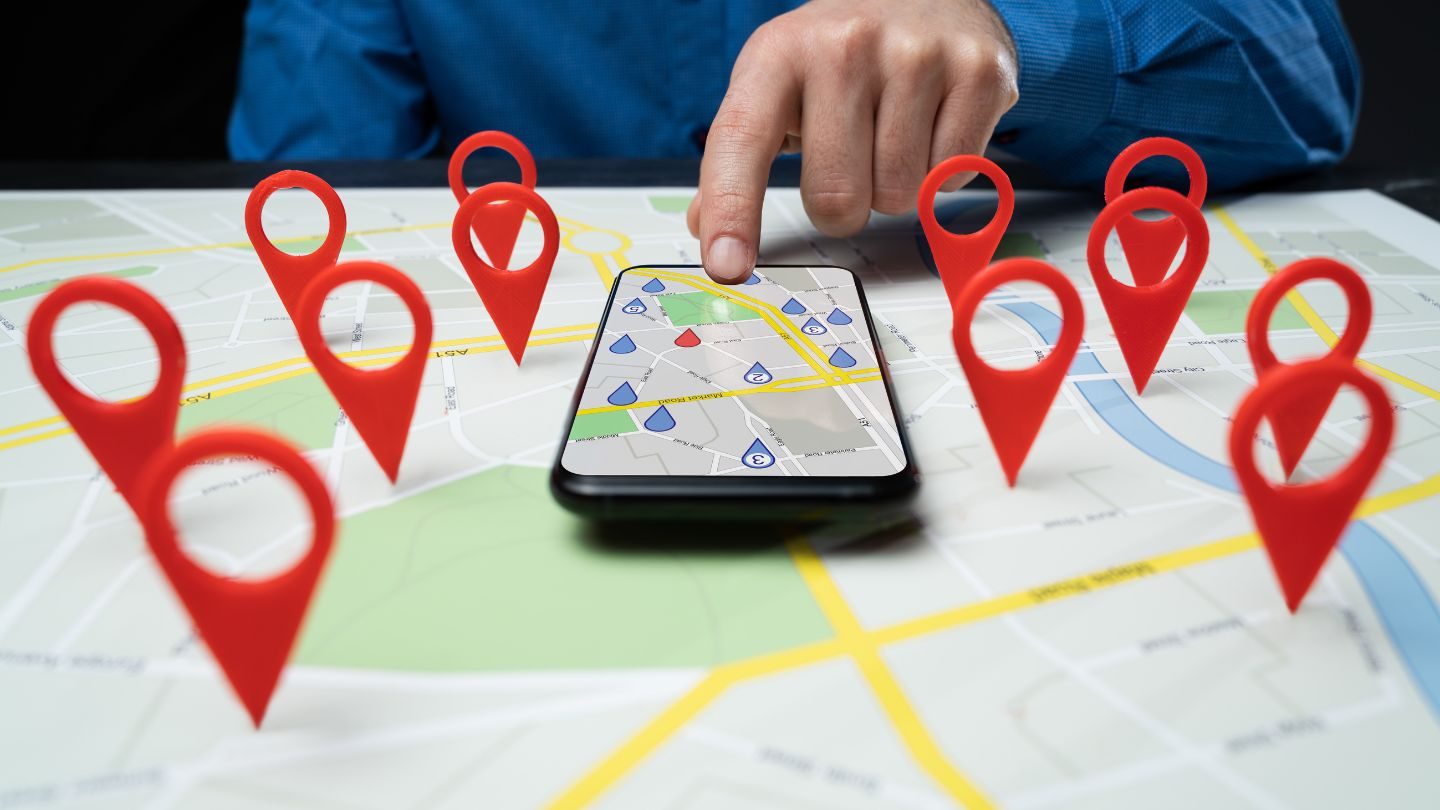
Reviews are closely connected to local search performance and map rankings. Businesses with strong engagement signals often appear more prominently in location-based searches. Losing reviews suddenly can weaken customer trust and reduce search visibility at the same time. This is why reputation management and local optimization should work together rather than separately.
Strong local visibility depends on profile consistency, customer engagement, accurate information, and ongoing optimization. Businesses that focus only on review quantity without improving overall local presence may struggle to maintain rankings long term. A complete local strategy supports sustainable visibility and helps businesses recover faster if review fluctuations occur unexpectedly.
How Businesses Can Protect Their Reviews Moving Forward
The best way to protect reviews is to follow Google’s guidelines consistently and focus on authentic customer interactions. Businesses should encourage honest feedback from real customers without using incentives or manipulative tactics. Monitoring reviews regularly helps identify sudden drops quickly so corrective action can begin immediately.
Maintaining accurate business information across directories also supports trust and consistency. Businesses should keep ownership details updated, respond professionally to reviews, and avoid rapid profile changes unless necessary. Building long-term credibility through genuine engagement creates stronger stability than relying on shortcuts that could eventually trigger review removals.
Final Thoughts
Google review losses can happen for several reasons, including spam detection filters, policy violations, suspicious review activity, profile updates, and algorithm changes. Businesses that depend on local visibility need to understand how Google evaluates reviews and why certain actions may trigger removals. Focusing on authentic customer engagement, maintaining accurate business information, and following platform guidelines can help reduce the risk of sudden review loss while supporting long-term credibility and local search performance.
At The Ocean Marketing, we help businesses strengthen their local visibility through strategic Google Maps SEO solutions designed to improve trust, rankings, and customer engagement. Our team also provides a free SEO audit to identify areas affecting your online presence and local performance. Contact us today to learn how we can help your business build a stronger digital presence and attract more local customers.