

Static websites are fast, secure, and cheap to host, which is exactly why they have become popular again, and none of those strengths guarantee they rank. A static build can quietly carry SEO problems that a traditional site handles automatically, and because the site feels simple, those problems often go unnoticed until traffic fails to arrive. This blog covers eight issues that can hold a static site back in search, why each one happens, and how to address it without giving up the speed and simplicity that made you choose static in the first place.
Key Takeaways
- Static sites are fast but can miss SEO basics handled automatically elsewhere.
- Metadata, structure, and internal linking often need manual attention.
- JavaScript-dependent content can be invisible to search engines.
- Missing XML sitemaps and redirects are common static-site gaps.
- The speed advantage only helps if the fundamentals are in place.
Missing or Incomplete Metadata
On many content-managed platforms, title tags and meta descriptions are generated or prompted for automatically. On a static site, nothing fills them in unless you do, which means pages can ship with missing, duplicated, or placeholder metadata that undermines how they appear in results. This is one of the most common and most fixable static-site problems.
The fix is to treat metadata as a required part of every page rather than an afterthought, giving each page a unique, descriptive title and meta description. Because static sites often reuse templates, it is easy to let the same tags repeat across pages, so checking that every page has its own is worth doing deliberately rather than assuming the template handled it.
JavaScript-Dependent Content

Static does not always mean simple HTML. Many static sites rely on JavaScript to load content after the page arrives, and if the important content only appears after that script runs, search engines may not see it reliably. Content that is invisible to a crawler cannot rank, regardless of how good it is.
The safer approach is ensuring your core content is present in the initial HTML rather than loaded afterward, so it is readable without depending on script execution. This is the same underlying concern as how LLM bots and AI crawlers read websites, since both traditional and AI crawlers struggle with content that only appears after interaction.
Check the Raw HTML
View the page source, not the rendered page, and confirm your actual content is there. If the source is mostly empty and the content loads later, that is a problem worth fixing before anything else.
Read More: Crawl vs Rendering Budget: What SEOs Should Optimize First
No XML Sitemap
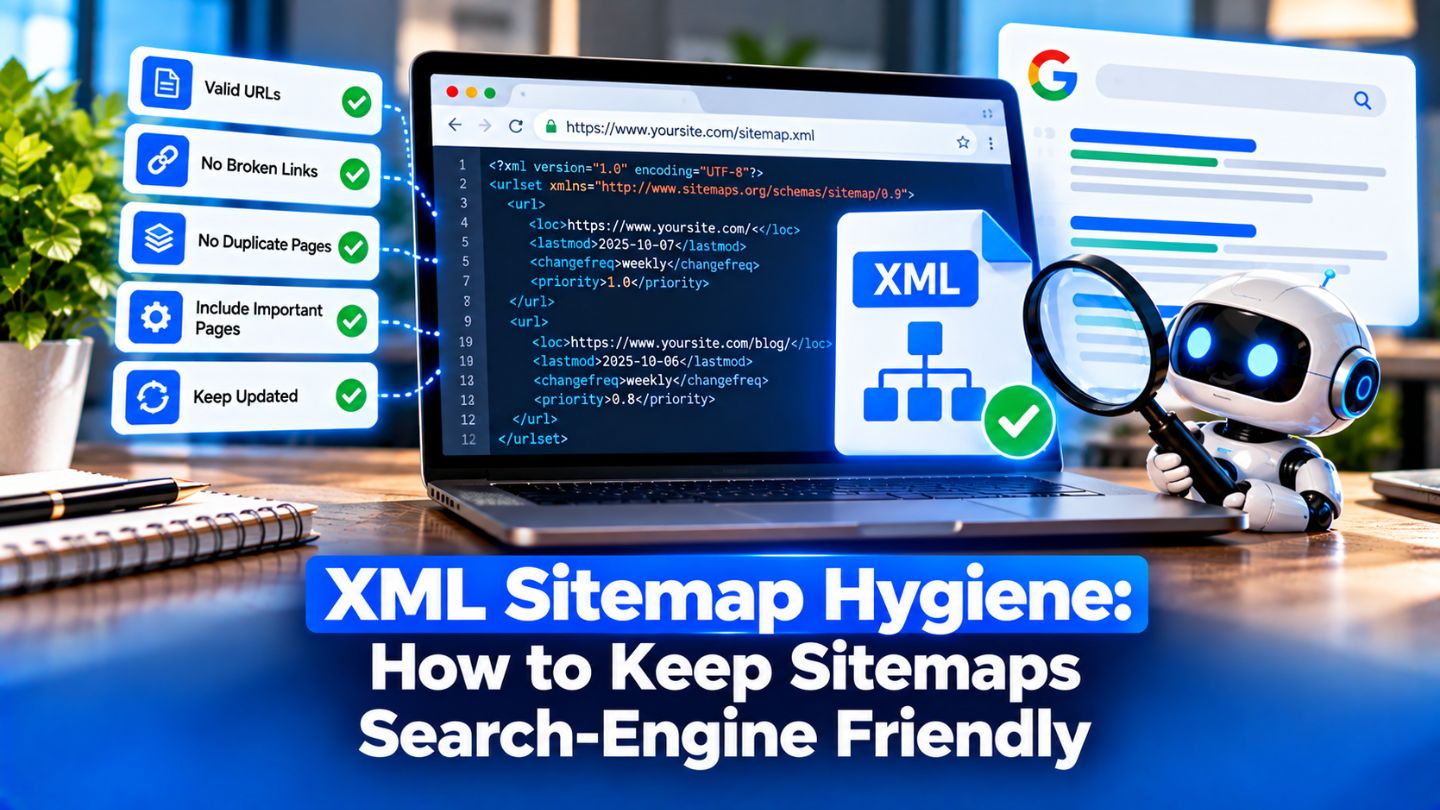
A content management system usually generates and updates an XML sitemap on its own. A static site generator may or may not, and if it does not, search engines are left to discover your pages without the map that makes crawling efficient. For a small site this matters less; for a larger one it can mean pages going undiscovered.
Generating a sitemap and keeping it current as pages change is straightforward with most static tooling, and it is worth confirming yours actually produces one. Submitting it through search console then gives search engines a direct route to every page you want indexed, which is one of the simplest ways to encourage more thorough crawling of the pages that matter. What belongs in the file, and what to leave out, is covered in the guide to XML sitemaps.
Broken or Missing Redirects

When you move or rename a page on a static site, there is often no built-in system catching the old URL and sending visitors to the new one. The result is broken links and lost ranking signal, because the authority the old page earned does not transfer anywhere. This accumulates quietly as a site evolves.
Setting up proper redirects when URLs change preserves both the visitor experience and the ranking value, and on a static site this usually means configuring them at the hosting or CDN level rather than relying on the site itself. It is unglamorous maintenance that prevents a slow erosion of the authority your pages have built up over time. Getting the method right matters too, which is what the guide to 301 redirects covers.
Weak Internal Linking
Static sites are often built page by page, which can leave them as a collection of pages with little connecting them. Without deliberate internal linking, search engines get a weaker picture of how your content relates and which pages matter most, and visitors have fewer paths to discover more of your content.
Connecting related pages and pointing to your most important content helps internal linking boost SEO and site authority while giving visitors a clearer path through your website. On a static site, these connections need to be planned and added deliberately so each page supports the broader content structure.
Unoptimized URLs and Duplicate Content
Static site generators sometimes produce URLs that are not ideal for SEO, or serve the same content at multiple URLs, trailing slash versus none, index.html versus the clean path, which creates duplicate content confusion. Each version splits signals that should be consolidated into one.
Settling on a single canonical URL format and enforcing it consistently, then using canonical tags where needed, resolves this. The distinction matters more than it appears to, and it is closely related to the differences between dynamic and static URLs; getting the URL structure right from the start saves considerable cleanup later.
Image Optimization Is Easy to Overlook
Static sites are often image-heavy by design, and without a content management system handling it, image optimization can get skipped entirely. Large unoptimized images slow the page, which undercuts the speed advantage that made static appealing, and missing alt text removes both an accessibility feature and a signal search engines use to understand what an image shows.
The fix is building image optimization into your process: compressing images before they ship, serving appropriately sized versions, and writing genuine alt text that describes each image. On a static site none of this happens automatically, so making it a standard step rather than an occasional cleanup keeps the pages both fast and properly understood.
Structured Data Needs Manual Implementation

Structured data helps search engines understand what a page is about and can enhance how it appears in results, and on many platforms a plugin adds it for you. On a static site, you add it yourself or it is simply absent, which means you miss an opportunity that competitors using it are taking.
Implementing structured data manually is more straightforward than it sounds, and matching it to what each page actually represents, an article, a product, a local business, gives search engines clearer signals. It is one more thing that a static build hands you responsibility for, and one worth taking on because the pages that use it are better understood than the ones that do not.
Read More: Schema and AI Overviews: How Schema Impacts Search Visibility
Monitoring Is Still Required
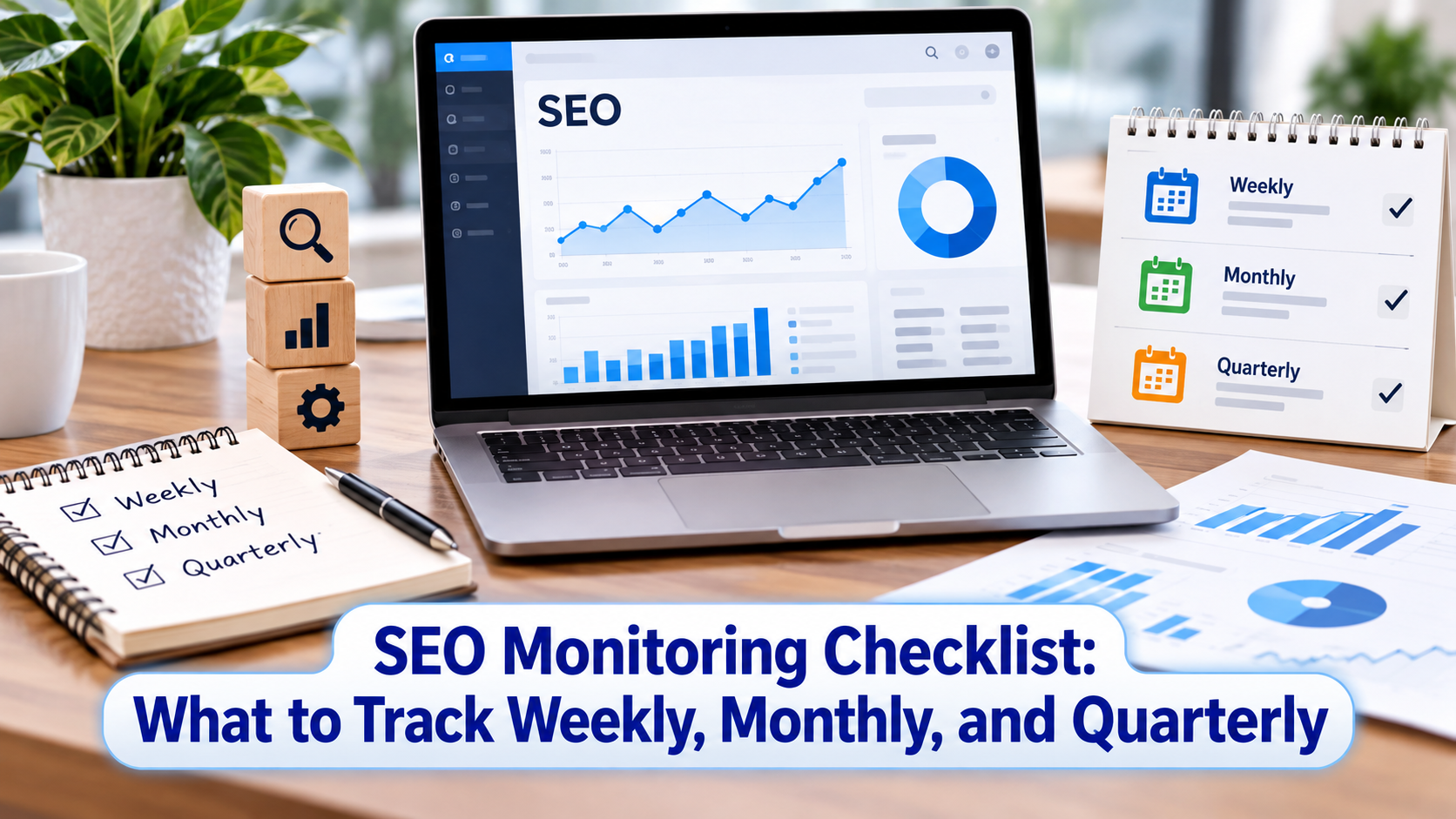
Because a static site feels simple and low-maintenance, it is easy to build it, launch it, and stop paying attention, which is exactly how the issues above accumulate unnoticed. A static site still needs the same monitoring as any other: watching that pages stay indexed, that no errors have crept in, and that performance holds up as the site grows.
Setting up basic monitoring and checking it on a sensible rhythm catches problems while they are small, whether that is a page that stopped being crawled or a template change that introduced an issue across many pages. The simplicity of a static site reduces how much can go wrong, and it does not reduce it to zero, so ongoing attention still earns its place.
Turning Static Speed Into Static Rankings
A static website gives you speed, security, and simplicity, and it hands you the responsibility for the SEO fundamentals that other platforms automate. Metadata, crawlable content, a current sitemap, proper redirects, deliberate internal linking, and clean URLs all need manual attention, and none of them are difficult once you know to look. The speed advantage is real and only helps once the basics are in place, so treating these issues as part of building the site, rather than problems to discover later, is what lets a static site rank as well as it loads.
At The Ocean Marketing, we help businesses get the SEO fundamentals right whether their site is static, dynamic, or somewhere in between. Whether you need help auditing a static build, fixing the gaps that are holding it back, or a free SEO audit to see where your site currently stands, our team can help. Contact us and let's make your fast site rank as well as it performs.