
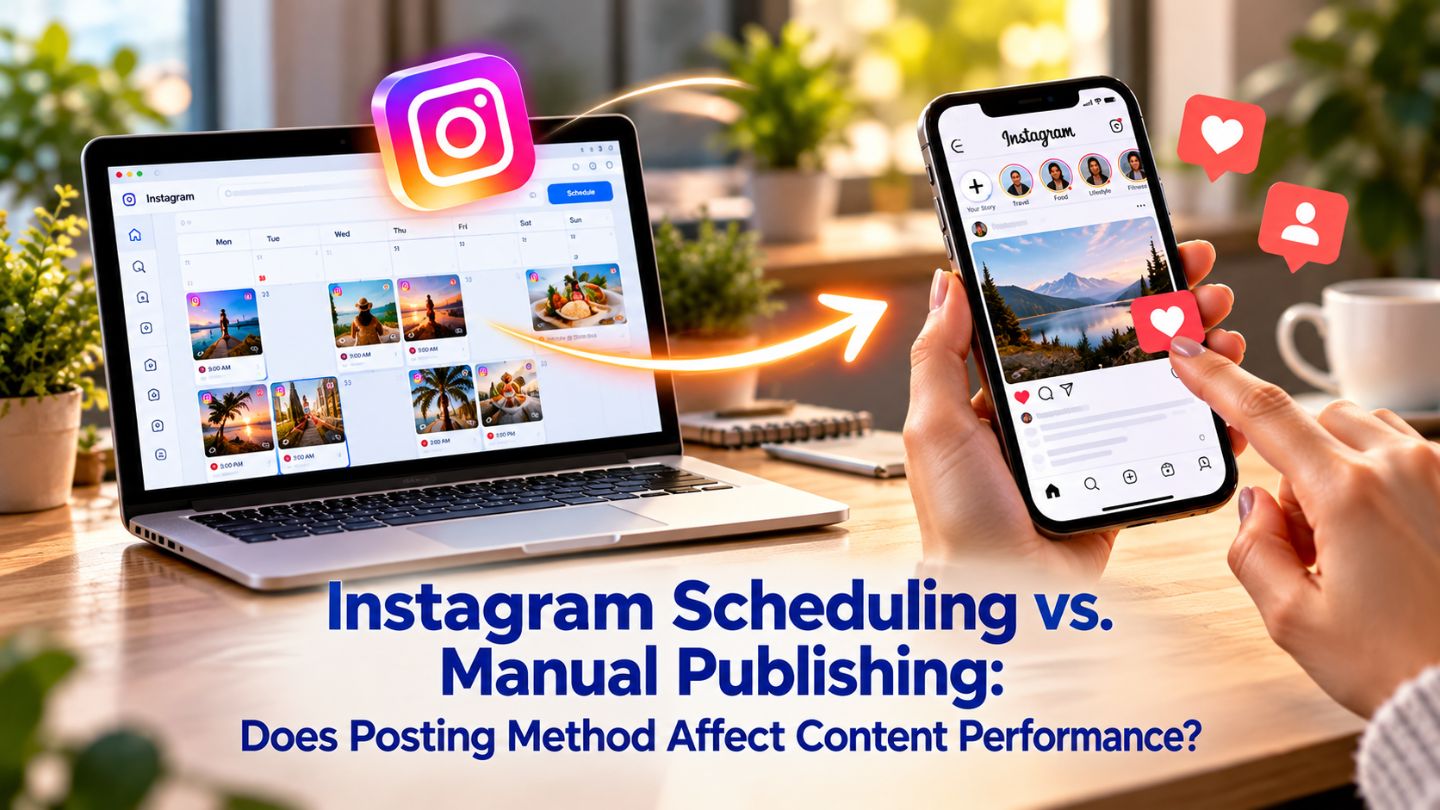
Few questions come up more often among brands on Instagram than this one: does scheduling posts quietly hurt reach? Some marketers swear that posting by hand performs better, while others schedule weeks ahead and see no difference at all. With so much team time riding on the answer, it is worth separating myth from what actually drives results. In this blog, we'll discuss how scheduling and manual publishing compare, what really influences post performance, and how to build a workflow that saves time without sacrificing engagement.
Key Takeaways
- Instagram has said it does not penalize posts published through approved scheduling tools.
- Content quality and timing matter far more than how a post is published.
- Engagement in the first hours after posting matters with either method.
- Manual posting helps with trending, timely, or highly interactive content.
- A hybrid workflow gives brands both consistency and flexibility.
Where the Scheduling Myth Comes From
The belief that scheduled posts underperform usually starts with a few disappointing results. A brand switches to a scheduling tool, sees likes dip for a few weeks, and assumes the tool is to blame. In reality, plenty of other things may have changed at the same time, including the content mix, posting times, algorithm updates, or seasonal shifts in audience activity. One weak month makes a convincing story, even when the real cause sits somewhere else entirely. There are plenty of better explanations, including why your Instagram engagement drops after posting Reels.
Older third-party tools added to the confusion. Years ago, some apps could not publish directly and sent reminder notifications instead, which led to delays and inconsistent posting. Today, scheduling through Meta's own tools or through approved partners publishes content directly, and Instagram has stated publicly that it does not reduce reach for posts created this way. In most cases, the posting method itself is simply not the problem.
What Actually Drives Instagram Post Performance
Instagram ranks content using signals about the post and the people seeing it. These include how likely someone is to like, comment, save, share, or keep watching, how they have interacted with the account before, and how closely the content matches their interests. None of these signals care whether a person tapped the share button at that exact moment or a scheduled job published the post automatically on their behalf. What the system cares about is the reaction a post earns, not the mechanics of how it arrived on the feed.
What matters is how real people respond once the post goes live. Strong hooks, clear visuals, useful captions, and formats that suit your audience shape that response. Because of how Instagram tests your content before pushing it viral, early reactions from a smaller group of viewers influence how far a post travels. Scheduling simply decides when that test begins, not how it turns out.
The Real Advantages of Scheduling
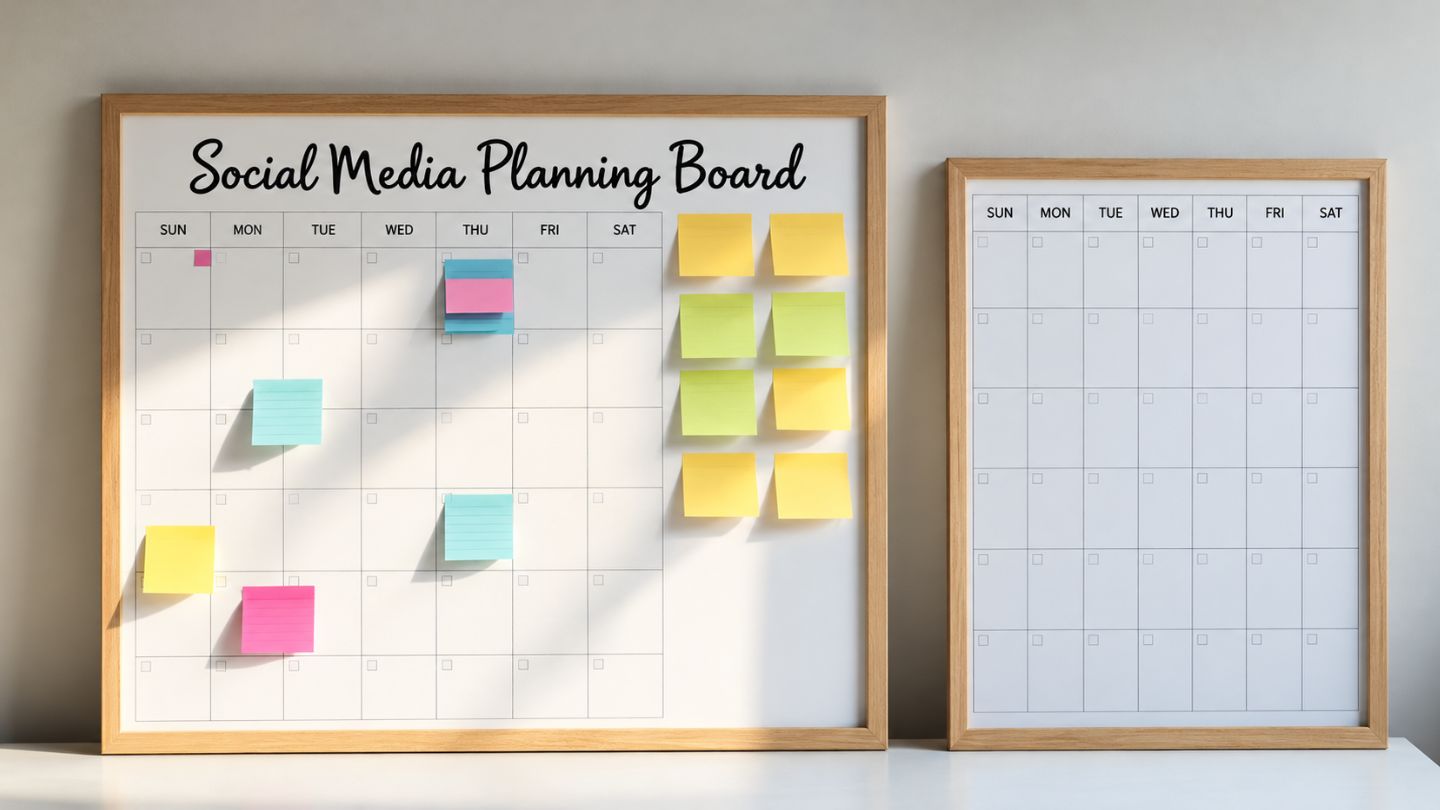
Scheduling solves the biggest challenge most brands face on Instagram, which is consistency. Planning posts in advance keeps a steady publishing rhythm through busy weeks, holidays, and team absences. It also leaves room for proper review, so captions get proofread, hashtags stay relevant, and visuals match brand guidelines before anything goes public. That extra polish often does more for performance than posting at the perfect minute.
Batch creation is another major benefit. Producing a week or a month of content in one focused session is usually faster and more creative than scrambling to post every day. Scheduling also makes it easy to publish when your audience is most active, even if that falls early in the morning or late at night. Deciding what marketers should automate and what still needs a human touch keeps the process efficient without making the account feel robotic.
When Manual Publishing Makes More Sense
Manual posting still earns its place for certain types of content. Trend-based Reels, reactions to news, live event coverage, and posts built around trending audio work best when published at exactly the right moment. Trends move fast, and something scheduled three days earlier can feel stale by the time it appears. Manual posting also makes sense when you plan to stay online and reply to comments the moment they start coming in.
It can also help with features that some scheduling tools handle inconsistently, such as certain music options, collaboration invites, or product tags, depending on the platform you use. Whichever method you choose, get the details right before publishing. Whether editing Instagram posts after publishing affects reach is a common concern, so double-checking captions, tags, and locations before posting keeps edits to a minimum.
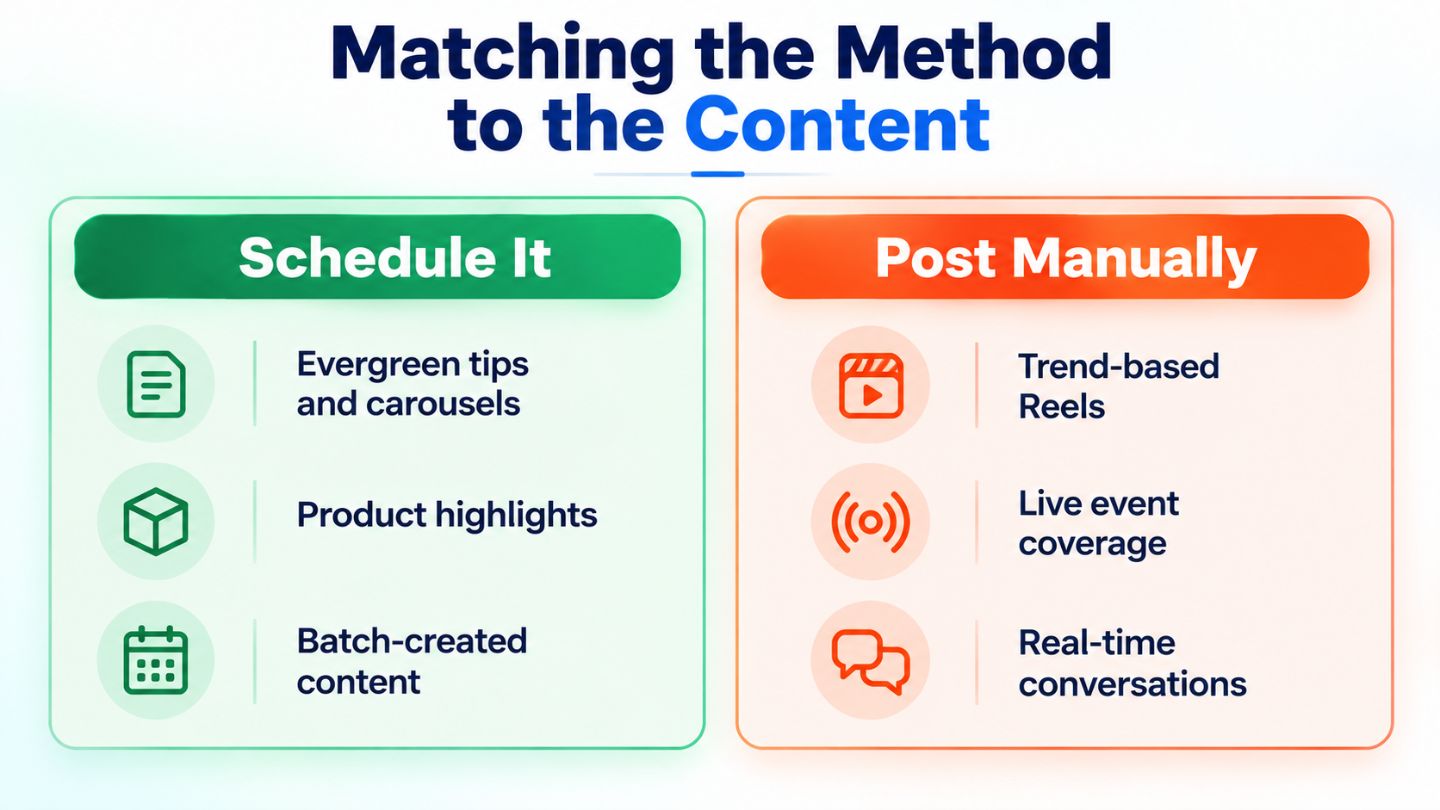
Most brands get the best results by matching the publishing method to the type of content.
Engagement After Posting Matters Either Way
The first hour or two after a post goes live often shapes how far it travels, and this is where scheduled posts sometimes fall short in practice. The problem is not the tool itself. It is that teams schedule a post and then walk away, leaving comments unanswered and questions ignored during the window when conversation matters most to the algorithm and to the people asking. A strong post can lose momentum simply because nobody was around to keep the conversation going.
Treat every scheduled post like a live one. Set a reminder to check in shortly after it publishes, reply to comments, answer direct messages, and interact with related accounts. This keeps conversations moving and signals that the post is worth showing to more people. A scheduled post backed by active community management will almost always outperform a manual post that receives no follow-up at all.
A Simple Post-Publishing Routine
- Reply to early comments within the first hour.
- Share the post to Stories for extra visibility.
- Respond to related messages and mentions.
- Compare results with similar posts to spot patterns.
Read More: Instagram Likes, Saves, Shares & Watch Time: Which One Matters Most?
Timing Matters More Than the Tool You Use
When people compare scheduled and manual posts, they often overlook the biggest variable of all, which is timing. A post published while your followers are scrolling has a much better chance of earning early engagement than one that goes out while most of them are asleep or at work. Scheduling actually makes good timing easier, because it lets you publish at your strongest hours without someone needing to be online at that exact moment.
Instagram Insights shows when your followers are most active by day and hour, and that data is the best starting point for any posting plan. Test a few different windows over several weeks, compare the results, and adjust based on what your own audience does rather than generic advice about the best time to post. Time zones matter as well, especially for brands with followers spread across several regions or countries.
Read More: How to Increase Instagram Reach Without Posting More Frequently
Building a Hybrid Workflow That Works
For most brands, the smartest approach combines both methods. Evergreen content such as tips, product highlights, testimonials, and educational carousels can be planned and scheduled well ahead. Timely content, trend-based Reels, and anything tied to real-time events can stay flexible for manual posting. This keeps the feed consistently active while leaving room to react to what is happening right now in your industry or community. Deciding which format carries which job starts with Instagram Story vs Reel vs Feed Post and when to use each.
Testing turns this approach into a strategy rather than a guess. Compare similar posts published both ways over several weeks, keeping timing and content type as consistent as possible. Look at reach, saves, shares, and comments rather than likes alone. If the results stay close, which they usually do, you have clear evidence to support the workflow that saves your team the most time.
Choosing the Posting Method That Fits Your Brand

Scheduling does not hurt Instagram performance on its own. Content quality, posting time, audience interest, and how actively you engage after publishing have a far bigger influence on results. Scheduling brings consistency and better planning, while manual posting adds speed for timely content. Used together, they give brands a steady presence without missing the moments that call for a quick, real-time response.
At The Ocean Marketing, we help brands plan, publish, and measure content that keeps audiences engaged across platforms. Our Social Media Marketing team builds posting strategies around real performance data, and a free SEO audit can show how your social presence and website work together to attract customers. Contact us to find a publishing approach that fits your goals.
Frequently Asked Questions
Does Instagram penalize scheduled posts?
Instagram has stated that posts published through its own scheduling features or approved partner tools are not penalized. Performance depends on how people respond to the content, not on how it was published.
What is the best way to schedule Instagram posts?
Meta's own tools, including in-app scheduling for professional accounts and Meta Business Suite, publish content directly. Approved third-party platforms also work well when they connect through Instagram's official integration.
Should Reels be scheduled or posted manually?
Evergreen Reels can be scheduled without any issue. Trend-based Reels that rely on timely audio or current events usually perform better when posted manually at the right moment.