
Every website loses pages over time. Products get discontinued, resources get deleted, and redesigns leave old URLs returning errors. When those pages belonged to a competitor and still have backlinks pointing at them, they become an opportunity hiding in plain sight, because the sites linking to them now send readers to a dead end. This blog outlines how to find competitor broken pages, judge which ones are worth pursuing, create a stronger replacement, and reach out to linking sites in a way that earns relevant backlinks.
Key Takeaways
- Broken competitor pages often keep their backlinks long after the content disappears.
- Backlink tools can filter a competitor's pages by error status and referring domains.
- Relevance and link quality decide which broken pages are worth replacing.
- A replacement resource should be genuinely better than the original.
- Helpful, personalized outreach earns far more links than generic templates.
Why Broken Competitor Pages Are Valuable
When a page disappears, its backlinks usually stay put. Bloggers, journalists, universities, and resource pages linked to it because it was useful, and most of them never notice when it stops working. Those links now point to an error page, which frustrates their readers and leaves the linking site with a quiet problem it would happily fix if someone pointed it out along with a good alternative.
For your site, that creates a rare opening. The linking sites have already shown interest in the topic; they have already chosen to link to a resource like yours, and the broken link gives you a natural, helpful reason to get in touch. That makes this approach more relevant, and often more welcome, than cold outreach that asks for a link out of nowhere.
Finding Broken Pages on Competitor Sites
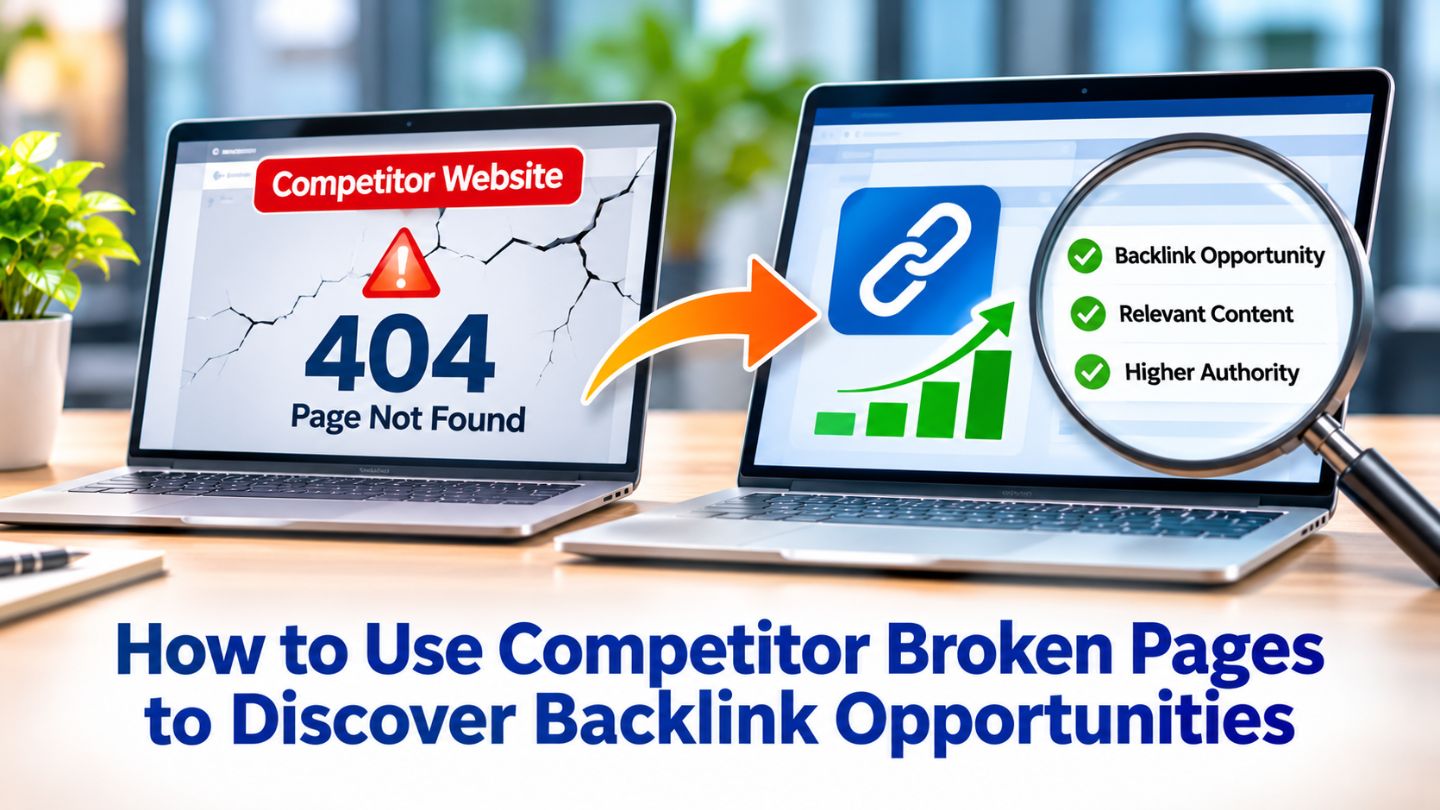
Most backlink tools can list a competitor's pages sorted by the number of referring domains, along with the HTTP status of each one. Filtering that list for pages returning 404 or other error codes reveals which dead URLs still attract links. Start with competitors that rank for your target topics, then widen the search to industry publications, associations, and resource sites in your niche.
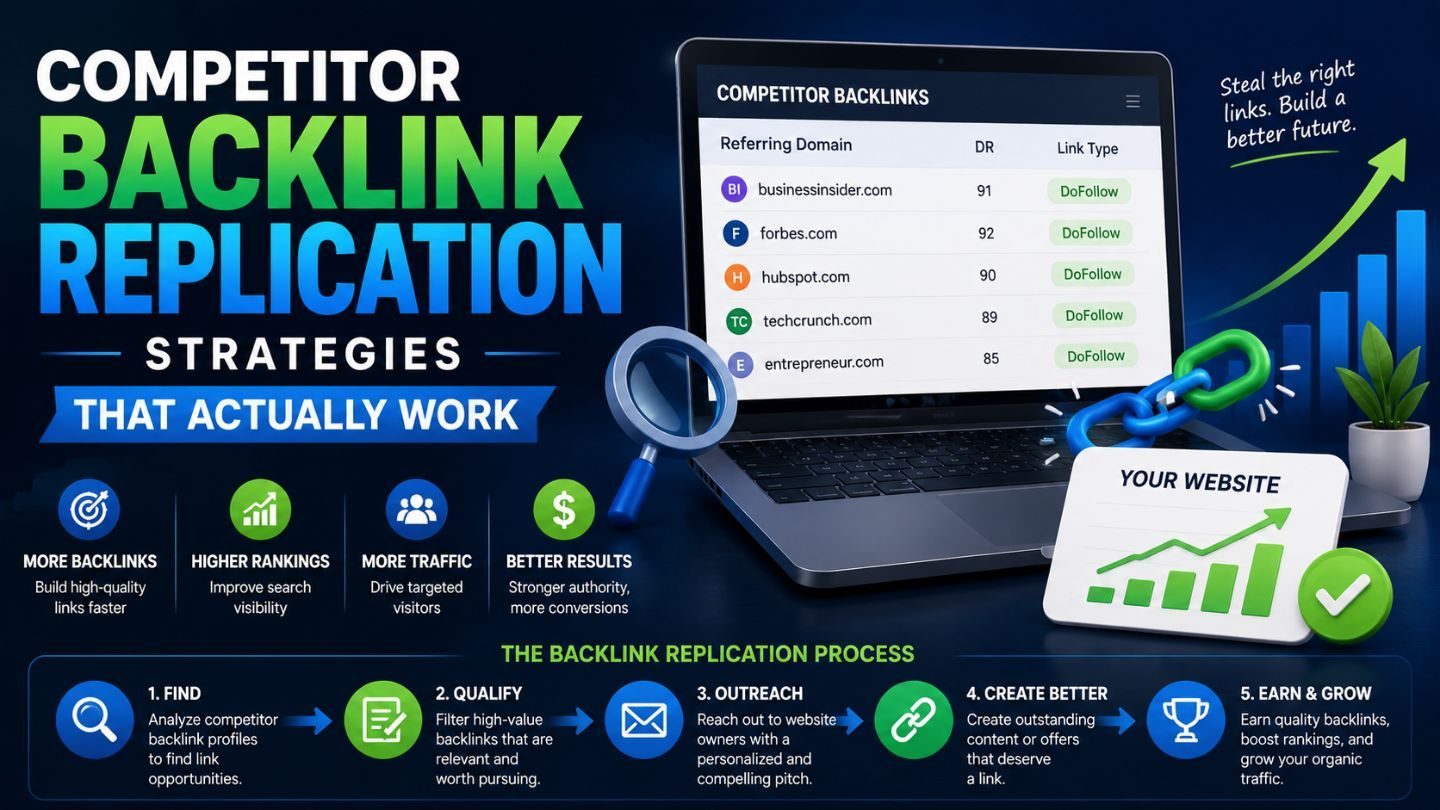
Crawling competitor sites directly can surface broken pages too, especially after a redesign or migration. Archived copies of a page in the Wayback Machine show what the original content covered, which explains why people linked to it. This research fits naturally alongside other competitor backlink replication strategies, since both start with studying where rivals earn links and why.
Judging Which Opportunities Deserve Your Time

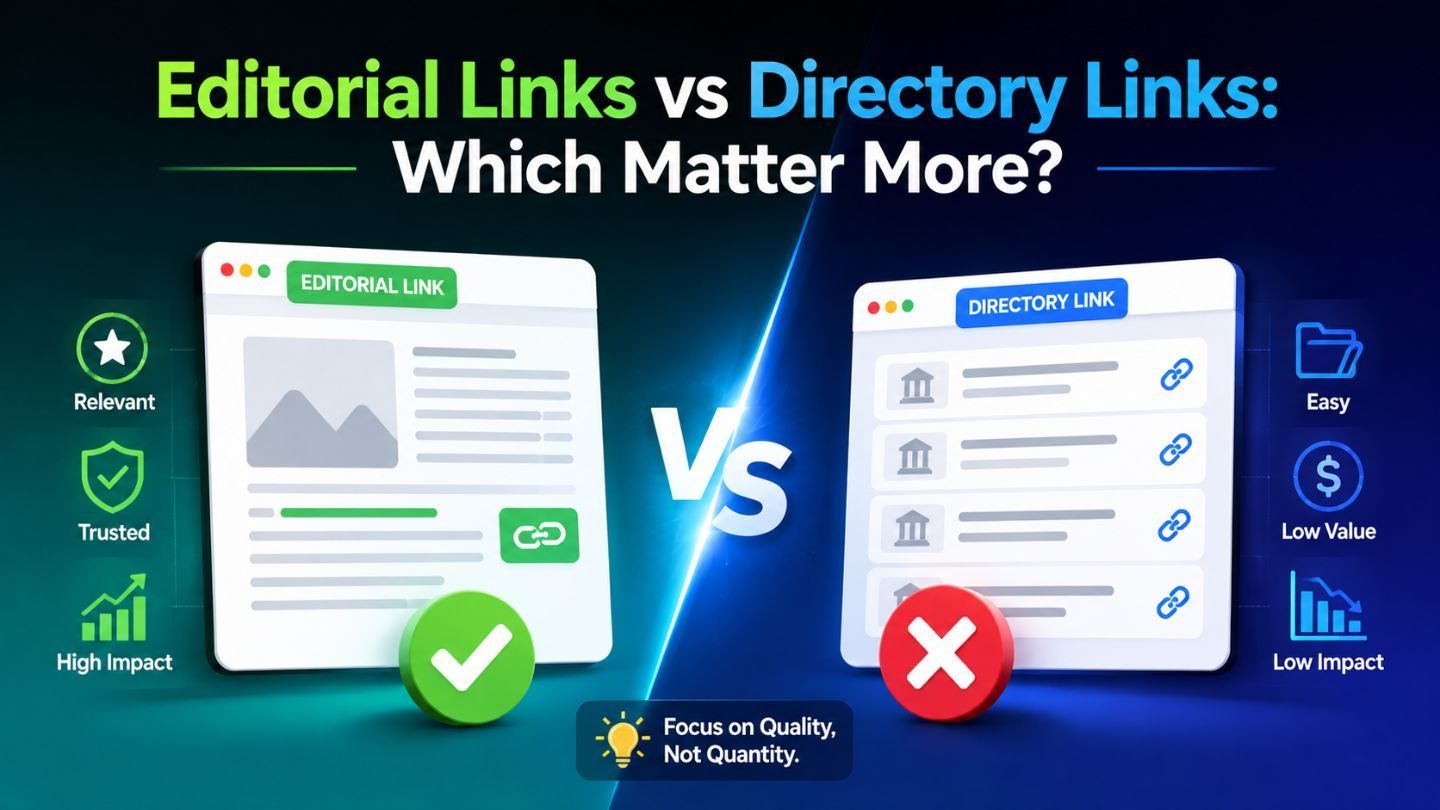
Not every broken page deserves a replacement. Look closely at the sites linking to it. Links from relevant, reputable websites in your industry are worth the effort, while links from spammy directories, scraped content, or unrelated sites are not. A page with a handful of strong, relevant links is usually a better target than one with hundreds of low-quality links from sites no one reads.
Consider whether the topic genuinely fits your site and whether you can do it justice. A broken guide on a subject you know deeply is an easy win, while a page outside your expertise will struggle to convince anyone to link. Prioritizing a short list of strong opportunities keeps the work focused and makes each outreach message more credible to the people receiving it. Being clear on how to recognize high-quality backlinks is what keeps that shortlist honest.
Signs a Broken Page Is Worth Pursuing
- It still has links from several relevant, trusted domains.
- The topic closely matches your expertise and audience.
- The original content was a resource people actively referenced.
- You can realistically create something more useful.
Read More: Toxic Backlinks: How to Find and Remove Them
Creating a Replacement Resource Worth Linking To
The replacement should cover everything the original did and then improve on it. Use the archived version to understand its scope, then update outdated information, add missing details, include original examples or data, and make it easier to read with clear headings and visuals. The goal is a page that the linking sites would choose even if the original were still live and working.
Match the format to what people linked to. If the original was a checklist, a glossary, or a statistics page, a similar format makes the swap feel natural to the site owner. Publishing on a clean URL, making the page fast and mobile-friendly, and linking to it from relevant pages on your own site helps it look established and trustworthy before outreach begins. Where the original was thin, building original research that attracts links gives site owners a clear reason to switch.
Finding, rebuilding, and reaching out turns competitor broken pages into relevant link opportunities.
Reaching Out the Right Way
Personalize Every Message: Outreach works best when it is genuinely helpful. Find the right contact for each linking page, mention the specific article and the broken link, and suggest your resource as a replacement in one or two sentences. Personal, specific messages stand out from the flood of generic requests most site owners receive, and they make it easy for the recipient to fix the problem quickly.
Keep the Tone Helpful: Keep the tone friendly and pressure-free. Site owners care about their readers, so framing the email around a better experience for their audience lands better than asking for a favor. Dead links hurt the linking site's own user experience, which is why fixing broken backlinks matters to site owners who care about quality. One polite follow-up is fine, but repeated messages damage relationships and reputation.
Tracking Results and Protecting Your Own Links
Keep a simple record of every opportunity, including the broken URL, linking pages, contact details, outreach dates, and outcomes. Over time, this shows which types of resources earn the most replacements and which sites respond best. Checking new links regularly also confirms they stay live and point to the right page, so earned links are not lost to later site changes.
The same research often reveals problems on your own website. Your pages break too, and links pointing to them lose their value until they are redirected or restored. Regular link reclamation keeps existing backlinks working, making sure the authority you have already earned is not quietly leaking away while you pursue new opportunities.
Read More: The Complete Guide to 301 Redirects and SEO Performance
Building a Repeatable Process
The broken page method works best as an ongoing routine rather than a one-time project. Competitor sites keep changing, and new broken pages appear every month as content is removed or restructured. Checking key competitors on a regular schedule, perhaps quarterly, keeps a steady stream of fresh opportunities flowing without requiring a huge research effort each time.
A shared spreadsheet or project board turns the process into a system the whole team can follow. Columns for the broken URL, linking domains, replacement page, contacts, outreach status, and results make it easy to see where every opportunity stands. Over time, the replacement pages you create also become valuable content assets in their own right, attracting links and traffic long after the original outreach ends.
Running the process on a schedule keeps fresh opportunities coming in.
Common Mistakes to Avoid
The most common mistake is rushing the replacement. Publishing a thin page and asking dozens of sites to link to it rarely works, because site owners compare it with the original and see little reason to switch. Another frequent error is pitching sites that are not actually relevant, simply because they linked to a broken page in your general industry.
Tone can also undermine good opportunities. Messages that sound automated, exaggerate the problem, or push too hard for a link often get ignored or marked as spam. Treating every email as a genuine conversation with a real person, and accepting that some site owners will say no, keeps your reputation intact and leaves the door open for future opportunities.
Turning Dead Ends Into Fresh Opportunities

Competitor broken pages offer a practical, relevant way to earn backlinks. Finding dead URLs that still attract links, choosing the opportunities that fit your expertise, creating a stronger replacement, and reaching out with genuinely helpful messages gives linking sites a better resource and your site a valuable new link. Tracking results and protecting your own links keeps the strategy working over the long term.
At The Ocean Marketing, we help businesses earn relevant, authoritative backlinks through research-driven strategies like this one. Our Link Building team identifies opportunities, creates link-worthy content, and handles outreach, and a free SEO audit can reveal the current strength of your backlink profile. Contact us to start turning missed opportunities into lasting links.
Frequently Asked Questions
What is the broken page backlink method?
It involves finding pages that no longer work but still have backlinks, creating a better replacement, and asking the linking sites to update their links to the new resource.
How do I find broken pages on a competitor's site?
Backlink tools can list a competitor's pages with their HTTP status and referring domains. Filtering for 404 errors shows which broken pages still attract links.
Is this method still effective?
Yes, when it is done carefully. Relevant opportunities, genuinely useful replacement content, and personalized outreach produce far better results than mass emails.