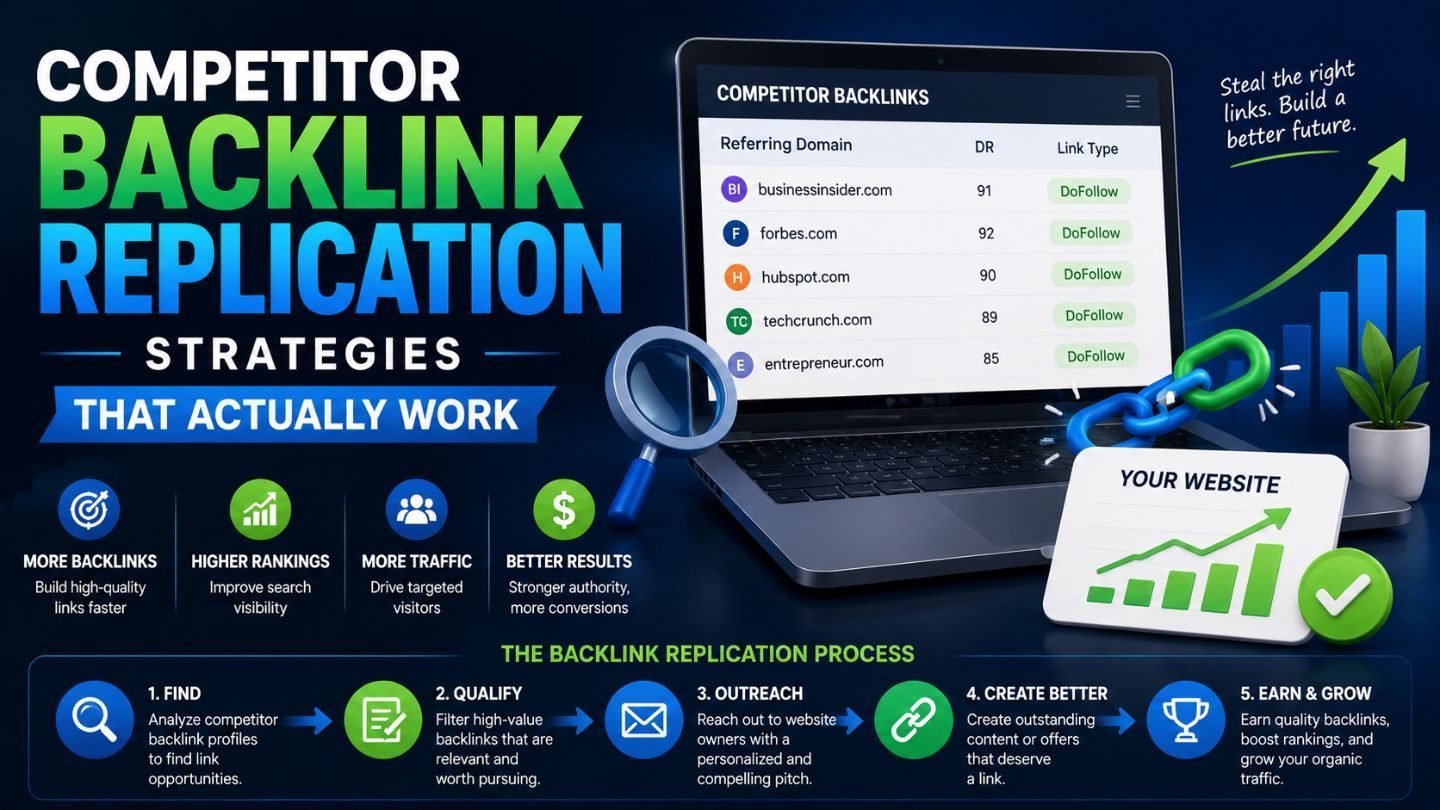

Link building continues to play a critical role in determining how websites rank in search engines, but the focus has shifted from quantity to quality and structure. This blog contains a detailed explanation of link diversity, why it is essential for sustainable SEO growth, and how many types of links you actually need to build a natural backlink profile. Search engines now evaluate patterns, relevance, and credibility rather than just counting backlinks. That is why businesses must focus on building a balanced mix of links instead of relying on a single strategy that may limit long-term performance.
Key Takeaways
- Link diversity refers to acquiring backlinks from different sources, domains, and formats.
- A natural backlink profile is more effective than one dominated by a single link type.
- Relevance and authority matter more than sheer backlink volume.
- Multiple link types work together to strengthen SEO performance.
- Anchor text variation plays a key role in maintaining a natural profile.
- Both dofollow and nofollow links contribute to a healthy link ecosystem.
- Consistent and strategic link building delivers long-term results.
What Is Link Diversity?
Link diversity is the practice of acquiring backlinks from a wide range of sources rather than relying on one specific method. It involves building links from blogs, business directories, editorial mentions, social platforms, industry websites, and other relevant channels that contribute to a well-rounded backlink profile. When search engines analyze your website, they look for patterns that indicate whether your links have been earned naturally or artificially created. A diverse set of backlinks signals that your website is recognized across multiple platforms and trusted by different types of sources.
This diversity also reflects how real businesses gain attention online. A credible website is rarely linked from just one type of platform; instead, it earns mentions through content, partnerships, directories, and community engagement. When your backlink profile mirrors this natural behavior, it strengthens your credibility and improves your chances of ranking higher. Link diversity is not about randomness but about strategic variation that aligns with your industry and audience.
Why Link Diversity Matters in SEO
Search engines have become highly advanced in identifying unnatural link-building patterns, which means relying on a single link type can limit your SEO success. A backlink profile that lacks variety may appear manipulated, even if the links themselves are not harmful. This is why diversity plays a crucial role in building trust and maintaining long-term rankings. When your links come from multiple sources, it indicates that your website is genuinely valuable across different platforms and audiences.
Another important benefit of link diversity is stability. If your SEO strategy depends too heavily on one link source, any change in that source’s value can affect your rankings. A diversified profile reduces this risk by distributing authority across multiple channels. It also helps you reach different audiences, bringing in varied traffic sources that can improve engagement and conversions. In this way, link diversity supports not just rankings but overall digital growth.
Types of Links You Should Include

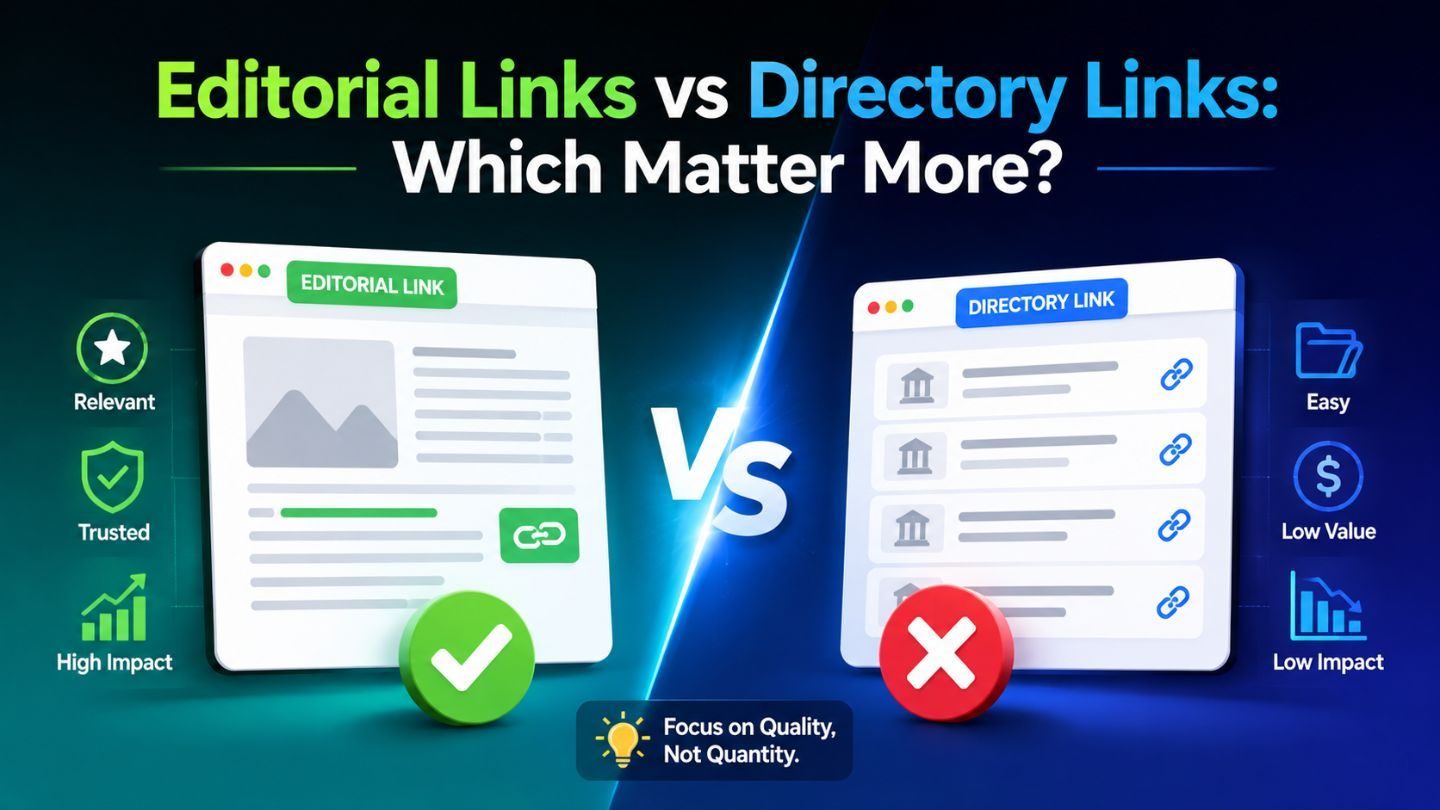
A strong backlink profile is built on a mix of different link types, each contributing to your SEO in a unique way. Editorial links are among the most valuable because they are naturally earned when other websites reference your content as a reliable source. These links usually come from high-authority websites and carry significant weight because they are based on merit rather than outreach. Guest post links are another important component, allowing you to publish content on relevant websites while earning contextual backlinks.
Because the placement and surrounding relevance of contextual backlinks can influence how much SEO value they carry, this type of link often plays a much stronger role than links added without editorial context. When done correctly, guest posting helps establish authority and expand your reach. Directory links, particularly from reputable business listings, are essential for local SEO and help search engines verify your business information. Social media links, although often nofollow, contribute to visibility and can lead to additional backlinks through content sharing.
Forum and community links can also add value when they are relevant and genuinely helpful. Participating in discussions and providing useful insights allows you to include links in a natural way. Press release links and digital PR mentions further strengthen your profile by increasing exposure and building authority. The goal is to create a combination that reflects a natural online presence rather than focusing too heavily on one type.
How Many Types of Links Do You Really Need?
There is no exact number of link types required to build a successful SEO strategy, but having a balanced mix is essential. Most websites benefit from incorporating several types of links rather than depending on one or two methods. The ideal mix depends on your industry, competition, and business goals. For example, a local business may focus more on directories and local citations, while a content-driven website may prioritize editorial and guest post links.
Instead of aiming for a specific number, the focus should be on maintaining variety and relevance. A healthy backlink profile includes multiple sources that work together to build authority and credibility. When your links come from different platforms, they create a more natural pattern that search engines recognize as trustworthy. This balanced approach ensures that your SEO efforts remain effective over time without risking penalties.
The Importance of Anchor Text Diversity
Anchor text diversity is a key element of link diversity because it determines how your backlinks are interpreted by search engines. Using the same keyword repeatedly as anchor text can appear manipulative and may negatively impact your rankings. A natural backlink profile includes a mix of branded anchors, generic phrases, partial matches, and occasional exact-match keywords used strategically.
This variation helps search engines understand the context of your links while maintaining a natural appearance. It also improves user experience by making links more readable and relevant within content. Anchor text diversity works alongside link source diversity to create a balanced profile that aligns with search engine guidelines and reduces the risk of over-optimization.
Dofollow vs Nofollow Links
A well-rounded backlink strategy includes both dofollow and nofollow links, as each serves a different purpose. Understanding how dofollow and nofollow backlinks function within a broader SEO strategy helps businesses build a profile that looks balanced, credible, and aligned with how links appear naturally across the web. Dofollow links pass authority and directly influence rankings, making them an important part of any SEO strategy. However, relying solely on dofollow links can make your profile appear unnatural.
Nofollow links, while not passing authority in the same way, still contribute to visibility, traffic, and overall credibility. Search engines expect a natural mix of both types because real-world mentions occur across various platforms, including social media, forums, and directories. By maintaining this balance, you create a backlink profile that reflects genuine activity rather than a controlled strategy. This approach not only supports SEO but also enhances brand exposure across different channels.
Common Mistakes to Avoid
One of the most common mistakes in link building is focusing only on quantity rather than quality. Acquiring a large number of low-quality links can harm your rankings instead of improving them. In many cases, these low-value links eventually turn into toxic backlinks that weaken trust signals and make it harder for a website to maintain a clean and sustainable backlink profile. Another mistake is relying too heavily on a single link type, which can limit your SEO potential and create an unnatural pattern.
Businesses also often overlook relevance, choosing links that do not align with their industry or audience. Using automated tools to generate backlinks is another risky practice that can lead to penalties. These tools often create spammy links that do not provide real value. Instead, a strategic and manual approach to link building is more effective. Avoiding these mistakes ensures that your link diversity strategy remains strong and sustainable over time.
Building a Sustainable Link Diversity Strategy

Creating a sustainable link diversity strategy requires careful planning and consistency. Start by analyzing your current backlink profile to identify gaps and opportunities for improvement. Focus on acquiring links from relevant and authoritative sources while maintaining a steady pace of growth. Content plays a crucial role in this process, as high-quality content naturally attracts backlinks from various platforms.
Building relationships with industry websites, bloggers, and media outlets can also help you earn valuable links. Outreach efforts should be targeted and personalized to ensure better results. Over time, this approach helps you develop a diverse and credible backlink profile that supports long-term SEO success. Consistency is key, as gradual growth appears more natural than sudden spikes in link acquisition.
Final Thoughts
Link diversity plays a crucial role in building a strong and sustainable SEO strategy, as it ensures your backlink profile appears natural, credible, and relevant to search engines. By incorporating a mix of link types such as editorial links, guest posts, directories, and community mentions, along with maintaining anchor text variation and a balance between dofollow and nofollow links, businesses can improve their rankings while reducing the risk of penalties. Instead of focusing on the number of backlinks alone, a strategic and diverse approach helps create long-term authority and consistent organic growth.
At The Ocean Marketing, we specialize in advanced link-building strategies designed to create a balanced and high-performing backlink profile, and we also offer a free SEO audit to help identify opportunities for growth. Let us help you strengthen your online presence and achieve better search visibility. Contact us today and let our team build a powerful SEO strategy tailored specifically to your business goals.