
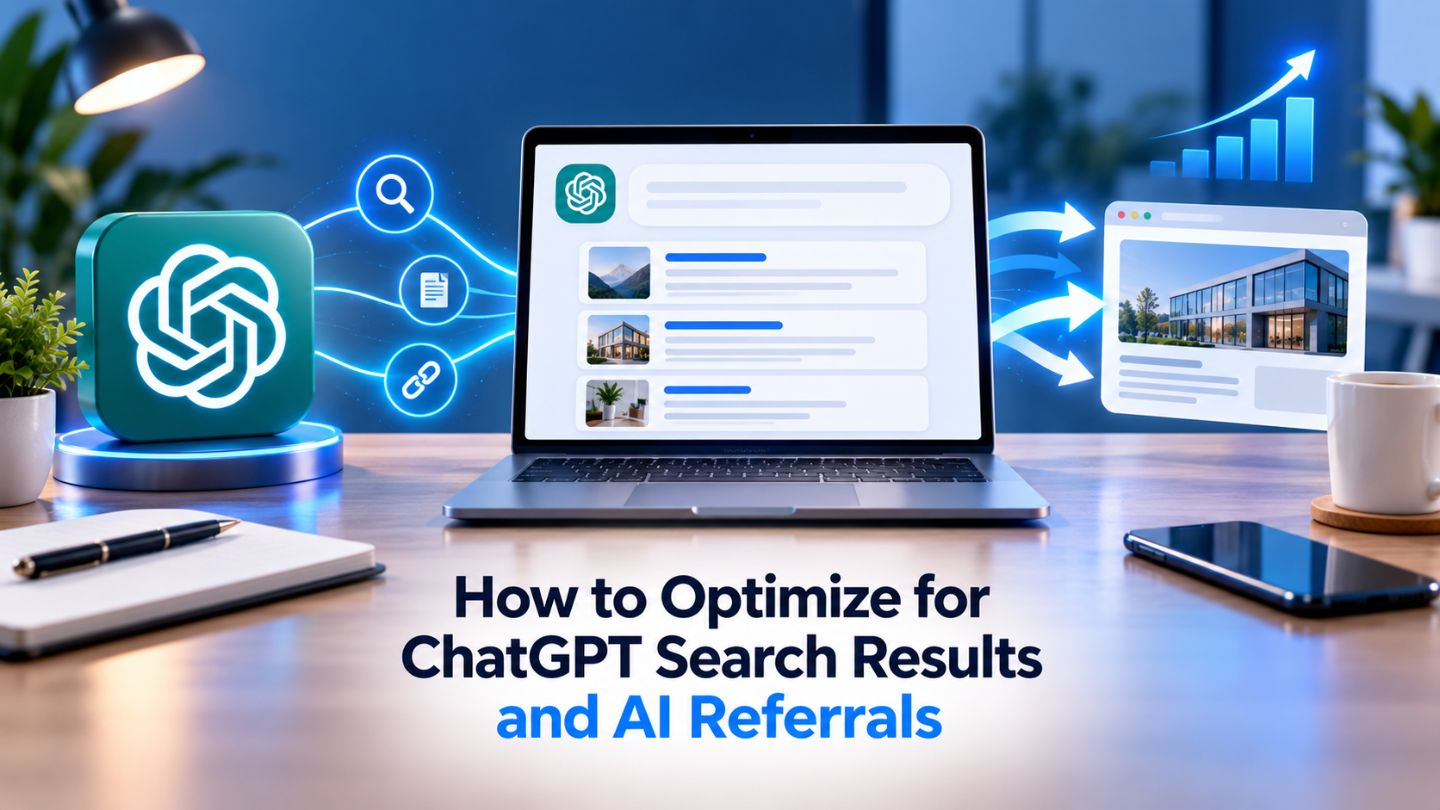
Referral traffic from AI assistants is small in volume and unusually high in intent, because someone arriving from a recommendation has already been told you are worth checking. Earning that mention works differently from ranking, and the differences are specific enough to be worth understanding properly. This blog outlines how these systems find and select sources, what actually improves your chances of being referenced, and how to measure something that barely registers in standard reporting.
Key Takeaways
- AI assistants select sources rather than ranking them in a list.
- Clear, extractable answers matter more than keyword targeting.
- Being mentioned across the wider web influences whether you get cited.
- Crawler access needs checking separately from traditional search bots.
- AI referral traffic is still relatively small for many sites, but some 2026 datasets show unusually strong engagement and conversion rates.
Selection Rather Than Ranking
Traditional search returns a list and lets the user choose. An assistant assembles an answer and names a small number of sources, which means there is no equivalent of being fourth. You are either included in the answer or absent from it entirely, and inclusion depends on whether your content supplies something the answer needs.
That changes the target. Optimizing for position is meaningless here; what matters is being the clearest available source for a specific claim. A page that states something plainly and verifiably is easier to cite than one that circles a topic without committing to an answer.
Making Content Genuinely Extractable

These systems work with passages rather than whole pages. A section that answers a question in its first sentence, then expands, can be lifted cleanly. A section that builds context for four paragraphs before arriving at the point cannot, regardless of how well written it is.
The practical habits are unglamorous: honest headings that describe what follows, answers stated up front, paragraphs that make sense in isolation, and specifics rather than generalities. Vague claims give a system nothing worth quoting. This is the same discipline behind writing for AI search without losing human readers, and it improves the page for people at the same time.
Being Consistently Described
How your business is characterized across the web influences how these systems describe you, and inconsistency produces vague or inaccurate summaries. A business described as three different things across its own site, its profiles, and third-party listings gives no clear picture to synthesize.
Settling on a consistent short description of what you do and who you serve, and using it across every property you control, gives the systems something coherent to work from. It is a small editorial decision with a disproportionate effect on how you get summarized. What these systems are building is an entity picture of your business, which is what entity SEO addresses directly.
Why Off-Site Mentions Matter Here
These systems draw on a broad picture of what exists about a subject, which means content referencing your business elsewhere influences whether you get named. Being cited in industry publications, discussed in relevant communities, and referenced in comparisons all contribute to being a recognizable option.
This is different from link building in that a hyperlink is not strictly required for a mention to count toward recognition. Being talked about matters. That makes activities like earning coverage, publishing data worth referencing, and participating visibly in your industry more valuable than their direct traffic would suggest, and it relates to how AI search systems discover content in the first place.
Check OAI-SearchBot Access Specifically
If ChatGPT Search visibility matters to you, confirm that OAI-SearchBot is not blocked in robots.txt and that your CDN, firewall, or bot-protection settings are not preventing access.
Read More: Robots.txt: SEO Landmine or Secret Weapon?
Freshness and Accuracy Carry Weight
Systems assembling answers prefer sources that appear current and verifiable, which makes outdated content a liability beyond its effect on readers. A page citing figures from several years ago, or describing a product version that no longer exists, is a riskier citation than one that is demonstrably current.
Keeping dates visible, updating statistics when they age, and removing claims that no longer hold is unglamorous maintenance with direct benefit here. It also protects against being cited inaccurately, which is worse than not being cited at all. Letting pages age unchecked is how content decay starts, and it costs more here than it does in conventional search.
Technical Access Is Not Automatic
Being crawlable by traditional search bots does not guarantee being accessible to the crawlers these assistants rely on. Different agents, different rendering behavior, and different handling of JavaScript-heavy pages mean a site can be well indexed conventionally and poorly readable here.
The check is straightforward: confirm your key pages render without depending on client-side execution, verify no rules are blocking the relevant agents, and make sure important content is not hidden behind interactions a crawler will not perform. Reviewing how to get a site indexed by ChatGPT search covers the specifics worth confirming.
Measuring Something This Small
Referral volume from assistants is typically low enough to disappear in a standard channel report, which leads businesses to conclude nothing is happening. Segmenting these referrers explicitly, and looking at conversion rate rather than session count, gives a much more accurate picture.
The other useful measurement is manual. Take the questions a prospect would ask before choosing a business like yours, run them through the major assistants periodically, and record whether you appear and how you are described. It is imprecise and considerably more informative than waiting for a traffic report to notice.
Where Being Named Actually Helps
The most valuable outcome is often not the click but the shortlist. Being named as an option when someone asks who provides a service in your area places you in consideration before any comparison begins, which is a position advertising has to pay for.
Read More: Answer Engine Optimization: How to Win Visibility in the Age of AI Search
That value does not appear in a traffic report and does show up in branded search volume and in what prospects say when they make contact. Asking new inquiries how they came across you catches this more reliably than any analytics configuration.
What This Does Not Change
Being cited does not lower the bar for the content itself. A visitor arriving on a recommendation still has to find a page that justifies it, and a thin page wastes the referral entirely. The citation gets you the visit; everything after that is the same work as always.
Nor does it replace conventional search as a traffic source. This is an additional surface with unusually good intent, not a substitute for the channels currently doing the volume. Treating it as a supplement rather than a pivot keeps the effort proportionate to what it realistically delivers.
Checking How You Are Being Described
Being cited is only useful if the description is accurate. Systems occasionally characterize a business using outdated information, or conflate it with a similarly named one, and neither error announces itself.
Running your own business name through the major assistants periodically, and reading the resulting description rather than just checking for presence, catches this while it is correctable. Where the description is wrong, the fix is usually publishing clearer current information rather than anything more exotic.
Where the Effort Is Best Spent Right Now

Given the volume involved, this does not justify displacing work on channels currently producing revenue. What makes it worth doing anyway is that most of the effort- clearer answers, self-contained sections, accurate current information- improves conventional search performance at the same time.
The only genuinely additional work is checking crawler access and periodically reviewing how you are described. Both are small, and doing them means you benefit if these surfaces grow rather than starting from scratch once they already have.
Earning Mentions Rather Than Rankings
Optimizing for AI assistants means being the clearest source rather than the highest-ranked one. State answers plainly and early, keep passages self-contained, earn mentions across the places your industry actually reads, and confirm the relevant crawlers can reach you at all. The traffic is small, and the intent is strong, so measure it by conversion rather than volume, and check manually rather than waiting for a report to reflect something this size.
At The Ocean Marketing, we build SEO strategies that account for where discovery is actually happening rather than only where it used to. Whether you need help restructuring content for extractability, auditing crawler access, or a free SEO audit to see where your site currently stands, our team can help. Contact us and let's work out where you're being left out.