
Boosting a post on LinkedIn turns an existing organic post into a paid promotion that reaches beyond your followers, and it is one of the simplest ways to put real budget behind content that is already working. The process takes only a few minutes. The decisions around it, which post to boost, who to target, how much to spend, are what determine whether the money is well spent, and those are what this guide focuses on.
Key Takeaways
- Boosting promotes an existing organic post to a wider paid audience.
- Boost posts that already performed well organically, not weak ones.
- Targeting decides whether your budget reaches people who actually matter.
- A clear objective is what lets you judge whether the boost worked.
- The mechanics are simple; the choices around them are the whole game.
What Does Boosting a LinkedIn Post Actually Do?
Boosting takes a post you have already published organically and puts paid budget behind it, extending its reach beyond the people who already follow you. It is the most accessible form of LinkedIn advertising, done directly from the post rather than through the full campaign manager, which makes it approachable for businesses that are not running complex ad operations.
The trade-off for that simplicity is less control than a full campaign offers, and for many businesses the simplicity is the point. If you want to amplify a strong post without building a campaign from scratch, boosting is the direct route, and it works best alongside broader work on optimizing your LinkedIn company page for more visibility so the profile people land on is worth the visit.
Which Post Should You Boost?
Boost a post that already earned engagement organically, because boosting amplifies whatever the post already does. Putting budget behind a post that resonated means paying to extend something that works, while boosting a weak post just pays to show more people something they will scroll past. The organic performance is your evidence that the message lands.
This argues for letting posts prove themselves first, then boosting the clear winners. Format plays into which posts tend to perform, so it is worth knowing how LinkedIn carousels compare to text posts for engagement before you decide what to put money behind.
Amplify Winners, Not Hopefuls
Boost posts that already proved they work. Boosting amplifies the result the post is already getting, so start from a result worth amplifying.
What Are the Steps to Boost a Post?
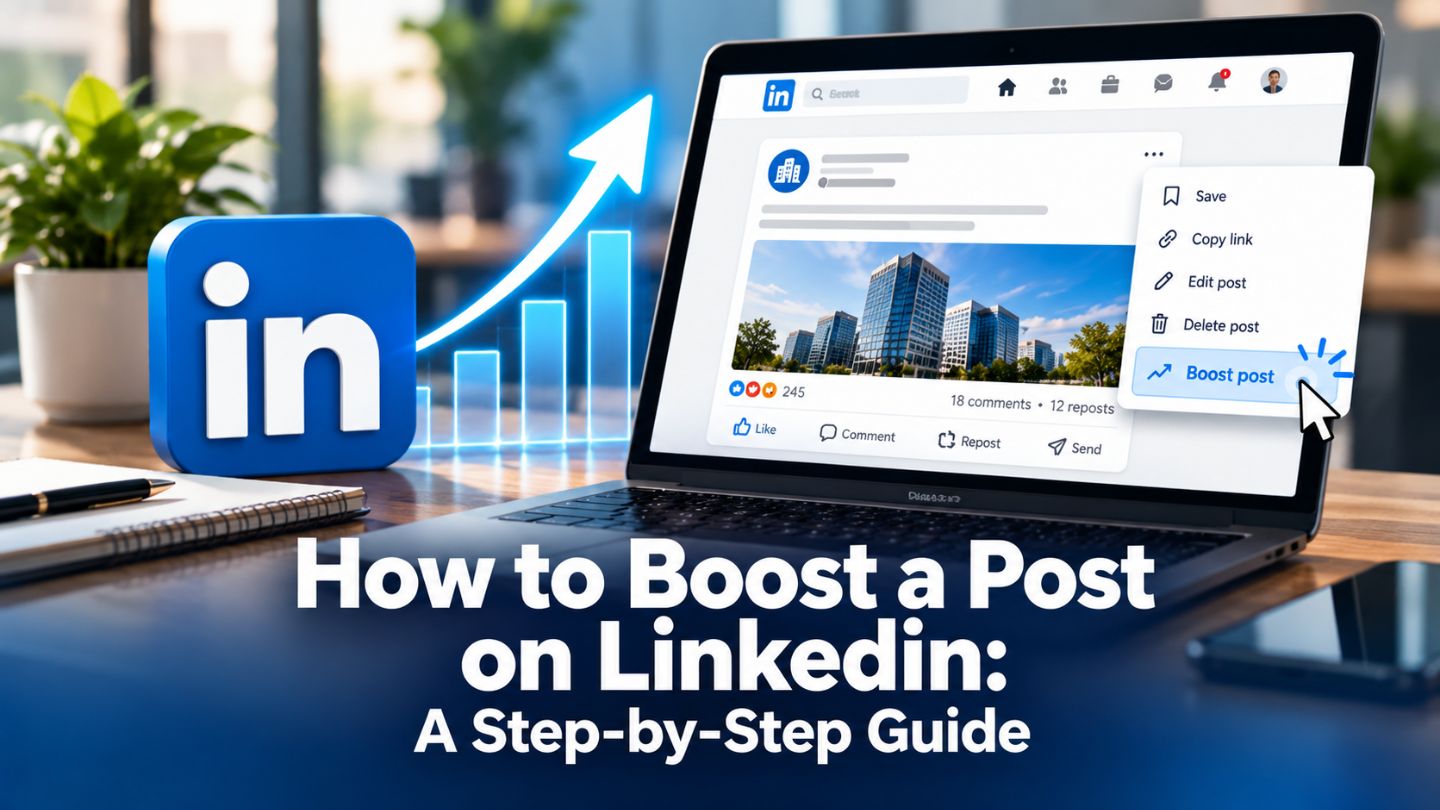
The steps are simple: from the post you want to promote, select the boost option, then work through the settings, defining your objective, choosing your audience, setting your budget and duration, and reviewing before launching. LinkedIn walks you through each step, so the process itself takes only a few minutes once you know what you want.
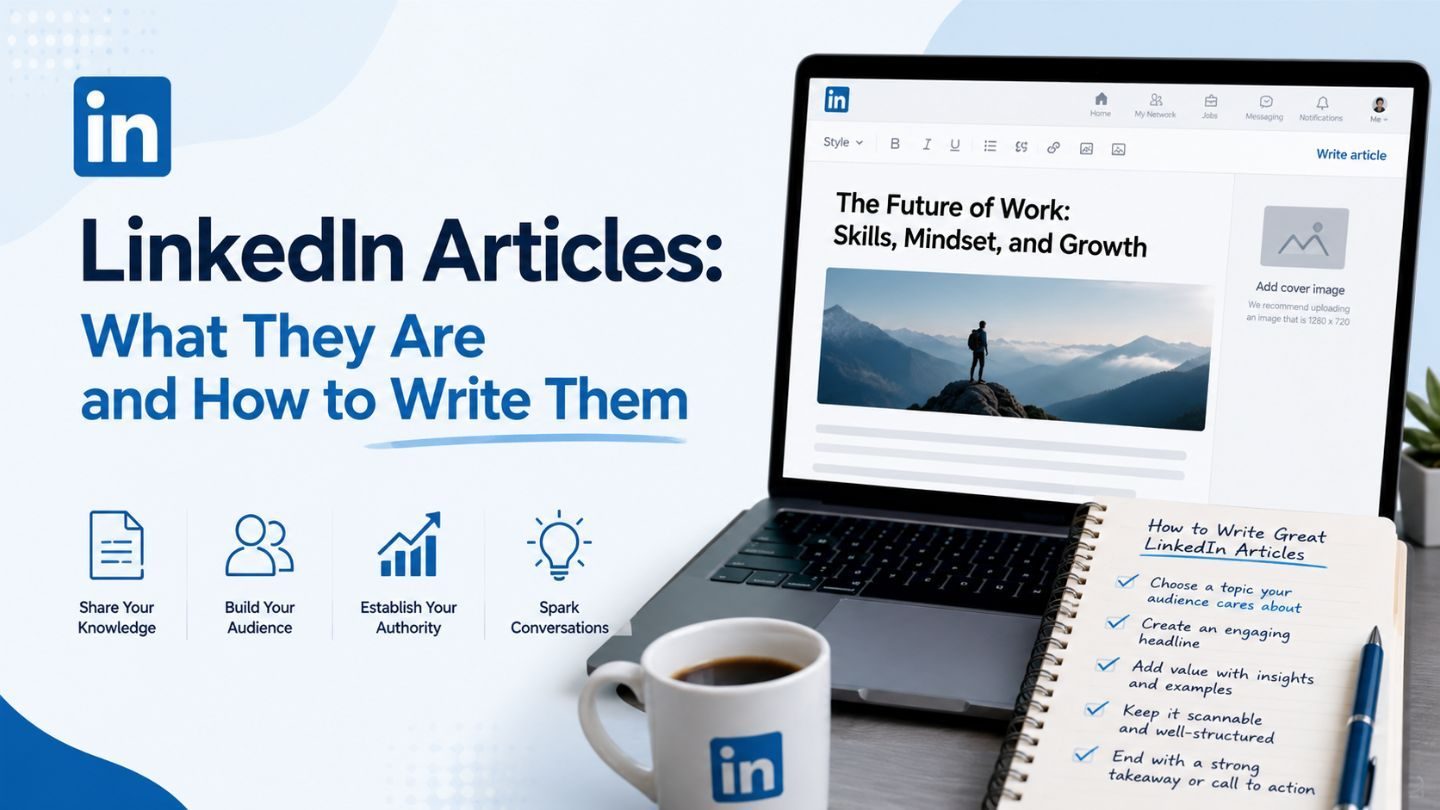
The important part is making deliberate choices at each step rather than accepting defaults. The objective, the audience, and the budget are decisions that shape the outcome, and if you have longer-form value to promote it is worth weighing the alternative of writing LinkedIn articles that build authority rather than boosting a short post that cannot carry the same depth.
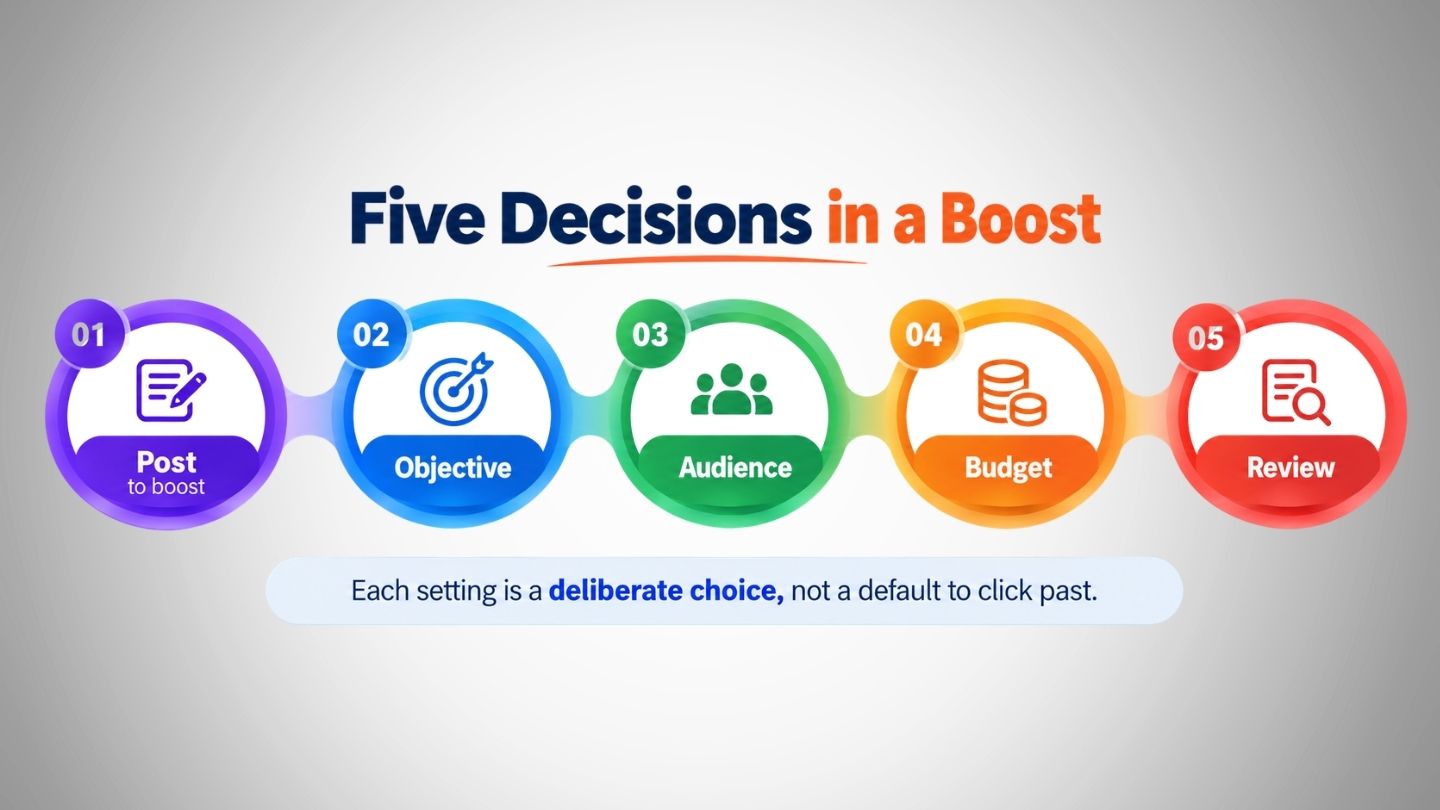
Boosting is quick; the value comes from deciding each of these settings deliberately.
How Do You Target the Right Audience?
You target the right audience by using LinkedIn's professional filters, job title, industry, company size, and seniority, to reach people who might actually care, rather than boosting broadly. LinkedIn's targeting is its real strength for business-to-business promotion, and a tight, relevant audience is where a boost earns its value.
The temptation is to target broadly to reach more people, and that usually wastes budget on people with no relevance to your offer. A well-chosen audience almost always outperforms a broad one for a boost, because every impression is more likely to reach someone who matters, and matching the audience to who the post is genuinely for is the core targeting decision.
How Should You Set the Objective and Budget?
Decide what you want the boost to achieve, more awareness, engagement, profile visits, or clicks, before you launch, because that objective shapes both the setup and how you judge success. A boost without a clear objective is impossible to evaluate, since you have no standard to measure the result against.
On budget, start small and treat the first boosts as tests. A modest budget on a strong post, with a clear objective and tight targeting, tells you whether boosting works for you before you commit more. Scaling what works is far wiser than committing a large budget before you know how your audience responds, and if organic reach is the real constraint, that is a separate problem from paid promotion.
Boosting LinkedIn Posts That Actually Pay Off

Boosting a LinkedIn post is simple to do and worth doing well, since the money only pays off when the decisions around it are right. Boost posts that already proved themselves organically, target a tight and relevant professional audience, set a clear objective so you can judge the result, and start with a modest budget you scale only once something works. The process takes minutes; the choices determine whether boosting amplifies something valuable or simply spends your budget showing more people a post that was never going to land.
At The Ocean Marketing, we help businesses get real returns from Social Media Marketing, including putting budget behind the content that genuinely deserves it. Whether you need help deciding what to boost, targeting the right professional audience, or a free SEO audit to see how your wider presence performs, our team can help. Contact us and let's make your LinkedIn spend work harder.
Frequently Asked Questions
Is boosting a LinkedIn post worth it?
It is worth it when you boost a post that already performed organically, target a relevant professional audience, and set a clear objective. Boosting amplifies whatever the post is already doing, so a strong post with tight targeting can be well worth the spend, while boosting a weak post rarely is.
How much should I spend to boost a LinkedIn post?
Start small and treat early boosts as tests. A modest budget on a proven post with a clear objective tells you whether boosting works for your audience before you commit more. Scale only what demonstrably works rather than committing a large budget up front.
What is the difference between boosting and a LinkedIn ad campaign?
Boosting is the simple version, done from the post itself with limited settings. A full campaign through the ad platform offers far more control over targeting, formats, and objectives. Boosting suits amplifying strong posts quickly; a campaign suits more complex goals that need that control.