Skip to content
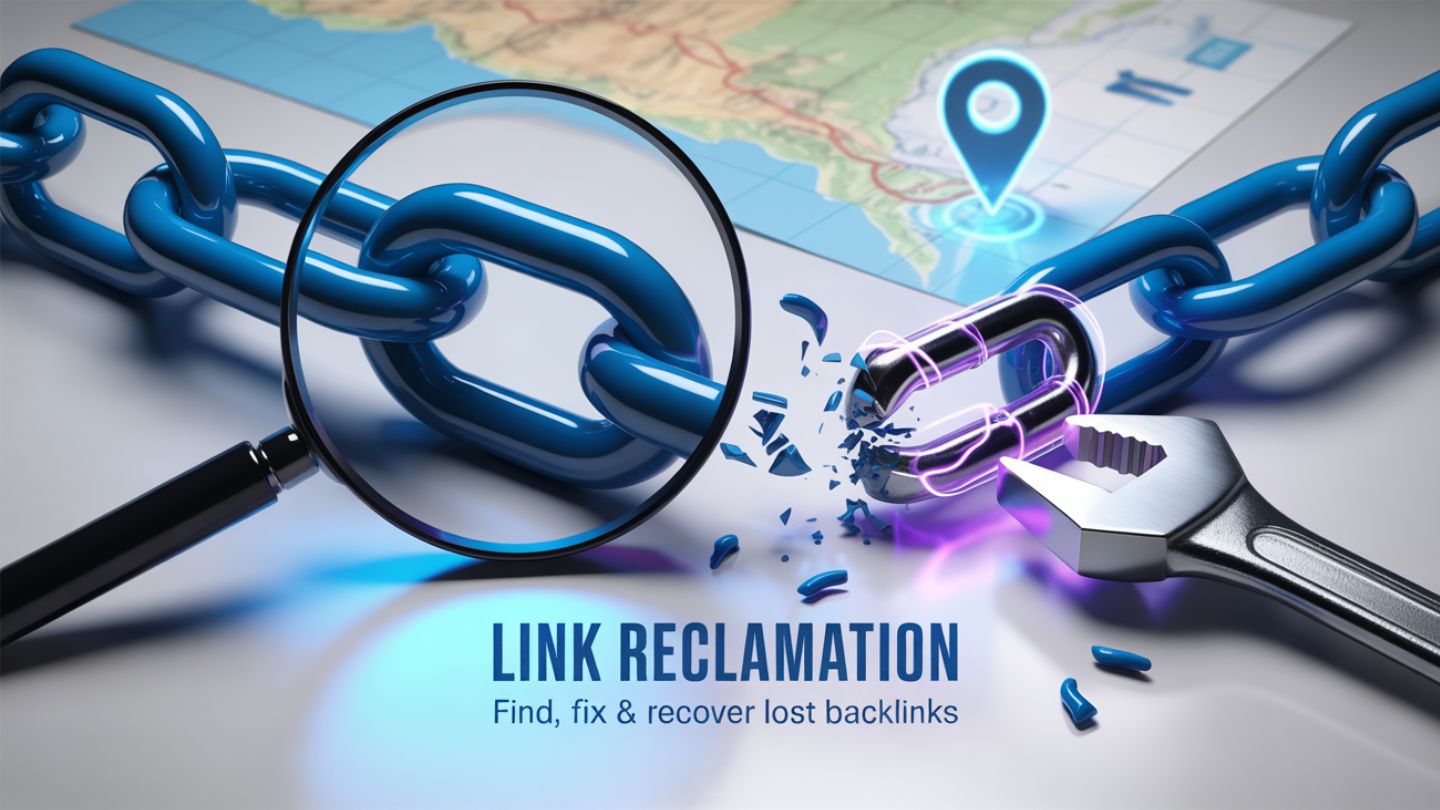
Backlinks play a crucial role in determining your website’s authority and search engine rankings. However, not all backlinks remain active forever. Over time, links can break, pages may get removed, or websites might change their structure, resulting in lost backlinks. This is where link reclamation becomes essential. Instead of constantly building new links from scratch, reclaiming lost ones allows you to recover valuable SEO equity that you have already earned. When done correctly, link reclamation is one of the most efficient strategies to strengthen your website’s performance and maintain consistent visibility in search results.
Key Takeaways
- Link reclamation for recovering lost backlinks
- SEO authority restoration through existing links
- Broken link identification and fixing strategies
- Outreach for reclaiming unlinked mentions
- Monitoring backlink health regularly
- Link Building improvement through recovery strategies
What Is Link Reclamation?
Link reclamation is the process of identifying and recovering backlinks that once pointed to your website but are no longer active. These lost links may have occurred due to deleted pages, URL changes, website migrations, or even simple technical errors.
Instead of investing all your efforts into acquiring new backlinks, link reclamation focuses on restoring the value of links you have already earned. Since these links were previously active, they are often easier to recover and can deliver quicker SEO benefits compared to new link acquisition strategies.
Why Link Reclamation Matters for SEO
Backlinks act as signals of trust and authority for search engines. When high-quality backlinks are lost, your website may experience a decline in rankings, traffic, and domain authority. Recovering these links helps regain that lost value without starting from zero.
Link reclamation is particularly effective because it targets existing relationships and previously established references. It ensures that your SEO efforts remain sustainable while minimizing wasted opportunities. Over time, this approach contributes to a stronger and more resilient digital presence.
Common Reasons Backlinks Get Lost
Understanding why backlinks disappear is the first step toward reclaiming them effectively. There are several common scenarios that lead to lost links.
Website redesigns, or migrations, often change URLs without proper redirects, causing links to break. Similarly, deleted or outdated content can result in pages no longer existing, leading to lost backlinks. In some cases, external websites may remove or update their content, unintentionally dropping your link.
Technical issues such as incorrect redirects, server errors, or changes in domain structure can also contribute to link loss. Identifying these causes helps you take targeted action to recover them.
How to Find Lost Backlinks

The process of link reclamation begins with identifying which backlinks have been lost. SEO tools such as Ahrefs, SEMrush, or Google Search Console provide detailed reports that highlight lost or broken links.
By analyzing these reports, you can determine which links were previously active and assess their value. This process becomes even more effective when you compare your backlink profile with competitor data using link Intersect to find competitors’ backlinks, helping you uncover missed recovery opportunities alongside lost links.
Regular monitoring is essential. Backlink profiles change constantly, so keeping track of lost links helps you act quickly before the impact becomes significant.
Fixing Broken Links on Your Website
Once you have identified lost backlinks, the next step is to fix any issues on your own website. Many lost links occur due to broken pages or incorrect URLs.
Implementing proper 301 redirects is one of the most effective solutions. Redirecting old URLs to relevant new pages ensures that both users and search engines can still access your content. This not only helps recover link equity but also improves user experience.
Additionally, restoring deleted content or updating outdated pages can help reclaim lost links. If a page previously attracted valuable backlinks, it is often worth bringing it back or creating a similar resource.
Reaching Out to Website Owners
In some cases, the issue lies with the linking website rather than your own. This is where outreach becomes important. Contacting website owners and informing them about broken or missing links can lead to successful reclamation.
The key is to approach outreach professionally and provide value. Instead of simply asking for a link, explain the issue clearly and offer the correct URL. If necessary, suggest updated content that fits their page better. Since these websites are previously linked to you, the chances of success are higher compared to cold outreach. Maintaining a polite and helpful tone increases the likelihood of getting your link reinstated.
Reclaiming Unlinked Brand Mentions
Not all opportunities involve lost backlinks; some involve mentions without links. Websites may reference your brand, products, or content without including a clickable link.
Identifying these unlinked mentions and requesting a link is another powerful form of link reclamation. Since the website is already familiar with your brand, converting these mentions into backlinks is often straightforward. Monitoring tools can help track brand mentions across the web, allowing you to identify and act on these opportunities efficiently.
Prioritizing High-Value Links
Not all backlinks carry the same weight. Some links have a stronger impact on your SEO performance due to their authority, relevance, and traffic potential. When reclaiming links, focus on those that provide the greatest value. High-authority domains, industry-relevant websites, and links that drive referral traffic should be prioritized, especially when you already know how to recognize high-quality backlinks that strengthen long-term SEO performance. This strategic approach ensures that your efforts are focused on maximizing results rather than spreading resources too thin.
Preventing Future Link Loss
While reclaiming lost links is important, preventing link loss in the first place is equally valuable. Implementing best practices can help maintain a stable backlink profile. Ensuring proper redirects during website updates, regularly auditing your backlinks, and maintaining high-quality content all contribute to long-term link stability. It is also important to monitor your profile for toxic backlinks and learn how to find and remove them, since harmful links can weaken the value of an otherwise healthy backlink strategy.
Integrating Link Reclamation into Your SEO Strategy

Link reclamation should not be treated as a one-time task. Instead, it should be integrated into your broader SEO strategy. Regular audits, consistent monitoring, and ongoing outreach ensure that your backlink profile remains strong. When combined with other SEO techniques, link reclamation enhances overall performance. It complements efforts such as content creation, technical SEO, and outreach campaigns, creating a well-rounded approach to improving search visibility. A balanced strategy that includes both new link acquisition and recovery ensures sustainable growth.
Final Thoughts
Link reclamation is a valuable SEO strategy that helps recover lost backlinks, restore authority, and strengthen your website’s overall search performance. By identifying broken links, fixing technical issues, reclaiming unlinked mentions, and prioritizing high-value backlinks, businesses can preserve the SEO value they have already earned instead of relying only on new link acquisition. A consistent link reclamation process supports better rankings, stronger visibility, and a more stable backlink profile over time.
At The Ocean Marketing, we understand how important effective link building is for long-term SEO success. From reclaiming lost backlinks to improving your backlink profile with the right strategies, our team focuses on building sustainable growth for your website. If you want to uncover missed opportunities and strengthen your online presence, a free SEO audit can help identify the areas that need immediate attention. Contact us today to get started and take the first step toward improving your website’s performance.