Skip to content
Search engines consider backlinks one of the most important signals when ranking websites. When high-authority websites link to your content, it tells search engines that your website provides valuable information. Because of this, businesses and marketers constantly look for strategies that attract natural backlinks. One of the most effective ways to do this is through infographic link building. Infographics combine data, storytelling, and visual design to create content that is both engaging and easy to share. Instead of presenting information through long paragraphs, infographics simplify complex topics into visual insights that readers can quickly understand. When properly designed and promoted, infographics can generate backlinks from blogs, news websites, and industry publications. This not only increases website authority but also drives referral traffic and improves overall SEO performance.
Key Takeaways
- Infographics make complex information easier to understand and share.
- High-quality infographics attract backlinks from blogs, media outlets, and industry websites.
- Research-based data increases credibility and encourages websites to reference your infographic.
- Strategic outreach and promotion are essential to maximize backlinks.
- Infographics can generate long-term SEO benefits by continuously attracting links and traffic.
Why Infographics Are Effective for Link Building
Infographics work exceptionally well for link building because they transform information into a format that people naturally want to share. Online readers are constantly exposed to large amounts of written content, so visual information stands out and captures attention more quickly.
Another major advantage is that infographics often present valuable statistics and research findings. Bloggers and journalists frequently search for reliable data to support their articles. When your infographic provides clear and credible information, other websites are more likely to reference it and include a backlink to your original page. This type of linking becomes especially powerful when the infographic is included naturally within related articles, because contextual link building that passes real SEO value tends to occur when links are placed inside relevant content rather than isolated sections of a page.
Infographics also make content easier to embed. Many website owners prefer adding visuals to their articles to make their content more engaging. When they embed your infographic with a source credit, you gain a backlink without having to create additional content for every website.
Because of this shareability, a single well-designed infographic can continue generating backlinks for months or even years after it is published. This makes infographic link building a long-term SEO asset rather than a short-term tactic.
Choosing the Right Topic for Your Infographic
The success of an infographic campaign largely depends on selecting the right topic. Not every subject will attract backlinks, so it is important to focus on topics that provide value to a broad audience.
Topics that perform well usually involve statistics, comparisons, trends, or step-by-step explanations. These formats naturally fit visual storytelling and are more likely to be referenced by other websites.
For example, an infographic that highlights industry statistics or market trends can quickly become a useful reference for bloggers writing related articles. Similarly, educational infographics that simplify complex topics often gain attention because they help readers understand difficult concepts more easily.
When choosing a topic, it is helpful to think about the type of information that journalists or bloggers would want to cite in their content. If the infographic answers common questions or presents interesting data, it has a much higher chance of earning backlinks. Understanding the difference between dofollow backlinks and nofollow backlinks also helps shape a stronger link-building strategy. While both types can drive traffic and visibility, dofollow links are typically the ones that pass ranking signals and strengthen overall domain authority.
Another important factor is relevance. The topic should align with your industry so that the backlinks you earn contribute to your overall SEO strategy.
Research and Data Collection for Credible Infographics
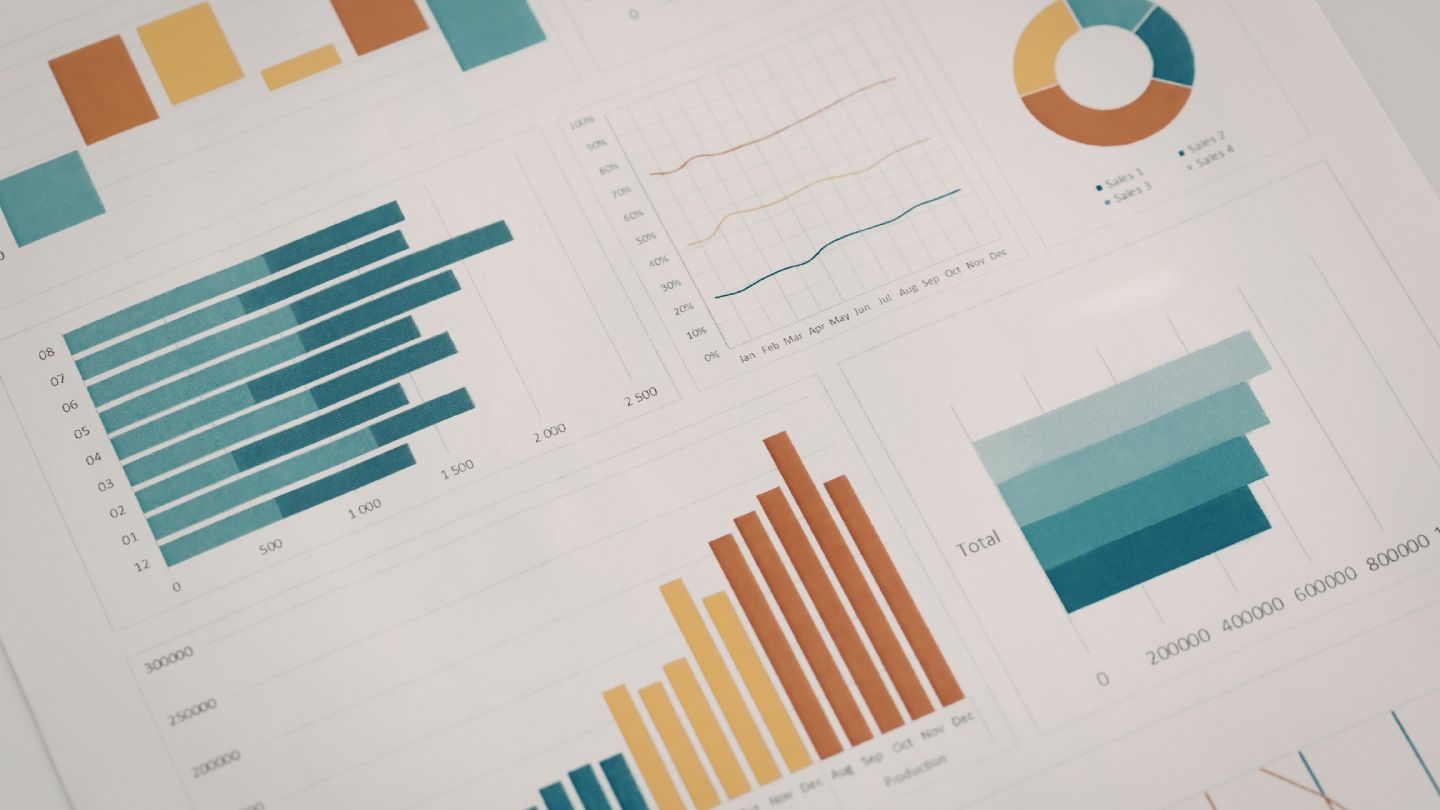
Data plays a critical role in the effectiveness of infographic link building. Without strong research, an infographic may look appealing but fail to attract links from credible sources. The most successful infographics are built around accurate, well-sourced information. This can include statistics from industry reports, academic research, government publications, or surveys conducted within your field.
Reliable data increases trust and encourages other websites to reference your infographic. When publishers know the information is accurate, they feel more confident sharing it with their audiences. In addition to credibility, well-organized data improves the storytelling aspect of the infographic. Instead of presenting isolated statistics, it is important to structure the information so that it flows logically from one point to the next. A strong infographic typically begins by introducing the topic, then presents supporting statistics, highlights key trends, and concludes with insights or predictions. This narrative structure helps readers follow the information easily and makes the infographic more memorable.
Designing an Infographic That Attracts Attention
Design quality has a significant impact on whether an infographic gains traction online. Even if the data is valuable, poor design can prevent the content from attracting attention. Effective infographics use a clear visual structure that guides readers from the top of the graphic to the bottom. This structure ensures that viewers understand the key message without feeling overwhelmed by information.
Colors, typography, and icons should remain consistent throughout the design to create a professional appearance. Charts and graphs can be used to present numerical data in a way that is easy to interpret, while icons help break up text and maintain visual interest.
Another important aspect of infographic design is simplicity. Overcrowding the design with too much information can make the graphic difficult to read. A successful infographic focuses on clarity and storytelling rather than excessive detail. Businesses that invest in professional design often achieve better results because high-quality visuals are more likely to be shared and referenced by other websites.
Publishing and Optimizing Your Infographic for SEO
Once your infographic is complete, publishing it on your website is the next crucial step. Instead of simply uploading the image, it should be accompanied by a detailed blog post that explains the information presented in the graphic. This supporting content helps search engines understand the context of the infographic and allows the page to rank for relevant keywords. The blog post can expand on the data, provide additional insights, and highlight the most important takeaways. Internal linking also plays an important role in helping search engines understand how your content connects across your website. When implemented strategically, internal linking structures that strengthen SEO and authority help distribute ranking signals between related pages and make it easier for search engines to crawl your content.
Providing an embedded code is also essential for link building. When bloggers or journalists want to use your infographic in their articles, the embed code makes it easy for them to include the graphic while linking back to your website as the source. Search engine optimization techniques such as descriptive file names, alt text, and optimized page titles can further improve the visibility of your infographic in search results.
Promoting Your Infographic to Earn Backlinks
Even the most impressive infographic needs promotion to reach the right audience. Outreach and distribution play a major role in generating backlinks. A good starting point is identifying websites and blogs that publish content related to your infographic topic. These websites are the most likely to share your graphics because it complements the information they already provide to their readers.
When reaching out to publishers, personalization is important. Instead of sending generic emails, explain why the infographic would benefit their audience and how it supports their existing content. Infographics also work well alongside other content-driven link-building strategies. For instance, brands often combine visual content with podcasts and interviews used as link-building assets, which can naturally generate backlinks when experts reference shared insights or data visualizations during discussions.
Social media platforms also help amplify the reach of your infographic. Visual platforms such as Pinterest, LinkedIn, and Instagram are particularly effective for sharing infographic content because they emphasize visual storytelling. Another useful strategy is submitting the infographic to visual content directories or communities that feature data visualizations. These platforms can introduce your content to new audiences and increase the chances of earning backlinks.
Long-Term SEO Benefits of Infographic Link Building

Infographic campaigns offer several long-term advantages that extend beyond immediate backlinks. Because infographics are informative and visually appealing, they often remain valuable resources for years. As more websites discover and reference the infographic, the number of backlinks grows over time. This gradual accumulation of links strengthens your website’s authority and helps improve rankings for related keywords.
Infographics also drive referral traffic from websites that embed the graphic in their articles. Readers who find the infographic interesting may visit your website to learn more about the topic, increasing overall engagement.
In addition to SEO benefits, infographic link building strengthens brand recognition. When audiences repeatedly encounter your visuals across multiple websites, your brand becomes associated with valuable insights and high-quality information. For businesses focused on long-term digital growth, infographics represent a sustainable content strategy that continues generating visibility and authority long after the initial publication.
Conclusion
Infographics are a powerful tool for building high-quality backlinks and improving SEO performance. By transforming valuable data into visually engaging content, businesses can create resources that other websites naturally want to reference and share. When paired with strong research, clear design, and strategic promotion, infographic campaigns can attract backlinks, increase referral traffic, and strengthen overall search engine rankings over time.
At The Ocean Marketing, we help businesses grow their online presence through strategic SEO and content marketing solutions. Our team focuses on building high-quality backlinks, improving website authority, and implementing proven strategies that help your website perform better in search engine results. By combining technical SEO, content optimization, and outreach strategies, we create sustainable growth that increases both visibility and organic traffic. If you want to improve your website authority and attract quality backlinks, contact us today for a free SEO audit and expert link-building strategies designed to boost your rankings and drive long-term organic growth.