Skip to content

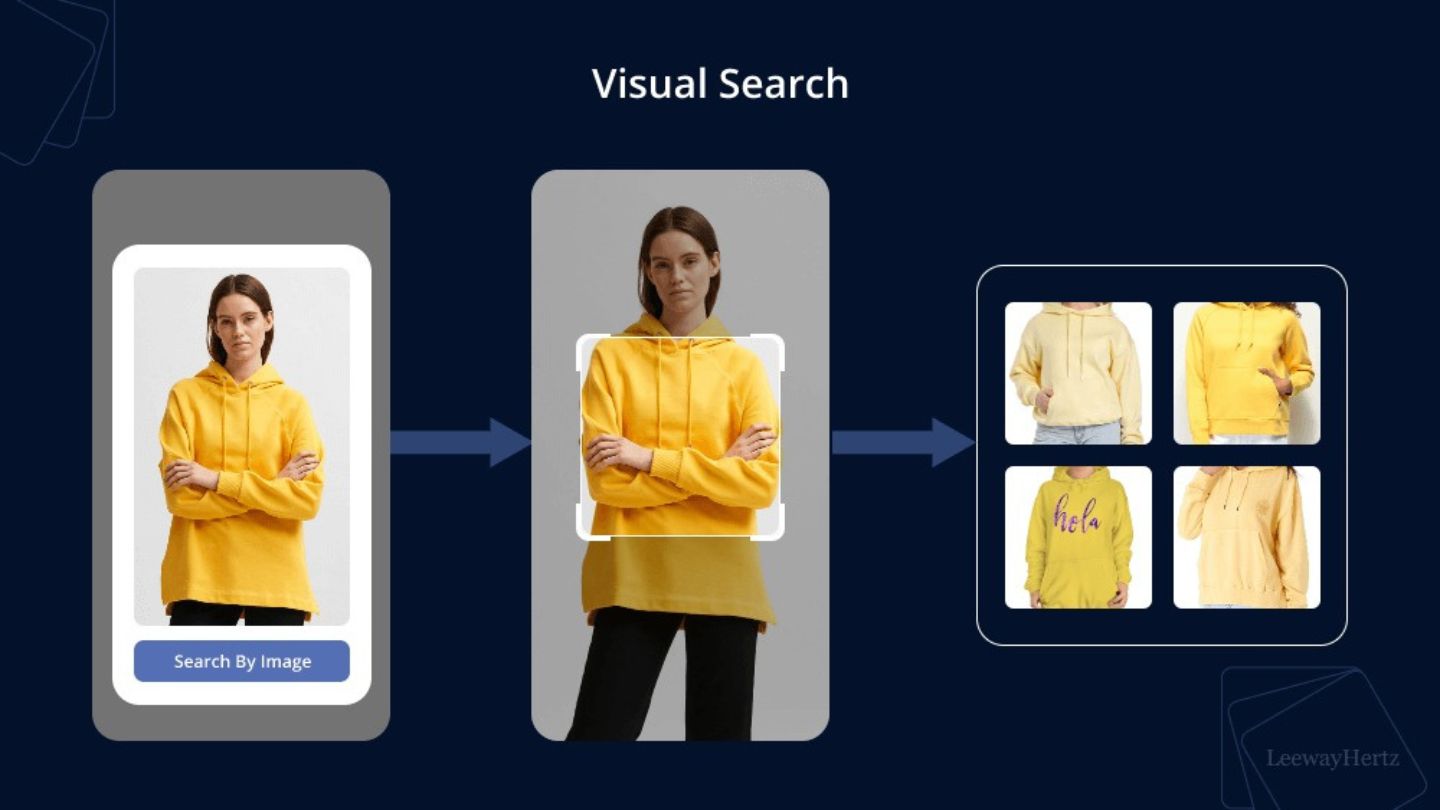
Search behavior is evolving rapidly. Users are no longer relying only on text to find what they want; they are increasingly searching with images. Platforms like Google Lens, Pinterest Lens, and Bing Visual Search allow users to upload or point their camera at an image and instantly discover related information, products, or websites. This shift has made Visual Search SEO a critical part of modern digital marketing strategies.
If your website relies on images to tell stories, showcase products, or drive conversions, optimizing them for visual search is no longer optional. In this blog, we’ll explore what visual search SEO is, why it matters, and how you can optimize images to improve visibility and rankings.
What Is Visual Search SEO?
Visual search SEO is the practice of optimizing images so that search engines can understand, index, and rank them accurately in visual-based search results. Unlike traditional SEO, which focuses heavily on keywords and text content, visual search SEO emphasizes image quality, context, structure, and relevance.
Search engines use artificial intelligence and machine learning to analyze visual elements such as shapes, colors, patterns, and surrounding text. The better your images communicate meaning to search engines, the higher the chances of appearing in image packs, Google Lens results, and product discovery searches.
Why Visual Search SEO Matters
Visual content plays a powerful role in how users interact with websites. Studies consistently show that pages with relevant images receive more engagement, longer dwell time, and higher conversion rates.
Here’s why visual search SEO deserves attention:
- Rising use of mobile and camera-based searches
- Improved product discovery for eCommerce
- Higher click-through rates from image results
- Better accessibility and user experience
- Competitive advantage in image-heavy industries
As visual search technology continues to improve, websites that fail to optimize images risk losing traffic to competitors who do.
Best Practices to Optimize Images for Visual Search SEO
1. Use High-Quality, Original Images
Search engines favor clear, sharp, and original visuals. Stock images that appear on hundreds of websites dilute relevance and uniqueness.
Focus on:
- High resolution without excessive file size
- Proper lighting and clarity
- Original photography whenever possible
- Consistent branding across images
Avoid overly compressed or blurry visuals, as they negatively impact both user experience and search visibility.
2. Optimize Image File Names Strategically
Before uploading images, rename files with descriptive, keyword-focused names. Generic filenames like IMG_1234.jpg offer no context to search engines.
Instead, use meaningful names such as:
- visual-search-seo-image-optimization.jpg
- ecommerce-product-image-white-background.png
Use hyphens between words and avoid keyword stuffing.
3. Write Accurate and Descriptive Alt Text
Alt text helps search engines understand what an image represents and improves accessibility for visually impaired users. Well-written alt text can significantly boost image rankings.
Best practices include:
- Clearly describing what’s in the image
- Using relevant keywords naturally
- Keeping it concise but informative
- Avoiding unnecessary filler words
Alt text should add value, not simply repeat keywords.
4. Surround Images with Relevant Context
Search engines don’t evaluate images in isolation. They analyze the surrounding text, headings, captions, and page topic to determine relevance. Structuring content using a strong topic cluster SEO strategy helps reinforce contextual signals and improves how search engines interpret both images and supporting content.
To improve visual search performance:
- Place images near related content
- Use descriptive captions when appropriate
- Align images with the page’s primary intent
- Ensure consistency between text and visuals
Strong contextual signals help search engines match images to visual queries more accurately.
5. Implement Structured Data for Images
Schema markup provides additional information about images, especially for products, recipes, and articles. Structured data helps search engines understand attributes such as pricing, availability, and brand details.
For image-heavy pages:
- Use Product schema for eCommerce images
- Add ImageObject schema where applicable
- Ensure structured data matches on-page content
This improves eligibility for rich results and visual search features.
6. Optimize Image Size and Loading Speed
Page speed is a ranking factor, and images often contribute the most to slow load times. Optimizing image performance benefits both SEO and user experience.
Key optimization techniques include:
- Compressing images without sacrificing quality
- Using next-gen formats like WebP
- Implementing lazy loading
- Serving responsive images for different devices
Fast-loading visuals reduce bounce rates and improve engagement signals.
7. Use Consistent Image Styling and Backgrounds

For product-focused websites, consistent image presentation improves recognition in visual search tools.
Best practices include:
- Clean or white backgrounds for products
- Uniform angles and framing
- Consistent lighting and sizing
- Clear focus on the subject
This consistency helps search engines identify and categorize visual elements more effectively.
8. Create Image Sitemaps
Image sitemaps make it easier for search engines to discover and index your visual content, especially if images are loaded dynamically.
An image sitemap should include:
- Image URLs
- Captions or titles
- Licensing information if applicable
Submitting an image sitemap through Google Search Console improves indexing accuracy.
9. Optimize for Mobile Visual Search
Most visual searches happen on mobile devices. If your images are not mobile-friendly, you’re missing valuable opportunities. Following mobile-first breadcrumb SEO improves navigation, enhances usability, and supports better visual search performance on smaller screens.
Ensure that:
- Images scale properly across screen sizes
- Touch-friendly interactions are smooth
- Page layouts remain visually clear on smaller devices
Mobile optimization plays a crucial role in visual search success.
Measuring the Impact of Visual Search SEO
Tracking performance helps refine your image optimization strategy. Understanding the benefits of regular rank tracking for SEO growth allows businesses to monitor image impressions, organic traffic from image search, engagement on image-heavy pages, and conversions influenced by visual content. Monitor metrics such as:
- Image impressions and clicks in Google Search Console
- Organic traffic from image search
- Engagement rates on image-heavy pages
- Conversion performance influenced by visuals
Continuous optimization ensures long-term visibility and growth.
Final Thoughts
Visual search is reshaping how users discover content online by shifting the focus from text-based queries to image-driven results. By optimizing images with the right intent, contextual relevance, and performance best practices, businesses can improve search rankings, attract qualified organic traffic, and deliver a more engaging user experience. Visual Search SEO goes beyond aesthetics; it ensures images are discoverable, understandable, and valuable to both users and search engines.
At The Ocean Marketing, we understand how SEO continues to evolve alongside emerging technologies like visual search. Our SEO-focused approach combines technical optimization with creative strategy to help brands improve image visibility, enhance overall site performance, and stay competitive in search results. From structured data to image performance and contextual relevance, we align every element with measurable SEO outcomes. If you’re looking to improve image rankings, drive sustainable organic growth, and stay ahead of changing search trends, let our team help. Start with a Free SEO Audit to uncover opportunities and gaps in your current strategy. Contact us today or request your audit.