Skip to content
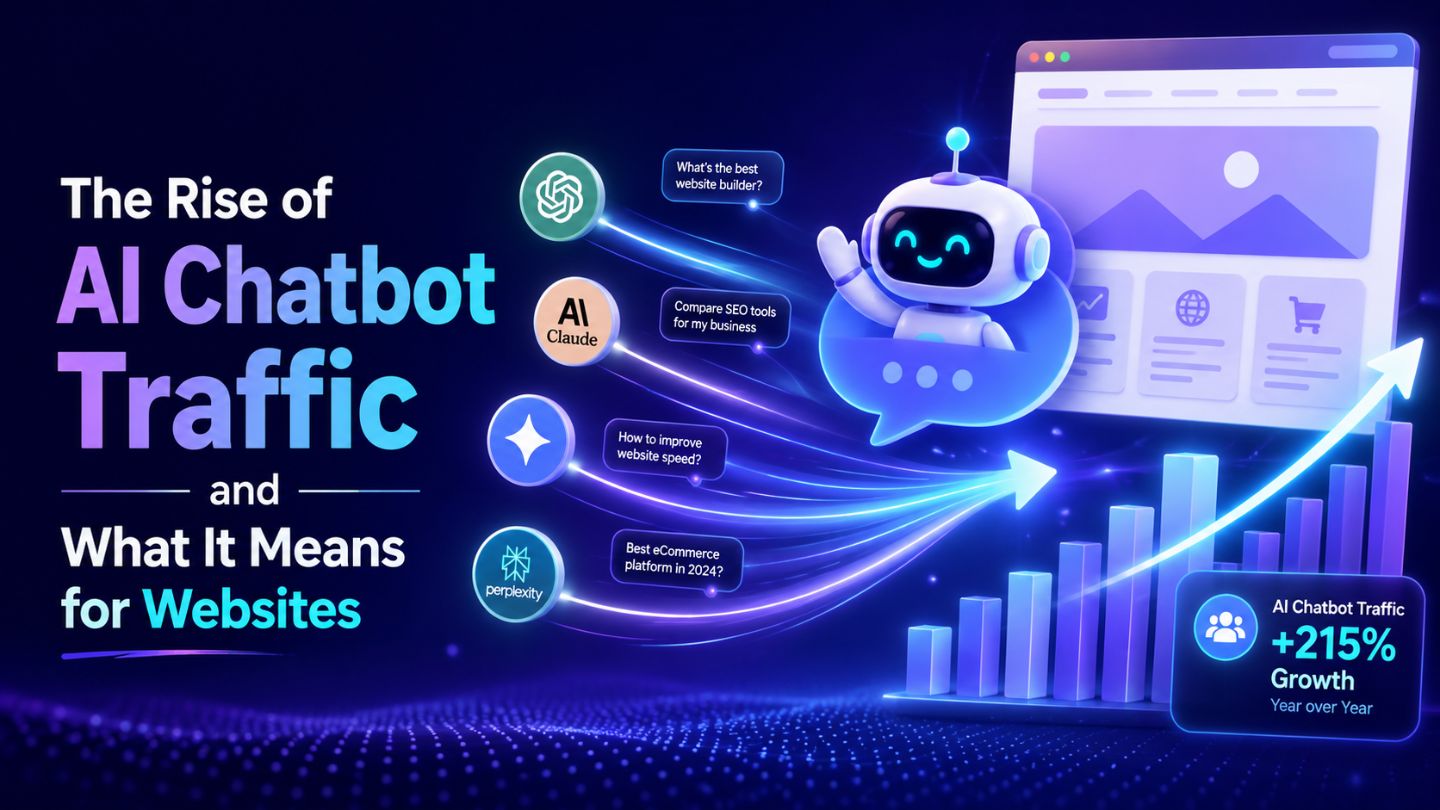
Search behavior is changing faster than many businesses realize. Instead of typing questions into search engines, people are increasingly turning to AI chatbots for answers, recommendations, and research. As tools like ChatGPT, Gemini, Claude, and other AI assistants become part of everyday workflows, websites are beginning to see a new source of visitors: AI chatbot traffic. This shift matters because it changes how users discover content and interact with brands online. In this blog, we’ll discuss how AI chatbot traffic is growing, why it matters for website owners, and what businesses can do to stay visible in an AI-driven search environment.
Key Takeaways
- AI chatbots are becoming a growing source of website referrals.
- User discovery habits are expanding beyond traditional search engines.
- Content quality and authority matter more than ever.
- AI-generated answers can influence website traffic patterns.
- Businesses should adapt their SEO strategies to remain visible.
- Measuring AI referral traffic is becoming increasingly important.
Why AI Chatbot Traffic Is Growing So Quickly
For years, search engines were the primary gateway to information online. Users entered keywords, reviewed search results, and clicked through to websites. Today, AI assistants offer a different experience. Instead of presenting a list of links, they provide direct answers, summaries, and recommendations within a conversational interface. This convenience is driving adoption across industries.
Students use AI tools for research, professionals use them for productivity, and consumers use them to compare products and services. As these platforms continue to improve, users are spending more time interacting with AI assistants before visiting a website. That behavior naturally creates a new traffic channel that many organizations are only beginning to recognize. This shift is closely tied to how AI search traffic is changing the way users discover online content before they ever land on a website.
The Difference Between AI Traffic and Traditional Search Traffic
Traditional search traffic typically follows a predictable path. A user enters a query, scans search results, and chooses a website to visit. AI-driven discovery works differently because the chatbot often acts as an intermediary between the user and the source material.
Instead of clicking through multiple pages, users may receive a summarized answer with one or several cited sources. When a chatbot references your content, visitors arriving from that source are often highly informed and closer to taking action. This can lead to different engagement patterns compared to conventional search traffic, including longer session durations and more focused user intent.
How AI Assistants Decide Which Sources to Reference
Many website owners wonder why certain pages are cited by AI tools while others are ignored. Although every AI platform uses its own systems and data sources, several common themes continue to emerge. Content that demonstrates expertise, provides clear answers, and covers topics comprehensively tends to perform better. AI systems are designed to identify information that appears reliable and useful.
Pages with strong authority signals, structured information, and valuable insights often have a greater chance of being referenced. While there is no guaranteed formula, creating genuinely helpful content remains one of the most effective ways to improve visibility in both traditional search and AI-powered discovery environments. For businesses trying to earn more visibility, understanding how Google chooses sources for AI-powered search answers can make content planning more strategic.
Signals That Often Help Content Stand Out
- Clear topic coverage
- Accurate and trustworthy information
- Strong website authority
- Well-organized page structure
- Updated and relevant content
- Positive user engagement signals
What This Means for Website Visibility
The rise of AI chatbot traffic is expanding the definition of online visibility. Ranking on search engines remains important, but businesses must also consider how their content is represented within AI-generated responses. Being discoverable is no longer limited to appearing on the first page of search results.
This shift creates both opportunities and challenges. Websites that consistently publish authoritative content may gain exposure through AI citations and recommendations. On the other hand, businesses relying solely on traditional ranking tactics may find it harder to maintain visibility if user behavior continues moving toward conversational search experiences.
Read More: Citation SEO: How to Become a Trusted Source in AI Search
The Quality-Over-Quantity Shift in Content Strategy

One noticeable trend associated with AI-driven discovery is the growing importance of content quality. Publishing large volumes of content without delivering real value is becoming less effective. AI systems are increasingly designed to surface information that answers questions thoroughly and accurately.
As a result, businesses may need to rethink how they create content. Instead of focusing exclusively on keywords and page counts, organizations should prioritize expertise, clarity, and usefulness. Content that solves problems and addresses user intent has a stronger chance of being cited, shared, and trusted by both users and AI platforms.
Why User Intent Matters More Than Ever
AI conversations often begin with highly specific questions. Users aren’t simply searching for broad topics; they’re looking for direct solutions, recommendations, comparisons, and guidance. This means content must align closely with what people actually want to know. Understanding user intent helps businesses create resources that answer real questions rather than targeting isolated keywords. When content addresses the needs behind a search query, it becomes more useful to readers and more likely to be surfaced by AI systems seeking relevant information.
Measuring AI Referral Traffic
One challenge many marketers face is identifying and measuring traffic from AI platforms. Traditional analytics systems were built around search engines, social media, and direct visits. AI referrals are still evolving, making tracking more complex. However, analytics tools are gradually providing better visibility into referral sources. Businesses should regularly review referral reports, traffic patterns, and user behavior metrics to identify potential AI-driven visits. Monitoring these trends can help organizations understand how users are discovering their content and where future opportunities may exist.
Metrics Worth Monitoring
- Referral traffic sources
- Organic search performance
- Engagement rates
- Time on page
- Conversion rates
- Returning visitor behavior
The Future of SEO in an AI-Driven Landscape
SEO is not disappearing, but it is evolving. Search optimization has always adapted to changes in technology, user behavior, and search engine algorithms. The rise of AI assistants represents another significant shift in how information is discovered and consumed. Successful SEO strategies will likely focus even more on expertise, trustworthiness, content depth, and user experience.
Businesses that create genuinely valuable resources will be better positioned to earn visibility across both traditional search results and AI-generated recommendations. Rather than viewing AI as a threat, organizations can treat it as an additional opportunity to connect with audiences. This is also where Answer Engine Optimization helps brands stay visible in AI search as users move toward more conversational discovery.
Read More: E-E-A-T Optimization: How to Build Authority in Your Niche
Building a Website That AI and Users Trust

Trust is becoming one of the most valuable assets in digital marketing. Whether a visitor arrives through Google, Bing, ChatGPT, Gemini, or another AI assistant, the expectation remains the same: accurate information and a positive user experience. Building trust requires consistency. Businesses should focus on publishing credible content, maintaining website performance, updating outdated information, and demonstrating industry expertise. These efforts not only improve user satisfaction but also strengthen the signals that help AI systems identify reliable sources worth referencing.
Final Thoughts
AI chatbot traffic is no longer a future trend- it’s already influencing how people discover information online. As conversational AI becomes more integrated into daily life, businesses must pay attention to changing user behaviors and evolving traffic patterns. Websites that prioritize valuable content, user intent, and credibility will be better positioned to benefit from this shift while maintaining strong visibility across multiple discovery channels.
As AI continues to reshape digital marketing, a strong SEO strategy remains essential for long-term growth. At The Ocean Marketing, we help businesses adapt to changing search trends and improve online visibility. If you’d like to understand how your website is performing and uncover new opportunities, request a free SEO audit or contact us to learn how we can support your digital growth.