
Orphan pages are one of the most overlooked technical SEO issues that can quietly affect a website’s search performance. Even when a page contains valuable content, it may struggle to rank if it is not connected through internal links. Search engines rely on links to discover, crawl, and understand the importance of web pages within a site structure. This blog outlines what orphan pages are, why they negatively impact SEO, how they affect user experience, and the best ways to identify and fix them. Understanding these hidden issues can help businesses build a stronger and more search-friendly website structure.
Key Takeaways
- Orphan pages are web pages with no internal links pointing to them
- Search engines struggle to discover and index isolated pages
- Unlinked pages often receive lower authority and reduced visibility
- Poor internal linking weakens website structure and user navigation
- Orphan pages can negatively affect crawling efficiency and SEO performance
- Regular audits help identify hidden pages across a website
- Strategic internal linking improves ranking potential and user experience
- Updating navigation and content hubs can prevent orphan pages
What Are Orphan Pages in SEO?
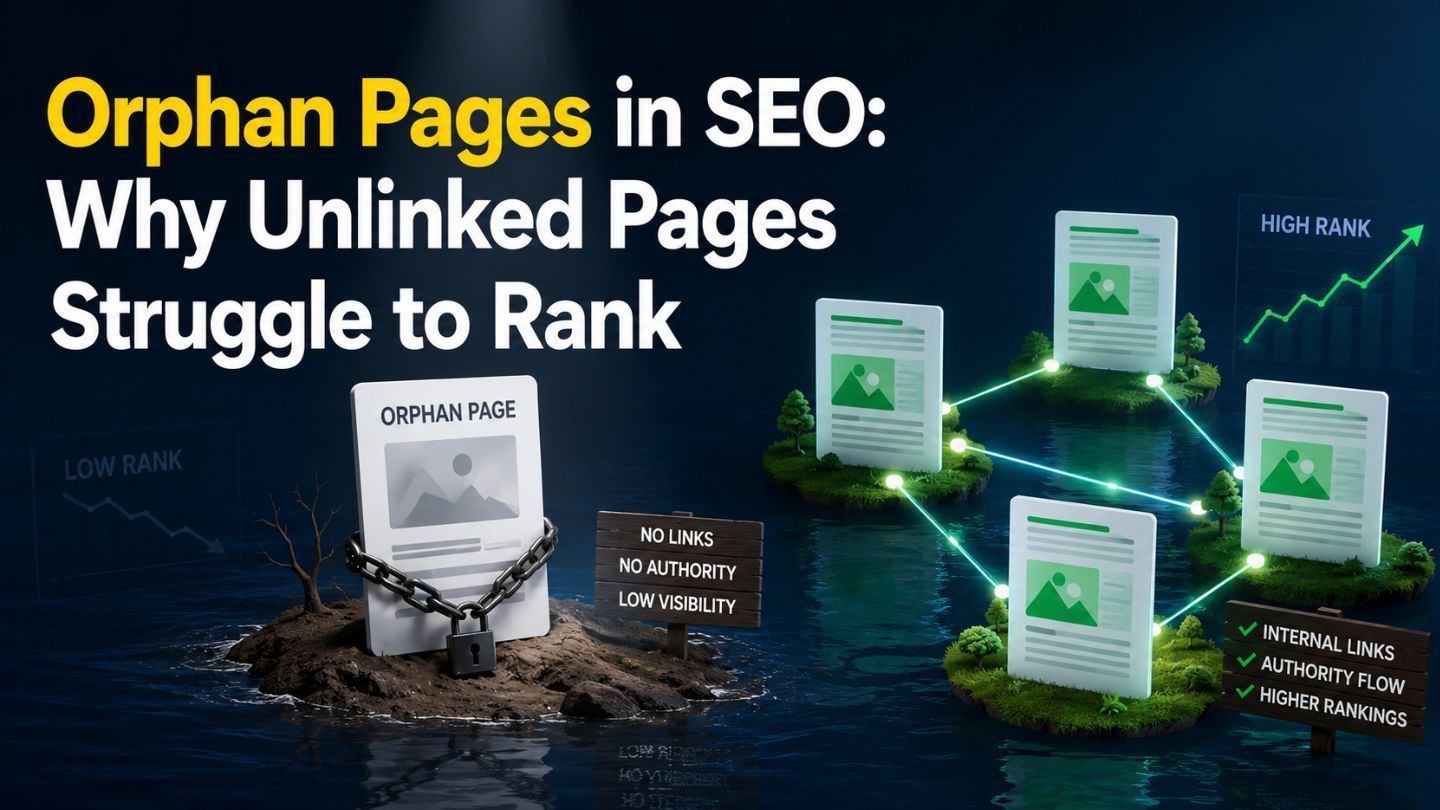
Orphan pages are pages on a website that lack internal links pointing to them. Even though these pages may technically exist on the website, they become isolated because they are disconnected from the overall site structure. A page may still appear in search results if it is included in a sitemap or receives external backlinks, but without internal links, its visibility and authority remain limited.
These pages often occur accidentally during website redesigns, content migrations, or blog updates. Businesses sometimes publish pages and forget to connect them to categories, service pages, or existing content. As websites grow larger, managing internal linking becomes more difficult, leading to hidden pages that search engines cannot efficiently discover. This creates missed opportunities for traffic, engagement, and conversions.
Why Internal Linking Matters for SEO
Internal linking helps search engines understand the relationship between different pages on a website. When pages are properly linked together, crawlers can move through the site more efficiently and identify which content is most valuable. Internal links also distribute authority across the website, helping important pages gain better visibility in search engine rankings. A strong internal structure helps connected pages support one another, making internal linking for SEO an important part of improving crawlability and page authority.
From a user perspective, internal links improve navigation and keep visitors engaged for longer periods. A well-structured website guides users toward related information, products, or services naturally. Without internal links, visitors may never discover useful pages, resulting in higher bounce rates and weaker engagement metrics that can indirectly affect SEO performance over time.
How Search Engines Discover Website Pages
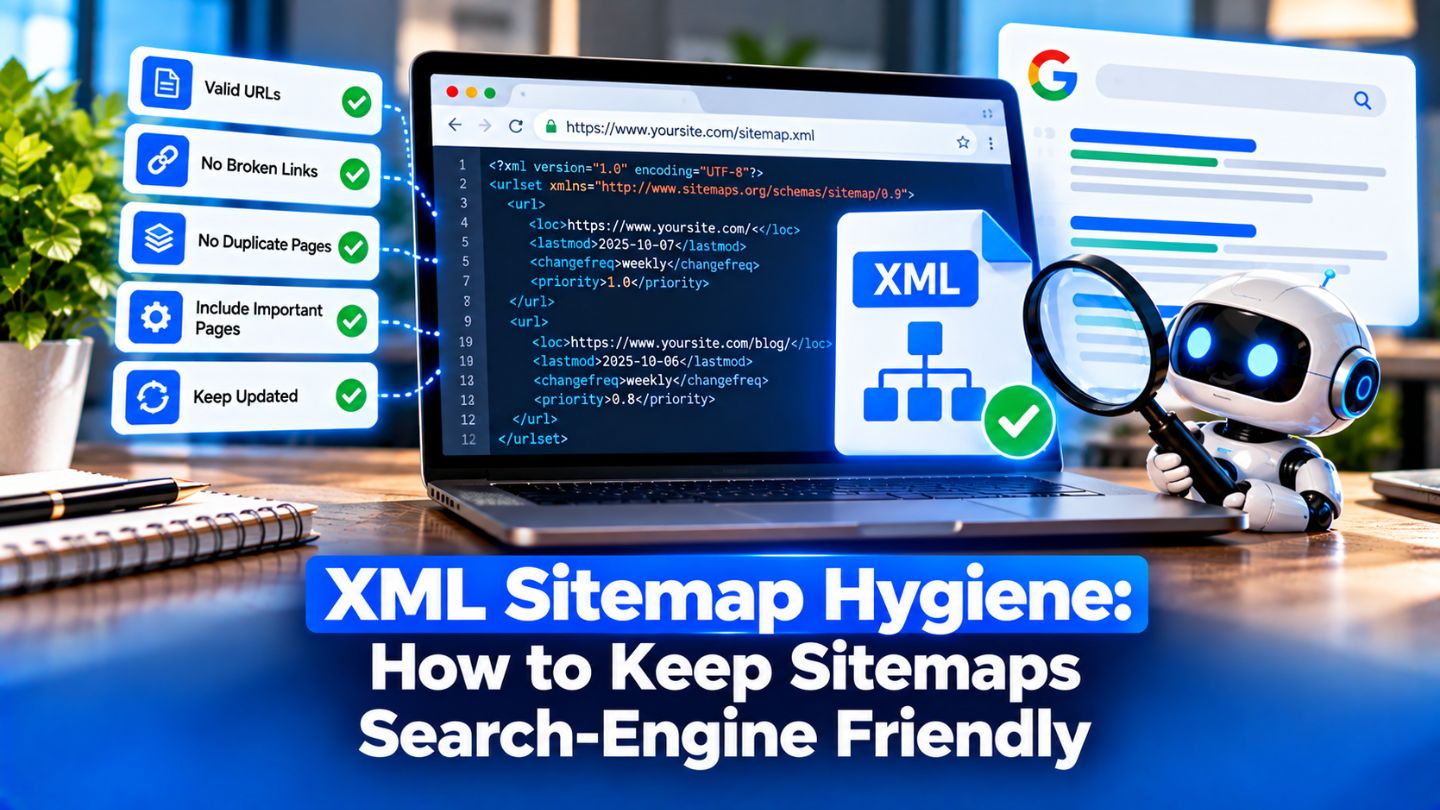
Search engines primarily discover pages by following links. Crawlers move from one page to another through internal and external links, creating a map of the website structure. When a page has no internal connection, crawlers may overlook it entirely unless it appears in an XML sitemap or is linked externally from another website. Even if search engines eventually find an orphan page, they may not treat it as important because there are no contextual signals from other pages. Internal links act as recommendations within a website. When multiple pages point toward a specific page, search engines interpret it as valuable content. Orphan pages miss out on this advantage, making it harder for them to compete in search rankings.
Read More: Internal vs External Links: Understanding Link Equity Distribution
The SEO Problems Caused by Orphan Pages
Orphan pages weaken a website’s SEO strategy because they interrupt the flow of authority and indexing efficiency. Search engines allocate a crawl budget to websites, meaning they spend limited resources crawling pages. When orphan pages exist, crawlers may fail to prioritize them, leading to poor indexing and reduced visibility in search results. These pages can also create inconsistent user experiences. Visitors may land on orphan pages from external sources, but struggle to navigate to related content because there are no supporting internal links. This lack of connection reduces engagement and limits the ability to guide users through a conversion funnel. Over time, orphan pages become underperforming assets that provide little value to the overall website strategy.
Common Causes of Orphan Pages
One of the most common causes of orphan pages is website redesigns. During structural updates, URLs may remain active while their internal links are removed unintentionally. Similarly, content management system changes, or migrations, can break existing navigation pathways, leaving valuable pages disconnected from the main website. Another frequent cause is publishing content without a proper linking strategy. Blogs, landing pages, and promotional pages are sometimes created for campaigns but never linked from categories, menus, or related articles. As businesses continue adding content without conducting regular audits, these isolated pages accumulate and weaken the overall structure of the website.
How Orphan Pages Affect User Experience

A strong website structure should guide users naturally from one page to another. Orphan pages disrupt this journey because they lack clear navigation paths. Users who land on these pages may not know where to go next, which can increase frustration and reduce the likelihood of further interaction with the website. Additionally, orphan pages often feel disconnected from the rest of the website experience. Without links to related resources, products, or services, users miss opportunities to explore additional content. This can lower session duration and reduce conversion potential. A connected website structure creates a smoother experience that encourages visitors to stay engaged longer.
Identifying Orphan Pages on Your Website
Finding orphan pages requires a combination of technical analysis and website auditing tools. SEO crawlers can compare website URLs against XML sitemaps and analytics data to identify pages that exist but lack internal links. Google Analytics and Search Console can also help uncover pages receiving traffic despite having no navigational connections. Website owners should review recently published content, archived pages, and older landing pages regularly. Sometimes orphan pages continue generating traffic but remain disconnected from updated website structures. Identifying these pages early allows businesses to reconnect them strategically and improve both visibility and usability.
The Relationship Between Site Architecture and Orphan Pages
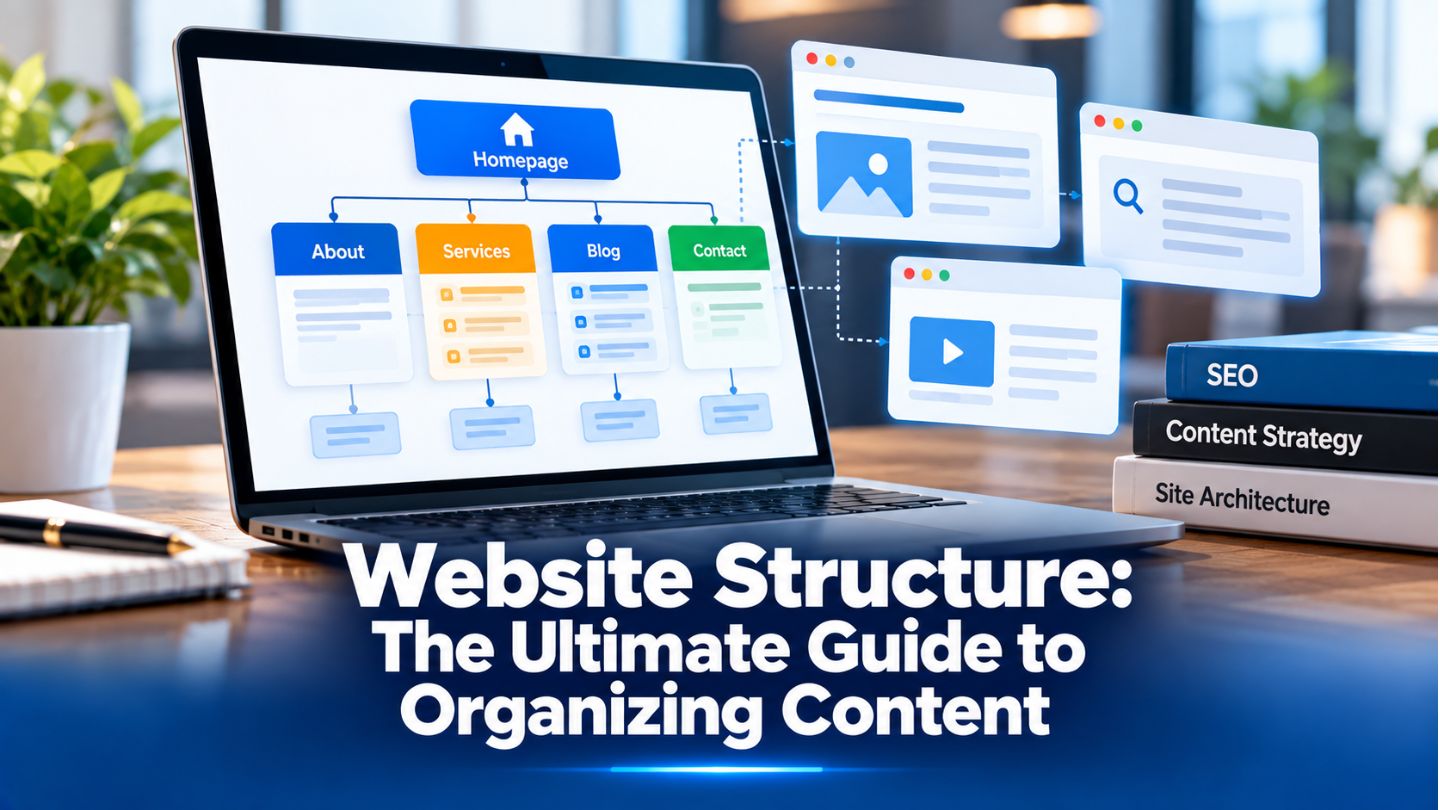
Website architecture plays a major role in preventing orphan pages. A clear structure organizes pages into categories, subcategories, and interconnected content hubs that make navigation easier for both users and search engines. When architecture is poorly planned, pages can become isolated as new content is added inconsistently. Strong site architecture ensures that every important page is reachable within a few clicks from the homepage.
This is why click depth in SEO matters, as pages buried too deep in the structure may receive less visibility from both users and search engines. This improves crawlability and distributes authority evenly across the website. Businesses with organized navigation systems are less likely to create orphan pages because their content follows a logical and connected hierarchy.
Best Practices to Fix Orphan Pages
The most effective solution for orphan pages is building relevant internal links from authoritative pages on the website. Linking from blogs, service pages, category pages, or navigation menus helps search engines rediscover isolated content and pass authority to those pages naturally. Another important strategy is improving content organization. Businesses should create topic clusters and content hubs where related pages support one another through contextual links. This not only fixes orphan pages but also strengthens topical relevance, helping search engines better understand the website’s expertise within a particular subject area.
Why Content Audits Are Essential for SEO Health
Regular content audits help businesses maintain a healthy website structure and prevent orphan pages from accumulating. Audits allow website owners to evaluate outdated content, identify broken links, and discover pages that no longer fit within the current structure of the site. Consistent monitoring also improves long-term SEO performance because it ensures that valuable pages remain connected and accessible. Websites that regularly update their internal linking strategy tend to perform better in search rankings because search engines can crawl and understand their content more efficiently.
Read More: Understanding Googlebot Behavior: Insights on Crawl Patterns and Content Value
The Long-Term Impact of Ignoring Orphan Pages

Ignoring orphan pages can gradually weaken an entire SEO strategy. Valuable content may fail to rank despite having strong information because it lacks visibility within the website structure. Over time, these disconnected pages waste content creation efforts and reduce the effectiveness of broader SEO campaigns. Businesses that fail to address orphan pages may also experience lower crawl efficiency and inconsistent user engagement.
Search engines prefer websites with organized, accessible structures that provide clear navigation pathways. When too many disconnected or low-value URLs remain active, index bloat in SEO can make it harder for search engines to prioritize the pages that deserve attention. Maintaining strong internal linking is therefore not only beneficial for rankings but also essential for long-term website growth and authority.
Final Thoughts
Orphan pages can quietly reduce the effectiveness of even the strongest content strategy by limiting crawlability, weakening internal authority flow, and making important pages harder for users and search engines to discover. Maintaining a well-connected website structure is essential for improving rankings, enhancing user experience, and ensuring that every valuable page contributes to overall SEO performance. Regular content audits, strategic internal linking, and organized site architecture can help businesses prevent orphan pages and create a more efficient and search-friendly website.
At The Ocean Marketing, we help businesses strengthen their online visibility through advanced SEO strategies, technical optimization, and detailed free SEO audit services designed to uncover hidden website issues that impact performance. Our team focuses on creating scalable digital strategies that improve rankings, user engagement, and long-term growth for businesses across industries. Contact us today to discover how we can help your website achieve stronger search performance and better online results.