
Branding today is heavily influenced by visual simplicity, user experience, and digital adaptability. The way a brand looks can instantly affect how people perceive its professionalism, creativity, and trustworthiness. That’s why the debate between flat design and skeuomorphic design still matters in modern branding discussions. In this blog, we’ll discuss how both design styles differ, where each one works best, and why brands continue to borrow elements from both approaches. This blog covers their impact on user experience, visual identity, and modern digital trends to help businesses understand which direction aligns better with their brand image.
Key Takeaways
- Flat design focuses on simplicity, clarity, and modern usability
- Skeuomorphic design adds realism and familiarity through detailed visuals
- Modern branding often blends both styles instead of choosing one entirely
- Flat design works better for scalability and responsive digital platforms
- Skeuomorphic elements can improve emotional connection and visual engagement
- Choosing the right style depends on audience, industry, and brand personality
Understanding the Core Difference Between the Two Styles
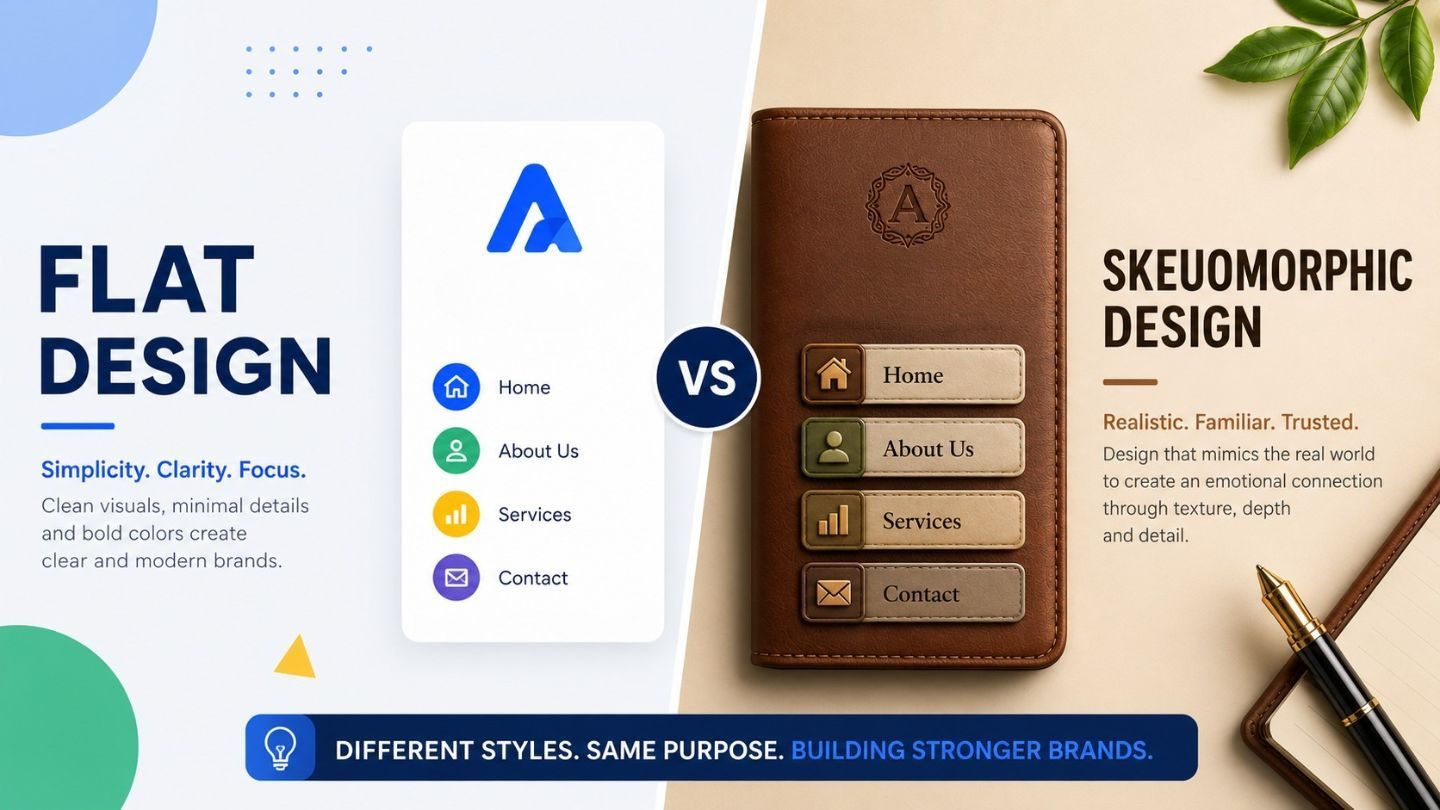
Flat design is built around minimalism. It removes decorative elements like shadows, gradients, and realistic textures in favor of clean layouts, bold typography, and simple icons. The goal is to create interfaces and brand visuals that feel modern, fast, and easy to navigate. Many tech companies and digital-first brands prefer this approach because it adapts well across websites, apps, and social media platforms.
Skeuomorphic design takes the opposite route by mimicking real-world textures and objects. Buttons may appear raised, notebooks may look like actual paper, and icons often include shadows or realistic details. Earlier smartphone interfaces heavily relied on this style because it helped users connect digital experiences with familiar physical objects. Even though it’s less dominant today, traces of skeuomorphism still appear in modern branding and product design.
Why Flat Design Became So Popular
One of the biggest reasons flat design gained popularity is usability. As mobile browsing increased, brands needed websites and interfaces that loaded quickly and worked smoothly on different screen sizes. Flat design solved that problem by reducing visual clutter and simplifying the overall user experience. It also helped brands appear more modern and future-focused.
Another advantage is consistency. Flat visuals scale well across multiple platforms without losing clarity. Whether a logo appears on a mobile app, billboard, or smartwatch, the clean structure remains recognizable. Brands like Google, Spotify, and Airbnb have embraced flat-inspired branding because it feels accessible, efficient, and visually organized without overwhelming the audience.
The Emotional Appeal of Skeuomorphic Design
Despite the rise of minimalism, skeuomorphic design still has emotional value. Realistic textures and familiar visual cues can make digital experiences feel more human and interactive. In some industries, especially gaming, luxury retail, and creative products, detailed visuals help create stronger emotional engagement with users.
Skeuomorphic elements can also improve intuitive understanding. For example, buttons that look pressable or interfaces that resemble physical tools can guide users naturally without requiring much explanation. That’s one reason why some modern applications quietly reintroduce subtle shadows, depth, and texture even while maintaining a mostly flat layout.
Modern Branding Rarely Uses Pure Versions Anymore
Most brands today don’t fully commit to either style. Instead, they blend flat design with selected skeuomorphic touches to balance simplicity and personality. This hybrid approach often includes clean layouts combined with soft shadows, gradients, or layered depth effects that add dimension without making interfaces feel outdated.
You can see this trend in modern UI design systems like neumorphism and material design. These styles borrow the simplicity of flat design while introducing subtle realism to improve interaction and visual comfort. The result feels polished, modern, and more engaging than completely flat interfaces that sometimes appear overly sterile.
Read More: What Is the Difference Between UI and UX?
How Flat Design Supports Better Digital Performance
From a technical perspective, flat design is highly practical. Minimal graphics and simpler visual assets usually mean faster loading times and smoother responsiveness across devices. In a world where users expect instant experiences, this matters more than ever. Slow-loading interfaces often increase bounce rates and reduce engagement. This is also why understanding how visual hierarchy in web design guides users without relying heavily on text can help brands create cleaner, more intuitive digital experiences.
Flat design also improves accessibility. Clear typography, organized layouts, and reduced distractions make content easier to read and navigate. For businesses focused on digital growth, clean visual systems often perform better in terms of user interaction, conversion rates, and long-term usability across evolving technologies.
Where Skeuomorphic Design Still Works Exceptionally Well
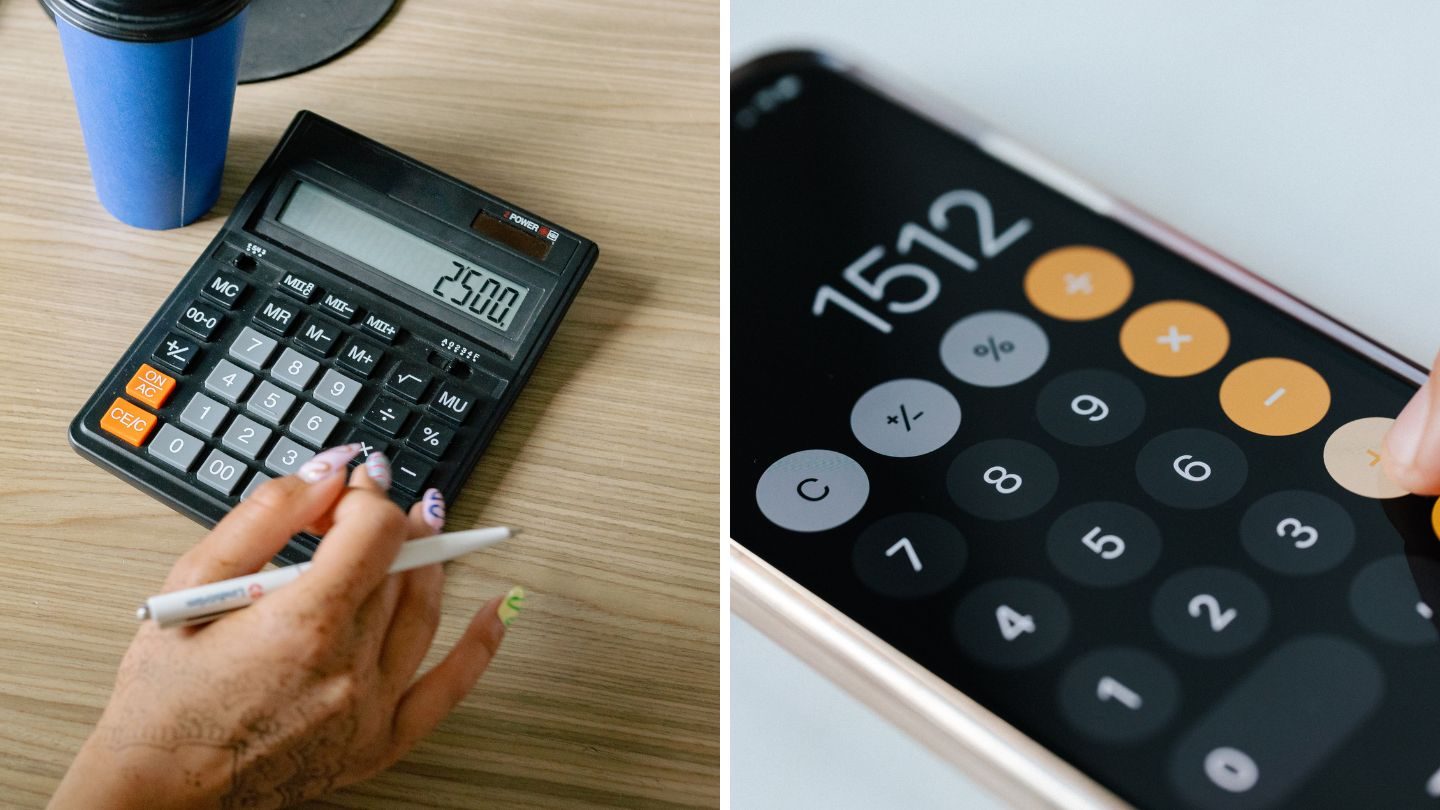
While flat design dominates most digital environments, skeuomorphic design continues to perform well in niche branding spaces. Industries that rely heavily on emotional storytelling or premium experiences often benefit from realistic visual styling. Luxury watch brands, music production software, and high-end gaming platforms commonly use texture and depth to create immersive experiences.
Creative industries also use skeuomorphic elements to strengthen identity. For example, a digital drawing app may include realistic brush textures or notebook-inspired layouts to connect users emotionally with the creative process. In these cases, realism enhances the experience instead of distracting from it.
The Role of Branding Psychology in Design Choice
Design style influences how customers emotionally interpret a brand. Flat design often communicates efficiency, innovation, transparency, and professionalism. That’s why it’s widely used by tech companies, SaaS platforms, fintech startups, and productivity tools where clarity and speed are priorities. For brands that want every visual choice to support business goals, learning what marketing and advertising graphic design means for brand communication can make design decisions more strategic.
Skeuomorphic design, on the other hand, can evoke warmth, familiarity, craftsmanship, or luxury. Brands that want to feel artistic, nostalgic, or experience-driven sometimes lean toward richer visuals to build stronger emotional resonance. The right choice depends less on trends and more on how a company wants people to feel when interacting with its brand.
User Expectations Have Changed Over Time
User behavior has evolved significantly over the last decade. Earlier digital users needed visual cues to understand how interfaces worked because technology felt unfamiliar. Skeuomorphic design helped bridge that learning gap by recreating real-world experiences digitally. Today, most users already understand common interface patterns, making excessive realism less necessary. Modern audiences now prioritize speed, clarity, and seamless interaction.
That shift explains why flat design became dominant. However, users still appreciate interfaces that feel visually pleasing and interactive. As a result, modern branding increasingly focuses on balance rather than extremes, combining usability with subtle visual depth. This balance becomes easier when brands understand the difference between UI and UX in modern digital experiences and how each one affects the way people interact with a website or app.
Choosing the Right Style for Your Brand
There’s no universal winner between flat and skeuomorphic design because branding goals vary across industries. A fintech startup focused on efficiency may benefit more from a clean flat identity, while a luxury fashion label may need richer visual storytelling to reflect exclusivity and craftsmanship.
Brands should also consider audience expectations. Younger digital-native users generally prefer streamlined experiences, while audiences in creative or entertainment-focused spaces may respond better to immersive visuals. The most effective branding decisions happen when design choices align naturally with business goals, customer behavior, and long-term brand identity.
Read More: Importance of Graphic Design in Today’s Digital Marketing Success
Questions Businesses Should Ask Before Choosing
- Does the brand prioritize simplicity or emotional immersion?
- Will the design need to scale across many digital platforms?
- Is the target audience highly tech-oriented or experience-driven?
- Does the brand want to appear modern, luxurious, playful, or familiar?
- Will realistic visuals improve usability or create unnecessary clutter?
The Future of Branding Design Looks More Flexible

Design trends continue to evolve, but flexibility is becoming more important than strict style categories. Modern branding now focuses on adaptability across websites, mobile apps, social media, packaging, and even virtual experiences. That’s pushing brands toward design systems that can evolve without losing identity.
We’re already seeing more layered interfaces, animated micro-interactions, soft shadows, and depth-inspired visuals returning in subtle ways. Rather than fully reviving skeuomorphism, brands are selectively using realism to make interfaces feel more engaging while preserving the clarity of flat design. The future likely belongs to brands that know how to combine simplicity with personality effectively.
Final Thoughts
Flat design and skeuomorphic design both play important roles in modern branding, even if they serve different purposes. Flat design offers clarity, speed, and scalability, while skeuomorphic design creates familiarity and emotional depth. Most successful brands today don’t stay locked into one style. Instead, they blend the strengths of both approaches to create experiences that feel visually appealing, user-friendly, and aligned with their audience's expectations.
At The Ocean Marketing, we help businesses create branding strategies that feel modern, memorable, and visually effective through professional Graphic design services tailored to their goals. If you want to strengthen your online presence and improve your brand performance, you can also request a free SEO audit. Contact us to explore creative branding solutions that connect better with your audience.