Skip to content
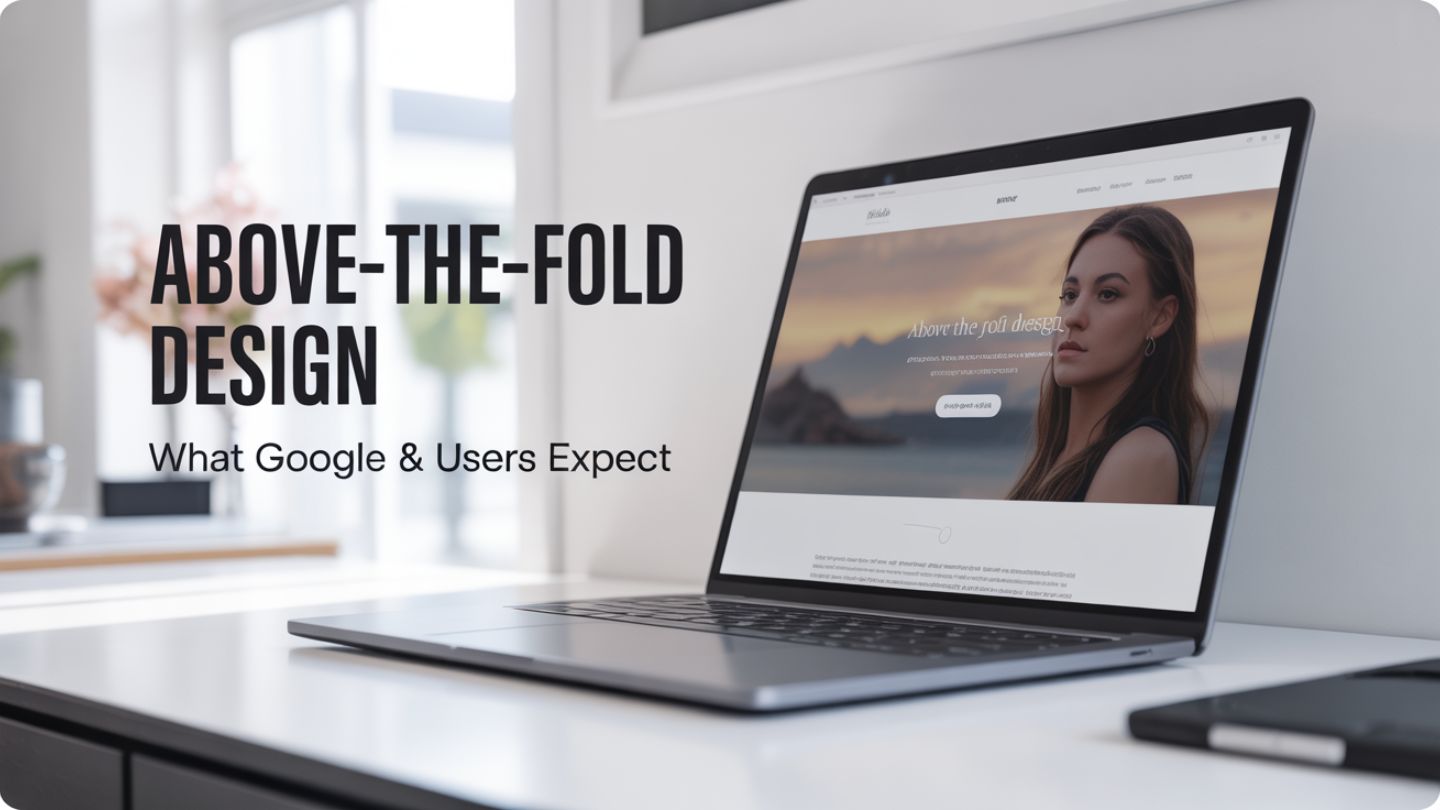
In today’s fast-paced digital environment, your website has only a few seconds to make an impression. Before a visitor scrolls, clicks, or reads further, they form an opinion based on what they see immediately. This critical screen space is known as above-the-fold, and how you design it can determine whether users stay, engage, or leave.
Above-the-fold website design is no longer just about visual appeal. It directly impacts user experience, engagement, and search engine performance. Google pays close attention to how users interact with your website, and your visitors expect clarity, speed, and value right away. Let’s explore what above-the-fold design really means, why it matters, and what both Google and users expect from it.
Key Takeaways
- The content users see first determines whether they stay, engage, or leave. Clear messaging, strong visual hierarchy, and visible CTAs are essential for building trust and guiding action.
- Fast loading speeds, mobile responsiveness, and accessible layouts above the fold help improve engagement signals that Google uses to evaluate page quality.
- When above-the-fold content aligns with what users are searching for and delivers value immediately, it strengthens both usability and long-term search visibility.
What Is Above-the-Fold Website Design?
Above-the-fold refers to the portion of a webpage that is visible without scrolling. The term originated from newspapers, where the most important headlines appeared on the upper half of the front page. In web design, this area serves the same purpose; it must capture attention and communicate value instantly.
Because screen sizes vary across devices, above-the-fold is not a fixed measurement. On desktops, tablets, and mobile phones, the visible area changes. However, the goal remains consistent: deliver the most important content first while making the experience intuitive and effortless for users.
Why Above-the-Fold Design Matters
First impressions are powerful. Studies show that users decide whether to stay on a website within seconds. If your above-the-fold content is unclear, cluttered, or slow to load, visitors are likely to bounce before engaging further.
This is where the importance of user experience in web design becomes evident. A well-structured above-the-fold section helps users quickly understand what your brand offers and how it benefits them. When usability and clarity are prioritized from the start, visitors are more likely to trust your site and continue exploring.
From an SEO perspective, Google tracks engagement signals such as bounce rate, dwell time, and interaction. Poor above-the-fold design can negatively impact these metrics, indirectly affecting rankings. A thoughtful, user-first design supports both search visibility and conversions.
What Users Expect Above-the-Fold

1. Clear Value Proposition
Users want immediate answers. They expect to understand who you are, what you do, and why it matters within seconds. A strong headline paired with concise supporting text helps communicate value without overwhelming the visitor.
Clarity at this stage reduces friction and improves confidence, which is essential for keeping users engaged beyond the first screen.
2. Simple and Intuitive Layout
A clean layout allows users to process information quickly. This balance between visuals and functionality highlights the difference between UI and UX, while UI focuses on how elements look, UX determines how easily users can navigate and understand them. Above-the-fold design succeeds when both work together seamlessly.
Logical spacing, readable fonts, and clear content hierarchy ensure that users don’t have to think too hard to find what they need.
3. Strong Visual Support
Visual elements play a key role in reinforcing your message. High-quality images, illustrations, or subtle animations can add context and emotional appeal. When visuals are aligned with your brand and message, they build credibility rather than distraction.
Above-the-fold visuals should always support communication, rather than competing with it.
4. Clear Call-to-Action
Users expect direction. A visible and well-worded CTA helps guide them toward the next step, whether that’s learning more about your services or starting a conversation. When CTAs are placed naturally within the layout, they feel helpful rather than intrusive.
5. Mobile-Friendly Experience
With mobile traffic accounting for a significant share of web visits, above-the-fold content must perform just as well on smaller screens. Text should remain readable, CTAs should be easy to tap, and layouts should adapt smoothly without sacrificing clarity or intent.
What Google Expects Above-the-Fold
1. Helpful and Relevant Content
Google favors content that genuinely serves users. Above-the-fold messaging should match search intent and clearly reflect what the page delivers. Overly promotional or misleading content can weaken trust and performance.
2. Fast Loading Speed
Performance plays a major role in rankings. Heavy images, large scripts, or auto-playing media above-the-fold can slow load times. Optimized assets help ensure a smooth experience, especially on mobile devices.
3. Minimal Intrusive Elements
Pop-ups or aggressive ads that dominate the first screen can harm usability. Google actively discourages intrusive interstitials, particularly when they prevent users from accessing content easily.
4. Accessibility and Readability
Readable typography, proper contrast, and accessible navigation improve usability for all users. These elements also contribute to stronger quality signals that Google values when assessing page experience.
5. Strong Engagement Signals
When users interact, scroll, or stay longer on a page, it sends positive signals. A well-designed above-the-fold section encourages exploration and supports long-term SEO performance.
Best Practices for Effective Above-the-Fold Design
Focus on One Primary Goal
Every above-the-fold section should communicate a single, clear objective. Too many messages can dilute impact and confuse visitors.
Use Visual Hierarchy
Clear hierarchy guides attention naturally from the headline to the supporting text and then to the CTA. This structure helps users absorb information quickly and efficiently.
Optimize for Performance
Compressed images, lightweight animations, and essential scripts keep load times fast and experiences smooth.
Test Across Devices
Design consistency across devices ensures usability doesn’t break on mobile or tablet screens.
Continuously Improve with Data
Behavioral data such as heatmaps and scroll tracking reveal how users interact with above-the-fold content, allowing for ongoing refinement.
Common Above-the-Fold Mistakes to Avoid
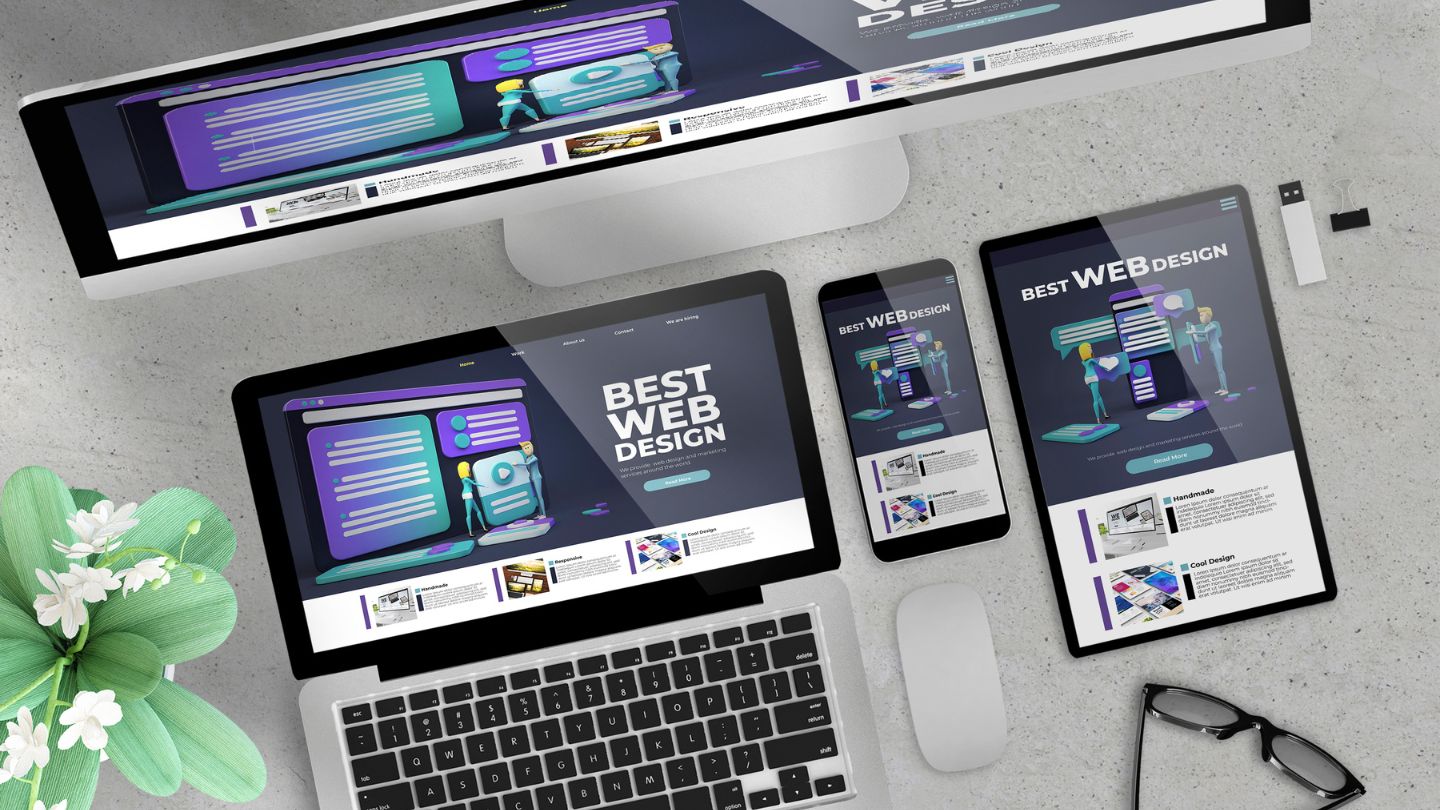
Many engagement issues stem from common web design mistakes small businesses make, especially in the most visible section of a page. These often include cluttered layouts, vague messaging, poorly placed CTAs, and designs that prioritize appearance over usability.
Avoiding these issues helps create a stronger first impression and supports both user satisfaction and search performance.
Final Thoughts
Above-the-fold website design is more than a visual choice—it’s a strategic element that defines how users and search engines experience your site. From delivering a clear value proposition to improving usability, performance, and engagement, the content users see first plays a major role in reducing bounce rates and strengthening SEO signals. When clarity, speed, and thoughtful design come together above the fold, your website is better positioned to earn trust and drive meaningful action.
At The Ocean Marketing, our approach to website design focuses on aligning user expectations with Google’s best practices to create high-performing digital experiences. We combine design strategy, UX principles, and SEO insights to ensure your website not only looks polished but also performs effectively. Contact us to uncover opportunities for improvement and understand how your current site is performing. A SEO audit can provide valuable insights into visibility, usability, and optimization gaps, helping set the foundation for smarter design and stronger results.