Skip to content
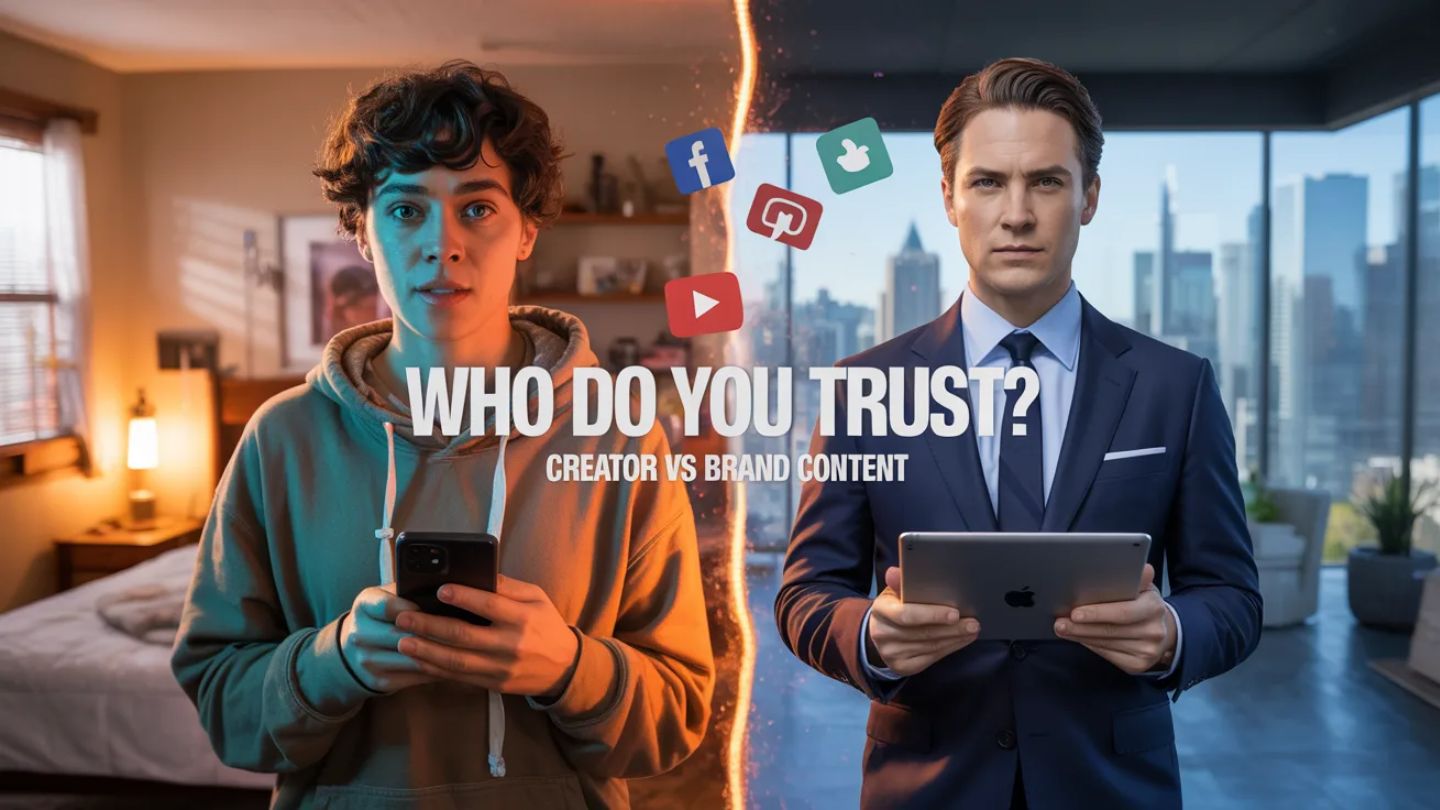
Social media has changed the way people connect with businesses, products, and personalities online. Instead of relying only on direct advertisements, audiences now discover brands through a mix of official company posts and content created by influencers, creators, and online personalities. This blog contains a clear look at the difference between creator content and brand content, how each one shapes audience trust, and why both matter in modern marketing. As competition grows across platforms, businesses need to understand what feels authentic to users and what actually builds confidence, engagement, and lasting loyalty in a crowded digital space.
Key Takeaways
- Creator content often feels more relatable and authentic to audiences.
- Brand content helps build consistency, authority, and recognition.
- Trust depends on how the message is delivered, not just who publishes it.
- Audiences usually respond best when creator and brand content work together.
- Transparency and clear storytelling play a major role in building credibility.
- A balanced strategy can improve engagement, trust, and conversions.
Understanding Creator Content
Creator content is produced by individuals who have built an audience around their personality, expertise, lifestyle, or opinions. These creators may be influencers, educators, reviewers, or niche content personalities who speak to their followers in a natural and familiar way. Their strength comes from how personal their communication feels. Instead of sounding like a formal campaign, creator content often feels like a recommendation, a conversation, or an honest perspective based on lived experience.
That tone makes the message more approachable, especially on platforms where audiences expect entertainment, relatability, and personal connection rather than polished corporate communication. Another reason creator content performs so well is that it matches the way people already use social platforms. Users often follow creators because they enjoy their voice, trust their taste, or identify with their lifestyle. When a creator mentions a product or service, the recommendation can feel more natural than a direct promotion from a business.
Even sponsored content can perform strongly when it fits the creator’s usual style and does not feel forced. Because followers often see creators as people first and marketers second, their content can reduce resistance and make audiences more open to new brands, offers, and ideas. That is one reason Instagram Collab Posts have become so effective: they allow brands to share visibility with trusted creators in a way that feels native to the platform rather than overly promotional.
Understanding Brand Content
Brand content is published directly by a business to communicate its message, identity, values, and expertise. This includes social posts, ad campaigns, website blogs, product updates, educational videos, testimonials, and more. Unlike creator content, brand content is usually built around consistency and control. It gives businesses the ability to present themselves clearly, maintain a recognizable tone, and ensure that key information is accurate and aligned with their goals. This kind of structure matters because trust is not only about emotional connection; it is also about clarity, reliability, and professionalism over time.
Strong brand content helps audiences understand what a business stands for and why it deserves attention. It creates a stable digital presence that supports long-term recognition and credibility. While creator content may spark curiosity, brand content is often what people review when they want confirmation before taking action. A potential customer may discover a company through an influencer, but they are likely to visit the brand’s page, website, or blog before making a decision. That is why brand content remains essential. It provides the details, reassurance, and consistency that audiences need when moving from interest to trust.
Why Audiences Often Trust Creator Content More Quickly

Many audiences trust creator content faster because it feels more personal and less promotional. Creators usually speak in a casual, human tone that mirrors the everyday style of social media itself. Their followers get used to their opinions, routines, preferences, and storytelling style, which makes their recommendations feel familiar. When a creator shares how a product fits into real life, audiences are not just hearing a claim; they are watching a person they already know interact with something in a believable way.
That familiarity creates a sense of comfort that traditional brand messaging often takes longer to build. Relatability also makes a major difference. People often trust content that reflects their own interests, lifestyle, or problems. A creator can show how a service solves a practical issue or improves a daily routine, which makes the message feel specific rather than generic. This works especially well with younger audiences who value authenticity and personality more than polished promotion.
They are highly aware of marketing tactics, so content that feels honest and natural tends to perform better. In many cases, creator content wins early trust because it appears to come from someone who understands the audience, not just someone trying to sell to them. This is also why the conversation around AI vs human-created social media content matters, since audiences are far more likely to trust messaging that feels emotionally aware, personal, and grounded in real experience.
Why Brand Content Still Matters Deeply

Even though creator content can build quick trust, brand content is still critical for long-term credibility. A business cannot rely only on outside voices to shape its image because it also needs to communicate directly with customers in a clear and dependable way. Brand content gives businesses the space to explain their services, answer questions, show expertise, and reinforce what makes them different. This matters because trust is not built only through personality; it is also built through consistency. Audiences want to know that a company is active, informed, and capable of delivering what it promises.
Brand content also plays a key role in the decision-making stage. Creator content may introduce a product or create interest, but official brand messaging often supports the final step by providing more depth and reassurance. When people want accurate information, pricing details, case studies, or service explanations, they usually turn to the brand itself. If the company’s content is weak, outdated, or overly sales-driven, trust can drop quickly. On the other hand, when a brand communicates with clarity and confidence, it strengthens everything the creator helped introduce. That is why brand content should never be treated as secondary in a modern content strategy.
The Real Answer: Both Build Trust in Different Ways
The real comparison is not about declaring one type of content better than the other in every situation. Creator content and brand content earn trust in different ways and at different stages of the customer journey. Creator content is powerful for grabbing attention, creating an emotional connection, and making a brand feel human. Brand content is powerful for supporting credibility, providing structure, and giving audiences the confidence to move forward. When businesses frame the conversation as an either-or choice, they miss the bigger opportunity to use both strategically.
A smart marketing approach connects these two forms of content instead of separating them. A creator can make a brand feel accessible and relevant, while the brand can provide the consistency and professionalism needed to convert that attention into trust and action. If one side is strong and the other is weak, the experience feels incomplete. A great creator campaign can lose impact if the brand’s own content feels empty or disconnected.
Likewise, excellent brand content may struggle to reach new audiences without outside voices helping amplify and humanize the message. The strongest results usually come from thoughtful alignment between both. When that balance is supported by a clear social media funnel strategy, brands are in a much stronger position to turn trust and attention into meaningful engagement, qualified leads, and long-term customer action.
How Brands Can Use This Insight
Businesses that want to build stronger trust should focus on creating content that feels useful, honest, and audience-aware. Brand messaging should not sound robotic or overly polished to the point that it feels distant. It should still reflect professionalism, but with a tone that feels clear and human. Storytelling, customer perspective, and practical value can make branded content much more trustworthy. At the same time, creator collaborations should feel relevant and natural. Audiences can quickly tell when a partnership makes sense, and when it feels purely transactional, so alignment matters far more than reach alone.
Brands should also remember that trust grows through repetition and consistency. One strong creator campaign may generate attention, but lasting credibility comes from a broader system of messaging that supports what audiences first hear. That includes active social channels, informative website content, transparent communication, and a clear brand voice. When creator content introduces the relationship and brand content strengthens it, businesses create a much smoother path from awareness to action. This is where strategy matters most, because trust is rarely built through one post alone. It grows through connected experiences that feel authentic at every stage.
Final Thoughts
Creator content and brand content both play essential roles in shaping how audiences perceive and trust businesses online. Creator content builds quick trust through authenticity, relatability, and personal storytelling, while brand content strengthens long-term credibility with consistency, clarity, and professionalism. Audiences do not rely on just one type; instead, they respond best when both work together to create a balanced experience. By combining emotional connection with reliable messaging, businesses can guide users from discovery to decision with greater confidence and impact.
At The Ocean Marketing, we help businesses build powerful social media marketing strategies that combine creator-driven engagement with strong brand positioning. We also offer a free SEO audit to identify opportunities for improving your online visibility and performance. Contact us today to get started and take your digital presence to the next level.