Skip to content
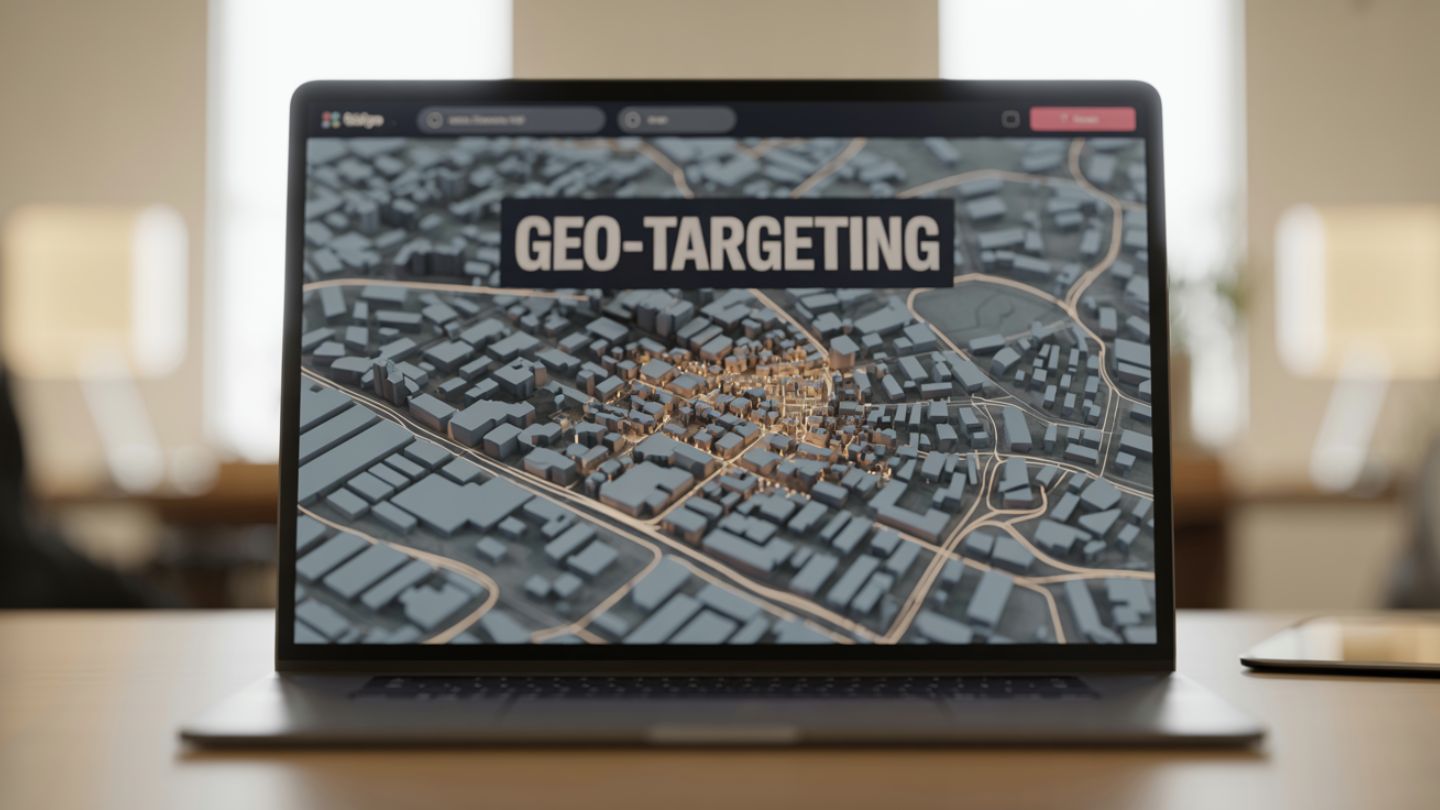
In an increasingly competitive digital environment, businesses must go beyond basic advertising techniques to capture the attention of their local audience. Local campaigns are no longer just about showing ads within a specific city or region; they require precision, personalization, and a deep understanding of user intent. This is where advanced geo-targeting strategies play a crucial role. By leveraging location-based data, businesses can deliver highly relevant ads to the right audience at the right time, improving both engagement and conversion rates. Modern consumers expect personalized experiences, and location-based targeting allows businesses to meet these expectations effectively. Whether it’s targeting users based on proximity, behavior, or demographic insights, advanced geo-targeting transforms local advertising into a powerful growth tool.
Key Takeaways
- Advanced geo-targeting allows businesses to reach highly specific local audiences.
- Location-based targeting improves ad relevance and conversion rates.
- Combining data insights with targeting strategies enhances campaign efficiency.
- Personalized local ads create better user engagement and trust.
- Continuous optimization is essential for long-term campaign success.
Understanding the Basics of Local PPC
Local PPC focuses on running paid advertising campaigns that target users within a specific geographic area. These campaigns are designed to attract nearby customers who are more likely to convert due to proximity and relevance. Unlike broader campaigns, local strategies prioritize location signals such as city, zip code, or radius targeting. However, basic geo-targeting is no longer enough to stay competitive. Advanced strategies go deeper by analyzing user behavior, search intent, and real-time data. This allows businesses to refine their targeting and deliver ads that feel highly relevant to the user’s current situation.
Why Geo-Targeting Matters in Modern Advertising
Geo-targeting enhances the effectiveness of advertising by ensuring that ads are shown to users who are most likely to take action. When ads align with a user’s location and intent, they become more meaningful and impactful.
For example, a user searching for services “near me” is likely ready to make a decision. By targeting such users with precise location-based ads, businesses can capture high-intent traffic. This reduces wasted ad spend and increases return on investment. Additionally, geo-targeting helps businesses tailor their messaging. Ads can be customized based on local preferences, cultural nuances, and seasonal trends, making them more relatable and effective.
Advanced Geo-Targeting Techniques
Advanced geo-targeting involves more than just selecting a location on a map. It requires a strategic approach that combines multiple data points to refine audience targeting. One effective technique is radius targeting, which focuses on users within a specific distance from a business location. This is particularly useful for brick-and-mortar stores or service-based businesses. Another approach is location layering, where multiple geographic factors are combined to narrow down the audience. For example, businesses can target users in a specific city while also considering their behavior, interests, or device usage.
Real-time targeting is also gaining importance. By using data such as current location or recent activity, businesses can deliver ads that align with the user’s immediate needs. This level of precision significantly improves engagement and conversion rates. A well-structured campaign also considers how different users interact with ads at various stages of their journey. Businesses that understand how to align ads with funnel stages can create more targeted messaging that resonates with users, whether they are just discovering a service or ready to convert, ultimately improving both engagement and efficiency.
Leveraging Audience Insights for Better Targeting
Understanding your audience is key to successful geo-targeting. Advanced campaigns rely on detailed insights, including demographics, search behavior, and purchasing patterns. By analyzing this data, businesses can identify high-value segments within their target location. For instance, certain neighborhoods or regions may have a higher demand for specific services. Focusing on these areas can lead to better results and more efficient use of the budget. Audience segmentation also allows for personalized messaging. Different groups within the same location may respond differently to ads, so tailoring content based on their preferences can improve performance.
The Role of Mobile in Geo-Targeting
Mobile devices play a significant role in local advertising. Most location-based searches happen on smartphones, making mobile optimization essential for success. Users often search for services while on the go, which means their intent is immediate. Advanced geo-targeting takes advantage of this by delivering ads that are relevant to the user’s current location and situation. Mobile-friendly ads, combined with features like click-to-call or directions, make it easier for users to take action. This enhances the overall user experience and increases the likelihood of conversions.
Customizing Ad Content for Local Relevance
Creating localized ad content is a critical part of advanced geo-targeting. Generic ads are less effective because they fail to connect with the audience on a personal level. Localized messaging can include references to specific neighborhoods, landmarks, or community events. This makes the ad feel more relevant and trustworthy. Additionally, using location-specific keywords improves ad visibility. When users see content that reflects their environment, they are more likely to engage with it.
Using Data to Optimize Campaign Performance
Data-driven decision-making is essential for maximizing the effectiveness of geo-targeting strategies. By analyzing performance metrics, businesses can identify what works and what needs improvement. Key metrics to monitor include click-through rates, conversion rates, and cost per acquisition. These insights help refine targeting, adjust bids, and improve ad content. While geo-targeting enhances precision, overall performance still depends on multiple elements. Understanding what factors influence PPC campaign success, such as ad quality, bidding strategies, audience segmentation, and landing page experience, ensures that campaigns deliver consistent and measurable results.
Continuous testing is also important. A/B testing different ad variations or targeting parameters allows businesses to optimize their campaigns over time. This ensures that the strategy remains effective in a dynamic market.
Avoiding Common Geo-Targeting Mistakes
While geo-targeting offers many benefits, there are common pitfalls that businesses should avoid. One mistake is targeting too broadly, which can dilute the effectiveness of the campaign. Another issue is neglecting local relevance. Ads that do not align with the audience’s location or preferences are less likely to perform well.
Overlooking mobile optimization is another common error. Since most local searches occur on mobile devices, failing to optimize for mobile can result in missed opportunities. Finally, not analyzing data regularly can hinder campaign performance. Continuous monitoring and adjustment are necessary to maintain effectiveness.
The Impact of Geo-Targeting on ROI
Advanced geo-targeting has a direct impact on return on investment. By focusing on high-intent users within specific locations, businesses can achieve better results with less spend. Targeted campaigns reduce wasted impressions and ensure that ads are shown to users who are more likely to convert. This improves efficiency and maximizes the value of each advertising dollar. Additionally, personalized ads enhance user engagement, leading to higher conversion rates and increased customer satisfaction.
Integrating Geo-Targeting with Overall Marketing Strategy
Geo-targeting should not operate in isolation. It works best when integrated with a broader marketing strategy that includes SEO, content marketing, and social media. By aligning messaging across different channels, businesses can create a consistent brand experience. This reinforces trust and improves overall performance. Geo-targeting becomes even more powerful when combined with a strong organic presence. Implementing topic clusters, the ultimate strategy to boost SEO helps businesses build long-term visibility, allowing paid and organic efforts to work together seamlessly to capture and convert local traffic more effectively. Collaboration between marketing teams ensures that geo-targeting efforts support larger business goals. This holistic approach leads to more effective campaigns and sustainable growth.
Future Trends in Local PPC
As technology continues to evolve, geo-targeting strategies are becoming more sophisticated. Artificial intelligence and machine learning are playing a larger role in analyzing data and optimizing campaigns. Voice search is also influencing local advertising. Users are increasingly using voice commands to find nearby services, which requires businesses to adapt their targeting strategies.
Privacy regulations are another important consideration. Businesses must balance personalization with user privacy, ensuring compliance while maintaining effective targeting. Staying ahead of these trends is essential for maintaining a competitive edge in local advertising.
Measuring Success and Continuous Improvement

Success in local campaigns depends on consistent evaluation and optimization. Businesses should regularly review performance metrics and adjust their strategies accordingly. Feedback from customers can also provide valuable insights. Understanding user preferences and behavior helps refine targeting and improve campaign effectiveness. By adopting a mindset of continuous improvement, businesses can ensure long-term success in their advertising efforts.
Conclusion
Advanced geo-targeting strategies have redefined how businesses approach local advertising by enabling precise audience targeting, personalized messaging, and improved campaign efficiency. By leveraging location data, user behavior, and continuous optimization, businesses can create highly relevant ads that drive engagement, increase conversions, and maximize return on investment in competitive local markets.
At The Ocean Marketing, we specialize in delivering results-driven PPC campaigns tailored to your local audience and business goals. Our team combines advanced targeting techniques with strategic optimization to ensure measurable growth. Contact us today to get started with a free SEO audit and discover new opportunities to enhance your digital performance.