Skip to content

In today’s competitive digital marketplace, businesses rely heavily on PPC (Pay-Per-Click) advertising to drive targeted traffic, generate leads, and increase revenue. However, one of the most common questions advertisers face is: Should you invest in Search Ads or Display Ads? Both advertising formats are powerful but serve different purposes and produce different results. Search ads capture users who are actively searching for products or services, while display ads introduce brands to audiences who may not yet be looking but could become potential customers. Understanding the strengths of each format helps businesses allocate advertising budgets more effectively and maximize their return on investment. In this blog, we will explore how search ads and display ads work, compare their performance, and help you determine which approach can deliver better ROI for your business.
Key Takeaways
- Search ads target users who are actively searching for products or services, which often leads to higher conversion rates.
- Display ads reach users across websites and apps, making them ideal for brand awareness and audience expansion.
- Search campaigns usually produce faster ROI because they capture high-intent traffic.
- Display campaigns are highly effective for remarketing and long-term brand visibility.
- Businesses often achieve the best results by combining both strategies within a comprehensive PPC campaign.
Understanding PPC Advertising
Before comparing the two advertising formats, it is important to understand what PPC advertising involves. PPC is a digital advertising model where businesses pay each time a user clicks on their advertisement. Instead of relying solely on organic traffic, companies can instantly appear in front of their target audience through paid placements. Many advertisers also seek to understand the difference between pay-per-click and cost-per-click, since these two concepts often appear together in campaign reporting.
Platforms like Google Ads, Microsoft Ads, and social media networks allow businesses to run PPC campaigns that appear in search results or across large advertising networks. The main advantage of this model is control. Advertisers can choose keywords, audiences, locations, and budgets to ensure their ads reach the most relevant users. Because of this flexibility, PPC has become one of the most effective methods for driving targeted traffic and generating measurable results. Within the PPC ecosystem, two formats dominate digital advertising strategies: search ads and display ads. While both operate under the same payment structure, they function differently and serve distinct marketing goals.
What Are Search Ads?
Search ads appear on search engine results pages when users type specific queries into platforms like Google or Bing. These ads usually appear at the top or bottom of the results page and are labeled as sponsored content. They are primarily text-based and designed to match the intent of the user’s search query. When someone searches for a product, service, or solution, search ads allow businesses to appear immediately in front of that user. Because these ads respond directly to search intent, they often attract highly qualified traffic. Users clicking on these ads typically already know what they are looking for, which increases the chances of conversion.
Search advertising relies heavily on keyword targeting. Businesses choose keywords related to their products or services, and the search engine displays their ads when those keywords are entered by users. Additional targeting options, such as geographic location, device type, and time scheduling, help refine the audience even further. Because of the strong connection between search intent and ad visibility, search campaigns often produce some of the highest conversion rates in digital marketing. However, this effectiveness also means higher competition, which can increase the cost per click for competitive keywords.
What Are Display Ads?
Display ads function very differently from search ads. Instead of appearing when users actively search for something, display ads appear across websites, mobile apps, and online platforms that are part of an advertising network. These ads typically include visuals such as images, graphics, animations, or videos designed to capture attention while users browse online content. Display advertising focuses more on exposure and brand visibility than immediate intent. A user reading a blog, watching a video, or browsing an online magazine might encounter a display ad related to their interests or past browsing behavior. This allows businesses to introduce their brand to audiences who may not yet be searching for their services.
Targeting in display advertising is based on demographics, interests, browsing patterns, and website placements. For example, a travel company could show ads to users who frequently visit travel-related websites or have previously searched for vacation packages. Because these ads appear across thousands of websites, they allow businesses to reach large audiences quickly. Another major advantage of display advertising is remarketing. If someone visits a company’s website but leaves without taking action, display ads can follow that user across other websites, reminding them of the brand and encouraging them to return. This strategy helps nurture potential customers throughout the buying journey.
Search Ads vs Display Ads: Key Differences

Although both advertising formats fall under the PPC model, they differ significantly in how they reach users and generate results. The most important difference lies in user intent. Search ads appear when users actively seek information, which means they are already closer to making a decision. Display ads appear while users browse other content, meaning the intent to purchase may not yet exist.
Another difference involves targeting methods. Search campaigns rely primarily on keywords, allowing businesses to reach people based on specific queries. Display campaigns use audience targeting, behavioral signals, and website placements to reach users who fit a particular profile. Cost structures also differ. Search ads often have a higher cost per click because they target high-intent users competing for limited keyword placements. Display ads usually cost less per click but may generate fewer immediate conversions since users are not actively searching for a solution.
Visual presentation is another major distinction. Search ads rely on compelling text and messaging, while display ads benefit from creative visuals that attract attention and reinforce brand recognition. Because of these differences, each advertising format contributes to a different stage of the customer journey.
When Search Ads Deliver Better ROI
Search ads tend to deliver stronger ROI when businesses want immediate results and highly targeted traffic. Because these ads appear when users actively search for a solution, they capture people who are already motivated to take action. This makes search campaigns particularly effective for lead generation, service-based businesses, and industries where customers compare multiple providers before making a decision.
Local businesses also benefit significantly from search advertising. When users search for services in their area, search ads ensure that relevant businesses appear at the top of the results page. This visibility can drive phone calls, appointment bookings, and website visits from nearby customers who are ready to purchase.
Another reason search ads produce a strong ROI is the ability to track performance accurately. Advertisers can measure clicks, conversions, and cost per acquisition, allowing them to refine campaigns continuously. Over time, optimizing keywords, ad copy, and bidding strategies helps improve efficiency and maximize returns. However, success in search advertising requires careful keyword research, strong ad copy, and optimized landing pages. Without these elements, even high-intent traffic may fail to convert.
When Display Ads Deliver Better ROI
Display ads often generate better ROI when the primary objective is brand awareness and long-term audience engagement. Because these ads reach users across a large network of websites and platforms, they can expose a brand to thousands or even millions of potential customers.
One of the strongest advantages of display advertising is its ability to support remarketing campaigns. When users visit a website but leave without making a purchase, remarketing display ads can remind them of the brand and encourage them to return. This repeated exposure increases familiarity and builds trust, which significantly improves the likelihood of conversion later.
Display advertising is also highly effective for product launches and promotional campaigns. Visual ads showcasing new products or services can capture attention quickly and communicate value in a way that text-based ads cannot.
While display ads may not always generate immediate conversions, they often contribute to assisted conversions by introducing users to a brand earlier in the buying journey. This early exposure plays an important role in helping businesses generate organic leads and boost conversions, since brand familiarity often influences which company a user ultimately chooses when they are ready to purchase.
Combining Search and Display Ads for Maximum ROI
Rather than viewing search and display advertising as competing strategies, many successful businesses use both together to create a full-funnel marketing approach. A well-structured campaign often follows the principles of PPC funnel mapping, which aligns advertising strategies with different stages of the customer journey, from awareness to consideration and finally conversion.
For example, a potential customer may first encounter a display ad while reading an article online. This introduction sparks curiosity and encourages them to learn more about the brand. Later, when they actively search for related services, search ads ensure the brand appears at the top of the results page. This combination strengthens brand recognition and increases the likelihood of conversion.
By aligning search and display strategies, businesses can guide potential customers through multiple stages of the marketing funnel. Display ads build familiarity, remarketing reinforces the message, and search ads capture the final decision-making moment.
Measuring ROI in PPC Campaigns
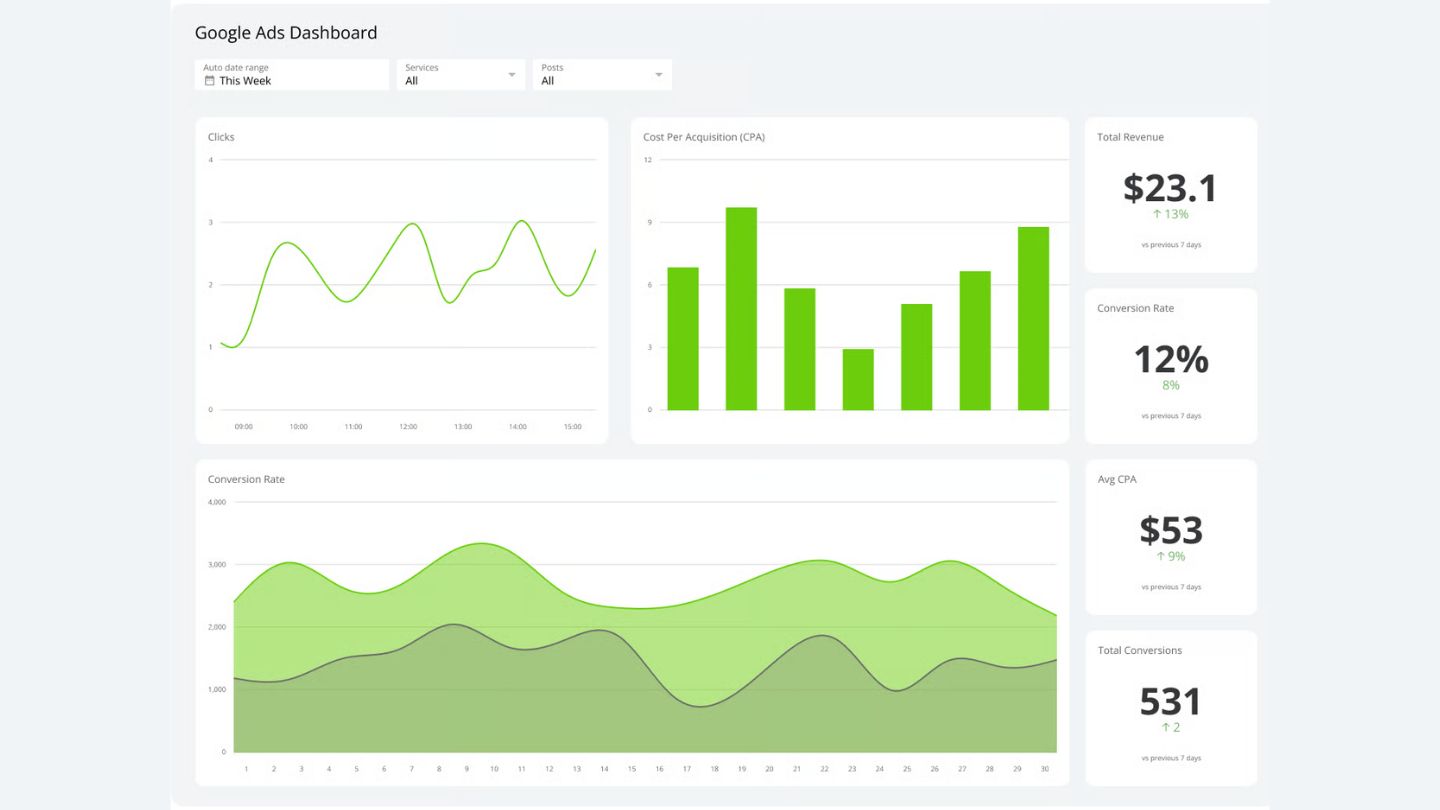
To determine which advertising format performs better, businesses must monitor key performance indicators that reveal campaign effectiveness. Metrics such as cost per click, click-through rate, conversion rate, and cost per acquisition help advertisers evaluate how efficiently their budget is generating results.
Return on ad spending is another crucial metric that compares advertising costs with the revenue generated from those campaigns. By analyzing these metrics, marketers can identify which keywords, audiences, and ad formats produce the highest returns. Continuous optimization plays a major role in improving PPC performance. Testing different ad variations, adjusting targeting options, and refining bidding strategies allow businesses to improve efficiency and achieve better ROI over time.
Ready to Improve Your Advertising Results?
Search ads and display ads both play important roles in a successful digital advertising strategy, but they serve different purposes within the marketing funnel. Search ads are highly effective for capturing users who are actively searching for products or services, which often leads to faster conversions and stronger short-term ROI. Display ads, on the other hand, help businesses build brand awareness, reach broader audiences, and nurture potential customers who may convert later. When used strategically, both advertising formats complement each other and contribute to a more comprehensive PPC strategy that improves overall marketing performance.
At The Ocean Marketing, we help businesses build high-performing digital campaigns that combine PPC strategies with data-driven optimization to maximize results. If you want to improve your online visibility and advertising performance, take advantage of our free SEO audit and let our team identify opportunities to grow your traffic, leads, and conversions. Contact us today to learn how we can help your business scale with smarter PPC and search marketing strategies.