Skip to content
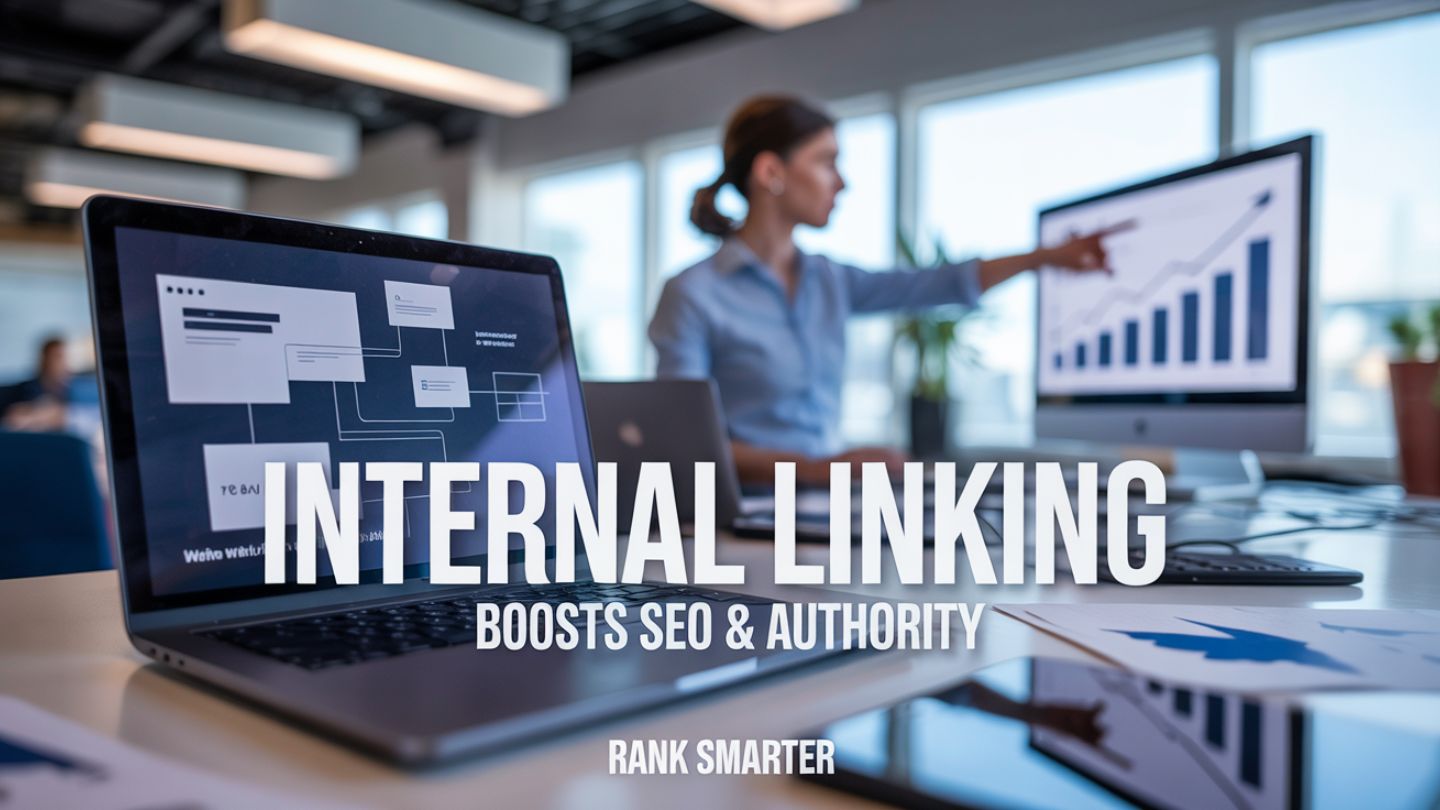
Many businesses invest heavily in attracting new visitors to their websites, focusing on everything from paid ads to social media campaigns. While drawing in new traffic is crucial, what happens once those users arrive? A well-crafted internal linking strategy is one of the most powerful, yet often overlooked, components of a successful website. It not only enhances user experience but also provides a significant boost to your search engine optimization (SEO) efforts, helping to establish your site as an authority in its field.
Understanding how to properly link your own pages together creates a strong, cohesive website structure that search engines love. This process involves more than just randomly adding links to your content; it’s a strategic method for guiding both users and search engine crawlers through your most important pages. By building these pathways, you can improve rankings, increase page views, and solidify your website’s credibility.
What Exactly Is Internal Linking?
Internal linking is the practice of connecting one page on your website to another page on the same website. These links are simple hyperlinks that point from a source page to a target page within your domain. For example, a link from a blog post about digital marketing trends to your service page on social media management is an internal link.
These connections serve a critical purpose. They create a web of interconnected content that helps search engines like Google understand the relationship between your pages. Think of your website as a book. Your homepage is the cover and table of contents, your main service pages are the chapters, and your blog posts are the detailed paragraphs. Internal links are the “see page X for more information” references that guide the reader through the material logically.
Without these links, many of your pages could become “orphan pages”, isolated and difficult for search engines to find and index. A solid internal linking structure ensures that all your valuable content is discoverable, indexed, and given a chance to rank.
Even small issues like broken links, vague anchor text, or linking too heavily to the wrong pages can reduce performance over time. Fixing common mistakes in internal linking for bloggers helps strengthen site structure, improve rankings, and ensure your content naturally supports your most valuable pages.
The Core Benefits of Internal Linking for SEO
A thoughtful internal linking strategy is fundamental to strong technical SEO. It directly impacts how search engines crawl, index, and rank your content.
1. Improved Website Crawlability and Indexing
Search engine crawlers, also known as spiders or bots, follow links to discover content on the web. When a crawler lands on your site, it uses internal links to navigate from one page to another. The more logical and interconnected your links are, the easier it is for these crawlers to find all the pages on your site.
This process, called crawling, is the first step before a page can even be considered for ranking. A clear path of internal links ensures that even your deepest pages are discovered. This is particularly important for larger websites with hundreds or thousands of pages. Proper linking helps search engines build a comprehensive sitemap of your domain, ensuring more of your content gets indexed and has the potential to appear in search results.
2.Spreading Link Equity (PageRank)
One of the most significant SEO benefits of internal linking is the distribution of “link equity,” often referred to as “PageRank.” When a page on your site earns authority, perhaps through high-quality backlinks from other websites, it accumulates link equity. You can pass some of this authority to other pages on your site through internal links.
For instance, if your homepage has a high level of authority, linking from it to a new blog post passes some of that power along. This tells search engines that you consider the linked page to be important. By strategically linking from your high-authority pages to pages you want to boost, you can improve their chances of ranking for relevant keywords. This creates a powerful internal network where your strongest pages lift your newer or less-visible content.
3. Establishing a Topic Hierarchy

Internal linking helps you establish a clear information hierarchy for your website. By linking from broad, general topic pages to more specific subtopic pages, you create what is known as a “topic cluster.” This structure signals to search engines that you have a deep well of knowledge on a particular subject.
A typical model involves a central “pillar page” that covers a broad topic extensively. This pillar page then links out to several “cluster pages,” which delve into more specific subtopics. For example, a pillar page on “Digital Marketing” might link to cluster pages about “SEO,” “Content Marketing,” and “PPC Advertising.” This organization makes it clear to search engines that you are an authority on digital marketing, which can improve your rankings for a wide range of related search terms.
When topic clusters are built correctly, they create a stronger internal ecosystem where every supporting article reinforces the main pillar page. This makes it easier for search engines to recognize depth, relevance, and authority across an entire content category instead of ranking pages individually in isolation.
Enhancing User Experience and Engagement

While the SEO benefits are substantial, internal linking is equally important for the people visiting your site.
Guiding Users to Relevant Content
Internal links act as a navigation system for your visitors. When a user is reading a blog post, relevant internal links can guide them to other content that answers their questions or piques their interest. This keeps them on your site longer, reducing your bounce rate and increasing the number of pages they view per session.
For example, if a visitor is reading about the benefits of a plant-based diet, a link to a page with “Easy Vegan Recipes” provides immediate value and encourages them to continue exploring your content. This seamless journey creates a positive user experience, making visitors more likely to return, subscribe, or convert into customers. These user engagement signals are also important ranking factors for SEO.
Defining a Path to Conversion
Strategic internal linking can also create a clear path toward conversion. By linking from informational blog posts to relevant product or service pages, you can gently guide users down the sales funnel. This is a subtle but effective way to move a potential customer from the awareness stage to the consideration or decision stage.
The key is to make these links contextually relevant. The anchor text, the clickable words of the link, should clearly indicate where the link will take the user. For instance, anchor text like “explore our web design services” is much more effective than a generic “click here.” This transparency builds trust and improves the user journey.
Optimizing anchor text doesn’t just help search engines understand what a page is about; it also sets the right expectation for users. When internal links feel descriptive and natural, visitors are more likely to follow them, stay engaged longer, and move through the site with a clearer sense of direction.
Final Thoughts
Internal linking is one of the most effective ways to improve SEO performance because it helps search engines understand your website structure, strengthens topic relevance, and distributes authority across key pages. When done strategically, internal links also guide visitors to useful content, increase engagement, and support stronger rankings over time.
At The Ocean Marketing, strong SEO starts with building a website that is organized, easy to crawl, and designed to move users through content naturally. A strategic internal linking structure makes it easier to rank important pages, support new content, and establish long-term authority in your niche. If you are looking to strengthen your website’s foundation and climb the search rankings, a professional SEO strategy can make all the difference. A free SEO audit is a great starting point to uncover internal linking gaps, missed opportunities, and technical issues holding your site back. Ready to improve your rankings and build lasting authority? Contact us today and let our team create a customized SEO plan built around smarter internal linking, stronger structure, and better performance.