Skip to content
Graphic design plays a critical role in how businesses communicate, connect, and convert their audiences. From building brand recognition to improving digital experiences, graphic design is no longer just about aesthetics; it’s about strategy. This blog explores the different roles within graphic design, how each contributes to business success, and why understanding these roles helps brands make better creative and marketing decisions.
Key Takeaways
- Graphic design consists of specialized roles that work together to create impactful visual communication.
- Strong design supports branding, usability, and digital performance.
- UI and UX designers play a vital role in improving customer experience online.
- Motion and print design continue to complement digital design efforts.
- Strategic graphic design enhances marketing, SEO, and overall brand growth.
The Foundation of Graphic Design
Graphic design is the art of visual storytelling. It combines typography, imagery, layout, and color to convey messages clearly and effectively. Whether it’s a website interface, a social media post, or marketing collateral, graphic design influences how audiences perceive and interact with a brand.
In today’s digital landscape, businesses increasingly recognize the importance of quality web design for small businesses, as first impressions often determine whether a visitor stays, explores, or exits a website. Strong graphic design ensures consistency, clarity, and credibility across all platforms.
The Role of a Graphic Designer
A graphic designer is often the backbone of a creative team. This role involves creating visual assets such as advertisements, banners, presentations, and digital creatives. Graphic designers must balance creativity with functionality while ensuring all visuals align with brand guidelines.
They also collaborate closely with content teams to ensure visuals support messaging. When visuals and text work together seamlessly, it strengthens communication, similar to how understanding the difference between copywriting vs. content writing helps brands craft messages for different stages of the customer journey.
Brand Designers and Visual Identity
Brand designers focus on developing and maintaining a brand’s visual identity. This includes logos, typography systems, color palettes, and brand guidelines. Their goal is to ensure consistency across every customer touchpoint.
Strong brand design builds recognition and trust over time. When audiences consistently encounter the same visual language, it reinforces credibility and supports long-term brand positioning.
UI Designers and Digital Interfaces
User Interface (UI) designers specialize in designing visually intuitive digital interfaces. Their work includes layout structures, button styles, iconography, and navigation systems for websites and applications.
UI design directly influences how users interact with digital platforms. Clean design, proper spacing, and clear visual hierarchy improve usability and engagement, reinforcing the importance of user experience in web design while reducing friction in user interactions.
UX Designers and User-Centered Design
UX designers focus on how users experience a product or platform. They conduct research, create wireframes, and analyze user behavior to optimize functionality and navigation.
UX design often works hand in hand with graphic design to ensure visual decisions enhance usability rather than hinder it. This analytical approach aligns with processes such as content gap analysis, where businesses identify missing elements that impact performance and user satisfaction.
Motion Graphic Designers and Visual Engagement
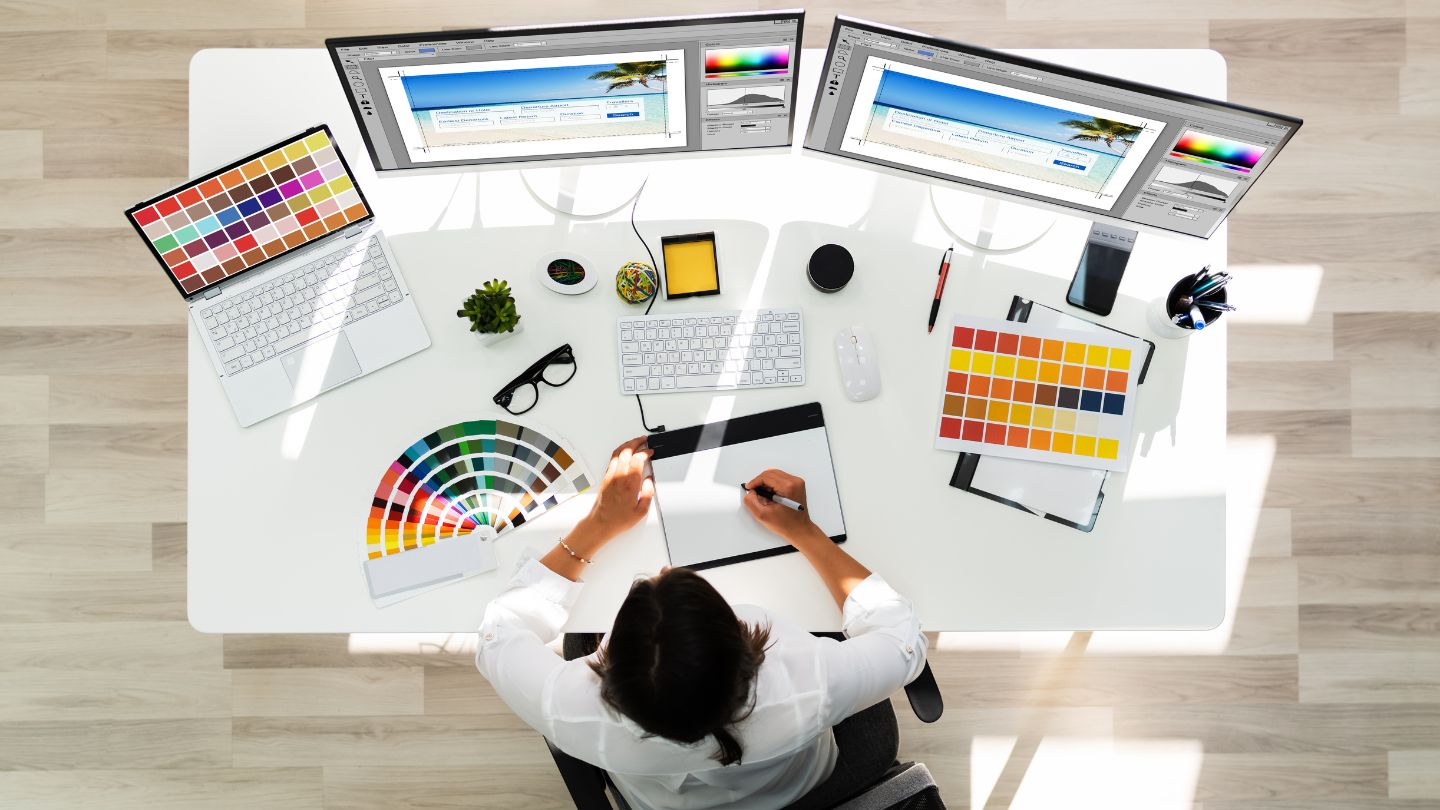
Motion graphic designers bring static visuals to life through animation. From animated logos to explainer videos and social media animations, motion design enhances storytelling and engagement.
In fast-paced digital environments, motion graphics capture attention quickly and convey messages efficiently, making them a valuable asset in modern digital marketing strategies.
Print Designers and Offline Branding
Despite the dominance of digital platforms, print design remains relevant. Print designers work on brochures, posters, packaging, and business cards, ensuring brand consistency across physical materials.
Their expertise ensures that colors, layouts, and branding translate accurately from digital screens to tangible formats, reinforcing brand identity across all channels.
Collaboration Across Creative and Marketing Teams
Graphic design works best when integrated with marketing, content, and development teams. Well-structured visuals can enhance how information is consumed, similar to how understanding different types of featured snippets helps improve content visibility and structure in search results.
When design aligns with content strategy and SEO, it creates cohesive experiences that improve engagement and conversions.
Career Growth in Graphic Design
Graphic design offers diverse career paths, including roles such as junior designer, senior designer, art director, creative director, or specialization in UI/UX, branding, or motion design.
Success in this field requires adaptability, creativity, technical proficiency, and a strong understanding of digital trends.
Why Understanding Design Roles Matters
Understanding the different roles in graphic design helps businesses hire the right talent and allocate resources effectively. It also allows designers to focus on areas where they can deliver the most value. When each role is clearly defined, design becomes a strategic business asset rather than a purely creative function.
Final Thoughts
Graphic design is a powerful tool that influences branding, user experience, and digital performance. When businesses understand the different roles within graphic design, they can build stronger visual strategies that support growth and engagement. Pairing design efforts with data-driven insights, such as conducting an SEO Audit, ensures visuals not only look good but also perform effectively online.
At The Ocean Marketing, we provide end-to-end Graphic Design Services that align creativity with business objectives. Our approach focuses on combining design strategy, user experience, and digital performance to help brands stand out in competitive markets while delivering measurable results. If you’re unsure how your design and digital presence are impacting your search visibility, taking advantage of a Free SEO Audit can provide valuable insights. If you’re ready to elevate your brand visuals and digital performance, our team is here to help. Work with us to build strategic design solutions that drive results. Contact us today to get started.