Skip to content
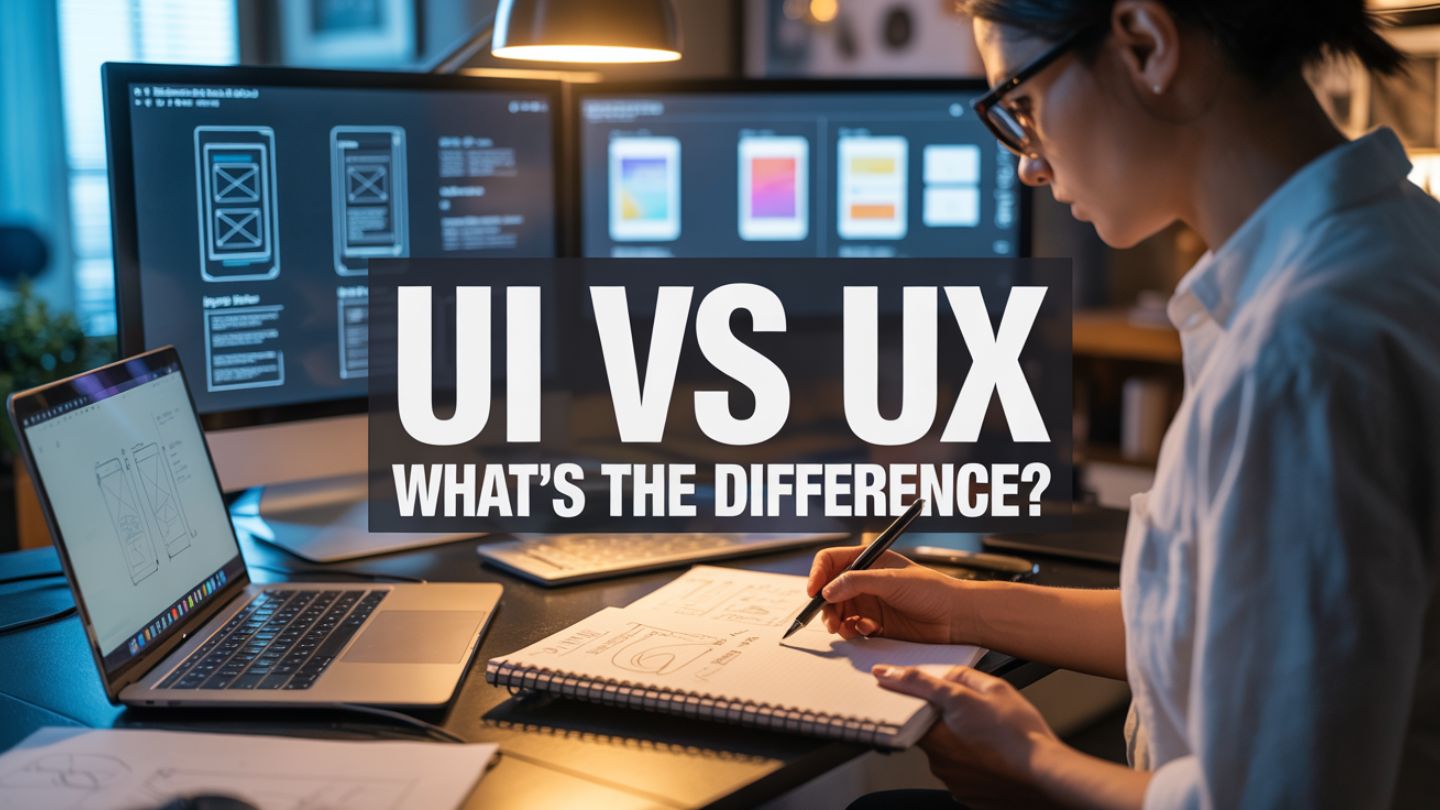
In today’s digital-first landscape, businesses rely heavily on websites, applications, and software to connect with users. When discussing digital design, two terms frequently surface: UI (User Interface) and UX (User Experience). Although these concepts are closely connected, they serve different purposes. Understanding the difference between UI and UX is essential for creating digital products that are not only visually appealing but also intuitive and effective.
This blog explores the core differences between UI and UX, how they work together, and why both are critical for building meaningful digital experiences.
Key Takeaways
- UX focuses on how users move through and experience a digital product, while UI shapes the visual and interactive elements. When aligned, they create seamless and engaging digital experiences.
- Research-driven UX design helps users navigate websites effortlessly, complete tasks easily, and feel confident in their interactions, leading to higher satisfaction and retention.
- Well-designed interfaces guide users visually, make interactions intuitive, and reinforce brand identity across devices and platforms.
What Is UX (User Experience)?
User Experience, commonly known as UX, focuses on how users interact with a product and how they feel throughout that interaction. It considers the entire journey, from the first click to the final action, ensuring that each step feels logical and seamless.
The importance of user experience in web design lies in its ability to reduce friction and improve usability. When UX is thoughtfully planned, users can navigate a website effortlessly, understand content clearly, and complete tasks without confusion. Strong UX design is driven by research, strategy, and continuous testing to ensure the experience aligns with user expectations.
Core Elements of UX Design
- User research and behavior analysis
- Information architecture and content structure
- User journeys and task flows
- Wireframes and functional prototypes
- Usability testing and optimization
By prioritizing UX, businesses create digital environments that feel intuitive rather than overwhelming.
What Is UI (User Interface)?
User Interface, or UI, focuses on the visual and interactive elements users engage with directly. This includes typography, colors, buttons, icons, spacing, and layout consistency. UI design shapes the look and feel of a digital product while guiding users visually through their actions.
While UX determines how something works, UI determines how it looks and responds. Effective UI design ensures that interactive elements are easy to identify and visually consistent across platforms, reinforcing both usability and brand identity.
The Core Difference Between UI and UX

The simplest way to distinguish between UI and UX is by understanding their roles:
- UX focuses on the overall experience
- UI focuses on the visual interface
UX asks whether a product is functional, logical, and easy to use. UI asks whether it is visually clear, appealing, and engaging. A digital product can have strong UX but fail if the interface lacks clarity, just as a beautiful interface can fail if the experience is confusing.
How UI and UX Work Together
UI and UX are most effective when they work in harmony. A product designed with strong UX but weak UI may function well but fail to engage users visually. Conversely, a visually impressive UI without proper UX can frustrate users and reduce retention.
Many common web design mistakes small businesses make occur when this balance is ignored. For example, cluttered layouts, unclear navigation, or inconsistent buttons can disrupt user flow even if the site looks attractive. Aligning UI with UX ensures that design decisions support both usability and aesthetics.
UI, UX, and Mobile-First Design
With mobile usage dominating digital interactions, designing for smaller screens has become a necessity. UX plays a key role in simplifying navigation and prioritizing content, while UI ensures that touch elements are accessible and visually distinct.
Effective navigation structures, such as those guided by breadcrumb SEO practices for a mobile-first strategy, help users understand where they are within a website. Breadcrumbs reduce friction by allowing users to move efficiently between pages, improving both usability and overall experience on mobile devices.
Why UI and UX Matter for Businesses
UI and UX design directly influence how users perceive a brand. A well-designed experience builds credibility, increases engagement, and encourages users to take action. Businesses that invest in both disciplines often see improved conversion rates, longer session durations, and stronger customer loyalty.
Avoiding common web design mistakes, such as slow load times, poor readability, or unclear calls to action, requires a balanced approach to UI and UX. When design decisions are user-focused, the result is a smoother journey that benefits both users and businesses.
Enhancing the Overall Digital Experience

Design is not just about visuals or functionality in isolation. It’s about how users feel when interacting with a brand online. Enhancing online user experience involves optimizing performance, accessibility, responsiveness, and clarity across all digital touchpoints.
When UI elements support UX goals, users experience fewer obstacles and greater satisfaction. This alignment ensures that digital products are not only usable but also enjoyable, leaving a lasting positive impression.
Skills Behind UI and UX Design
Although UI and UX overlap, they require different skill sets. UX designers focus on research, strategy, and problem-solving, while UI designers specialize in visual design, interaction patterns, and consistency. Together, these skills create experiences that are both functional and visually compelling.
Final Thoughts
UI, UI, and UX are distinct yet inseparable components of digital design. UX defines the overall journey a user takes, while UI shapes how that journey looks and feels at every step. When both work together, they create experiences that are intuitive, engaging, and purposeful. Ignoring either can weaken usability, reduce engagement, and ultimately limit a product’s success in competitive digital spaces.
At The Ocean Marketing, we believe effective website design goes beyond aesthetics. It’s about aligning visual design with user behavior, business goals, and performance-driven strategy. By combining thoughtful UI, research-led UX, and data-backed decisions, we help businesses create digital products that resonate with users and stand out in crowded markets. Our Free SEO Audit provides valuable insights into how your website performs across search, structure, and user experience. If you’re looking to create digital experiences that balance usability with visual appeal, our team is here to help. We focus on designing user-centered solutions that align with business goals and long-term growth. Contact us today to discuss how we can strengthen your UI, UX, and overall digital strategy.