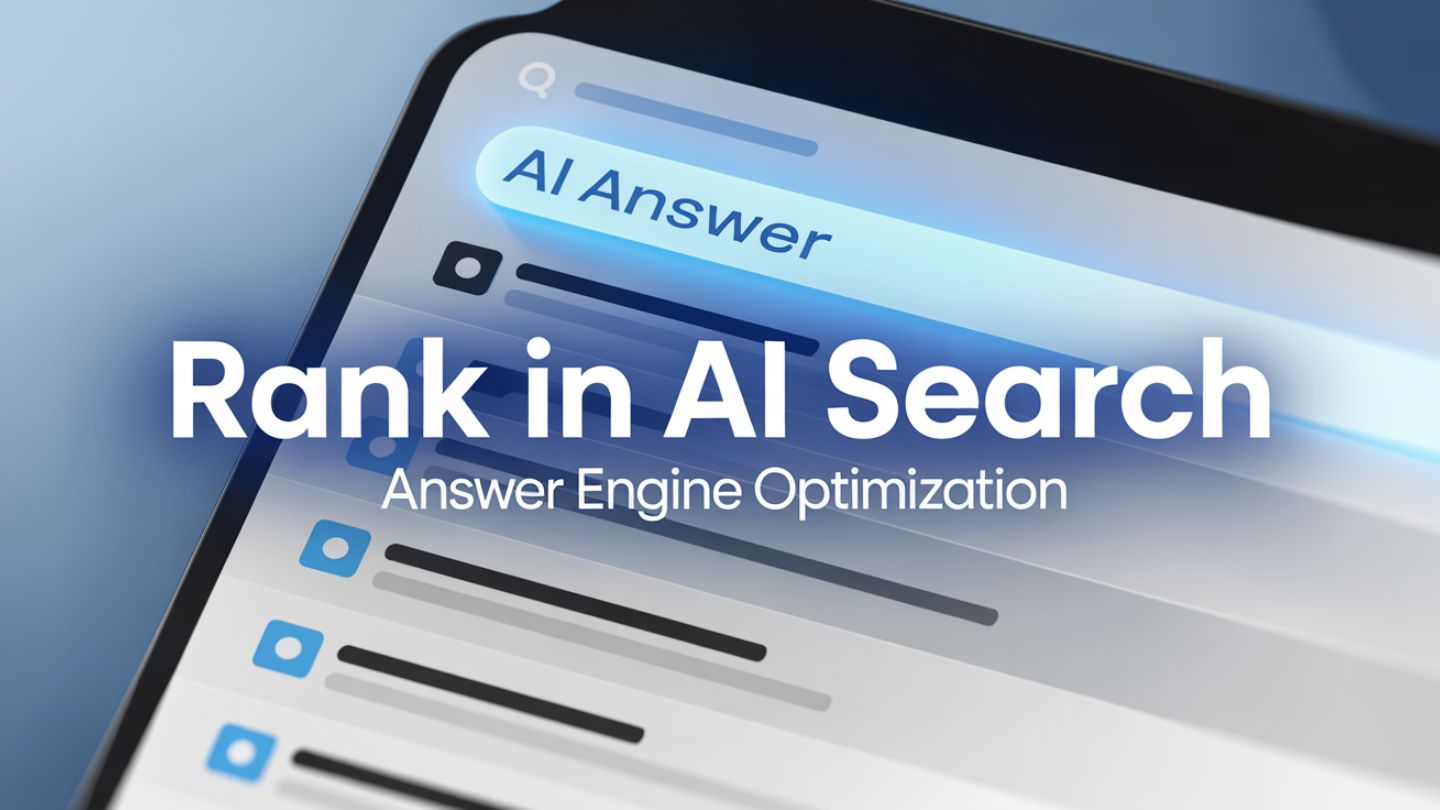
The way we search for information is fundamentally changing. For decades, we typed keywords into a search bar and scrolled through a list of blue links to find the best website. Today, we ask questions to Siri, Alexa, or ChatGPT and expect a single, direct answer. This shift from “searching” to “asking” has given rise to a new digital marketing discipline: Answer Engine Optimization (AEO).
As artificial intelligence (AI) and voice search become more integrated into our daily lives, simply ranking on the first page of Google is no longer enough. You need to be the one answer that the algorithm chooses to speak aloud or display in a featured snippet. AEO is about optimizing your content to be the chosen answer.
This guide explores the world of Answer Engine Optimization. We will define what it is, explain why it is becoming critical for your digital strategy, and provide actionable steps to help your brand survive and thrive in this new era of search.
Key Takeaways
- Answer Engine Optimization (AEO) focuses on providing direct, concise answers so AI platforms, voice assistants, and search features can display your content as the primary response.
- AEO differs from traditional SEO by prioritizing question-based queries, conversational language, and structured content designed for AI and voice search.
- To succeed with AEO, create clear answers, use structured data (schema), target common user questions, and build strong authority signals so search engines trust your content as the best answer.
Defining Answer Engine Optimization (AEO)
Answer Engine Optimization (AEO) is the process of optimizing content to provide direct, concise, and authoritative answers to user queries. While traditional Search Engine Optimization (SEO) focuses on ranking a list of URLs, AEO focuses on becoming the single best answer for AI-driven platforms and voice assistants.
Think of it as the evolution of search intent. Traditional SEO asks, “Which website best matches these keywords?” AEO asks, “What is the specific answer to this user’s question?”
When a user asks, “How do I remove a red wine stain?”, they don’t want to browse five different cleaning blogs. They want the immediate steps. AEO targets these zero-click moments, which are becoming increasingly common as platforms provide solutions directly within the search results. The growing impact of how zero-click searches are impacting SEO and how to adapt has forced brands to rethink how they measure success, shifting focus from clicks alone to visibility, authority, and brand recall.
This discipline caters to a variety of “answer engines,” including:
- AI Chatbots: ChatGPT, Google Gemini, Claude, and Microsoft Copilot.
- Voice Assistants: Siri, Alexa, and Google Assistant.
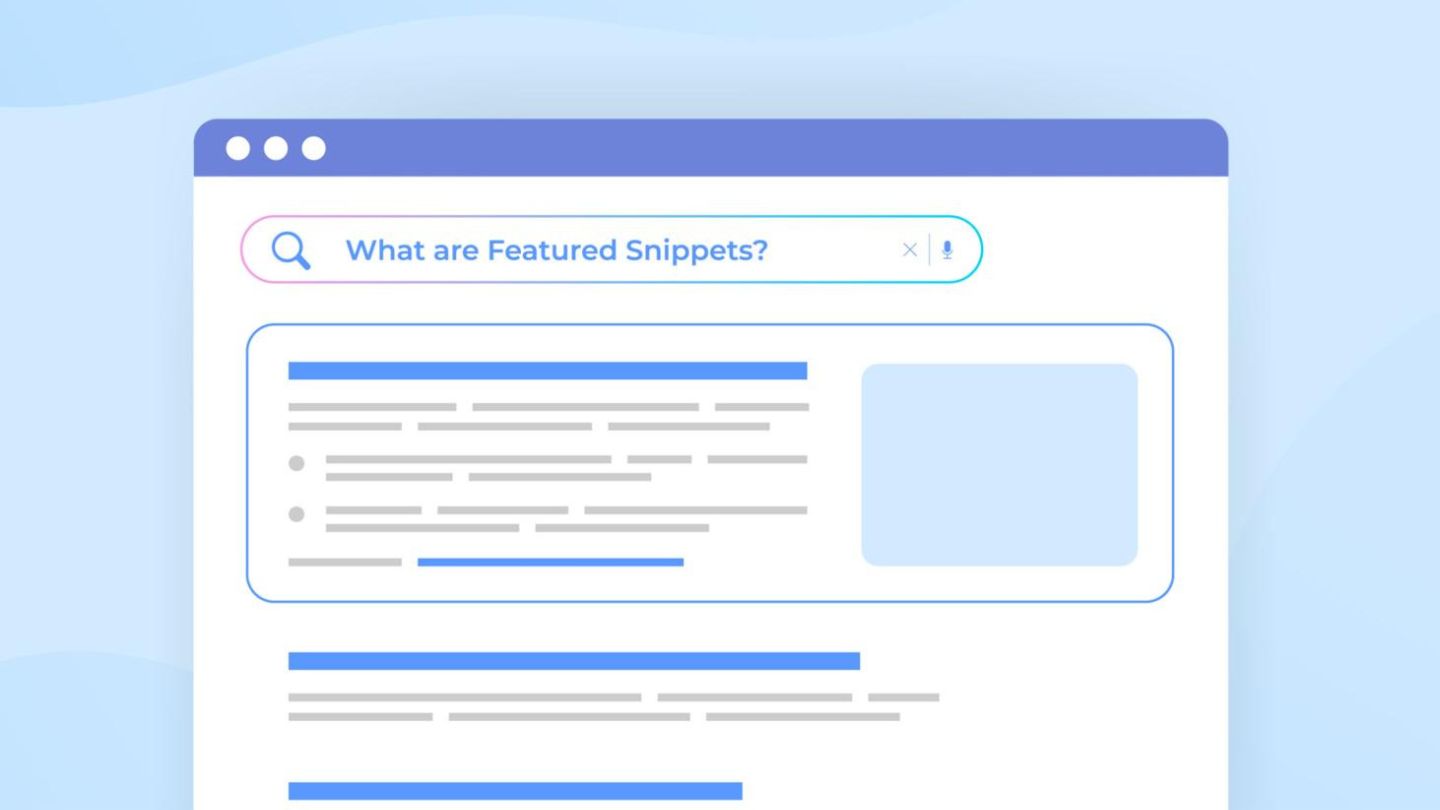
- Search Features: Google’s Featured Snippets, “People Also Ask” boxes, and Knowledge Graphs.
Why AEO Is the Future of Search
The rise of AEO doesn’t mean SEO is dead, but it does mean the landscape is becoming more competitive. Here is why you cannot ignore this shift.
1. The Explosion of Voice Search
With smart speakers in millions of homes and voice assistants on every smartphone, voice search is a massive driver of AEO. Voice queries are conversational and question-based. Unlike typing “weather Paris,” a user asks, “What is the weather like in Paris right now?” To capture this traffic, your content must mimic natural language and provide a direct response that a machine can easily read back to the user.
As discovery expands beyond Google, understanding why alternative search engines matter and how to optimize becomes essential. AI chat platforms, privacy-focused search engines, and ecosystem-based assistants are influencing how answers are surfaced and which brands are cited.
2. The Demand for Immediate Gratification
Modern users are impatient. They want answers instantly. Platforms like Google understand this, which is why they prioritize features like AI Overviews and snippets. If your content provides a direct answer, you gain visibility at the very top of the results page (Position Zero). If your content buries the answer under 1,000 words of fluff, the user—and the answer engine—will skip right past you.
3. AI-First Discovery
Generative AI engines are becoming primary discovery tools. Users are turning to tools like ChatGPT to plan travel itineraries, debug code, or find product recommendations. These engines don’t just list websites; they synthesize information. If your brand isn’t optimized to be cited by these AI models, you effectively disappear from a growing segment of the search market.
This future of search fits into the broader conversation around SEO vs AIO vs GEO vs AEO in modern search strategy, where traditional ranking tactics now intersect with AI-driven discovery, generative engines, and conversational interfaces.
How AEO Differs from Traditional SEO
While they share DNA, AEO and SEO have distinct goals and tactics.
- Goal: SEO aims to drive traffic to a website. AEO aims to provide the answer directly on the platform (brand visibility and authority).
- Keywords: SEO focuses on short-tail and long-tail keywords. AEO focuses on conversational, question-based queries (Who, What, Where, When, Why, How).
- Structure: SEO often prioritizes comprehensive, long-form guides. AEO prioritizes structured data, concise summaries, and clear formatting that machines can easily parse.
However, they are not mutually exclusive. Strong SEO provides the foundation for AEO. You need authority and technical health (SEO) to be trusted enough to provide the answer (AEO).
Strategies to Master Answer Engine Optimization
Optimizing for answer engines requires a shift in how you structure and write content. It’s less about “optimizing for keywords” and more about “optimizing for understanding.” Here are the key strategies to implement.
1. Target Question-Based Queries
The first step is to identify the questions your audience is asking. Use tools like AnswerThePublic, Google’s “People Also Ask” section, and Quora to find common queries related to your industry.
Focus on the “5 Ws and 1 H”:
- What is X?
- How do I do Y?
- Why does Z happen?
- Where can I find A?
- When should I start B?
- Who is responsible for C?
Create content that specifically addresses these questions. If you sell gardening supplies, don’t just write a generic post about “Tomatoes.” Write a specific article or section titled “When is the best time to plant tomatoes in Zone 5?”
2. Implement the “Inverted Pyramid” Style
Journalists have used the inverted pyramid for decades: put the most important information first. For AEO, this is crucial.
Start your content with the direct answer. If the question is “What is AEO?”, your first paragraph should define it clearly and concisely in 2-3 sentences. Do not ramble about the history of the internet before getting to the point.
Once you have provided the direct answer (the “snippet-bait”), you can then expand into more detail, provide examples, and add context later in the article. This structure satisfies the answer engine looking for a quick summary while also satisfying the user who wants a deep dive.
3. Use Structured Data (Schema Markup)
Robots need help understanding context. Schema markup is code that you add to your website to help search engines understand what your content means. It essentially labels your data.
For AEO, specific Schema types are incredibly powerful:
- FAQ Schema: Tells Google that a section of your page is a list of questions and answers.
- How-To Schema: Breaks down a process into distinct steps, perfect for voice assistants guiding a user through a task.
- Article/Q&A Schema: Helps identify the primary topic and the specific answers provided.
By using Schema, you make it easy for algorithms to extract your content and present it as a rich result or a direct answer.
4. Optimize for Conversational Language
Write how people speak. Voice search queries are natural and conversational. If your content sounds like a robotic academic paper, it won’t match the user’s intent.
Use active voice and simple sentence structures. Avoid jargon where possible. Read your content out loud. Does it sound like a natural answer you would give a friend? If not, rewrite it. Answer engines prefer content that sounds human because their goal is to simulate a human conversation.
5. Build Authority and Trust (E-E-A-T)
Answer engines prioritize credibility. They do not want to give users incorrect medical advice or fake news. Google’s E-E-A-T guidelines (Experience, Expertise, Authoritativeness, Trustworthiness) are heavily weighed in AEO.
- Cite Sources: Link to reputable studies and data.
- Author Bios: Clearly identify who wrote the content and why they are an expert.
- Keep Content Updated: Old answers are often wrong answers. Regularly refresh your content to ensure accuracy.
- Brand Mentions: Work on digital PR to get your brand mentioned by other authoritative sites. This signals to the AI that you are a trusted entity in your space.
6. Create “Snippet-Bait” Definitions
A “featured snippet” often looks for a concise definition. To capture this, structure your headings and paragraphs deliberately.
- Use an H2 heading for the question (e.g., “How long does it take to boil an egg?”).
- Immediately follow it with a <p> tag containing the answer (e.g., “It takes approximately 7 to 10 minutes to boil an egg for a hard-boiled consistency.”).
- Keep this answer paragraph under 50 words.
- Follow up with a bulleted list if applicable.
This formatting is essentially “bait” for the algorithms looking to pull a quick snippet.
The Role of AI in Content Creation

Ironically, to optimize for AI, you can use AI. Tools like ChatGPT can help you identify gaps in your current content. Ask an AI model questions related to your business and see what answers it provides.
- Does it cite your competitors?
- Does it give a vague answer?
- Does it get the facts wrong?
Use this information to create better, more accurate content that fills those gaps. If the AI doesn’t have a good answer, that is your opportunity to provide one.
Measuring Success in AEO
Measuring AEO success is trickier than traditional SEO because you might not always get the click. If a user gets their answer from Siri, they don’t visit your site. However, there are metrics to watch:
- Impressions: Are you appearing more frequently in search results?
- Featured Snippets: Use tools like SEMrush or Ahrefs to track how many snippets you own.
- Brand Awareness: A rise in direct traffic or branded search volume often correlates with high AEO performance.
- Click-Through Rate (CTR): While some searches are zero-click, being the featured answer often still drives significant traffic from users who want more detail.
The Future Is Conversational
The transition to Answer Engine Optimization is not a fad; it is the natural progression of technology. As AI models become more sophisticated, they will become the primary gatekeepers of information. Businesses that cling to old keyword-stuffing tactics will find themselves invisible in this new landscape. Those who embrace AEO—focusing on clarity, authority, and utility—will become the trusted voice that millions of users hear when they ask a question. It is about respecting the user’s time. By providing the best answer in the fastest format, you build trust. And in the digital economy, trust is the ultimate currency. Adapting to the nuances of Answer Engine Optimization requires a strategic blend of technical skill and high-quality content creation. It is not just about writing for algorithms; it is about writing for the people who use them.
At The Ocean Marketing, we understand the shifting tides of digital search and SEO. Our team specializes in creating forward-thinking strategies that position your brand as the authoritative answer in your industry. Whether you need to structure your data for AI or refine your content for voice search, we have the expertise to guide you. If you are ready to future-proof your digital presence and capture the top spot in the age of AI, contact us today. Partner with us to strengthen your brand’s search engine optimization and position your business as the top choice for your customers. Begin with a free SEO audit to reveal untapped opportunities, pinpoint areas for improvement, and build a strategic roadmap for higher rankings and long-term growth.