Skip to content
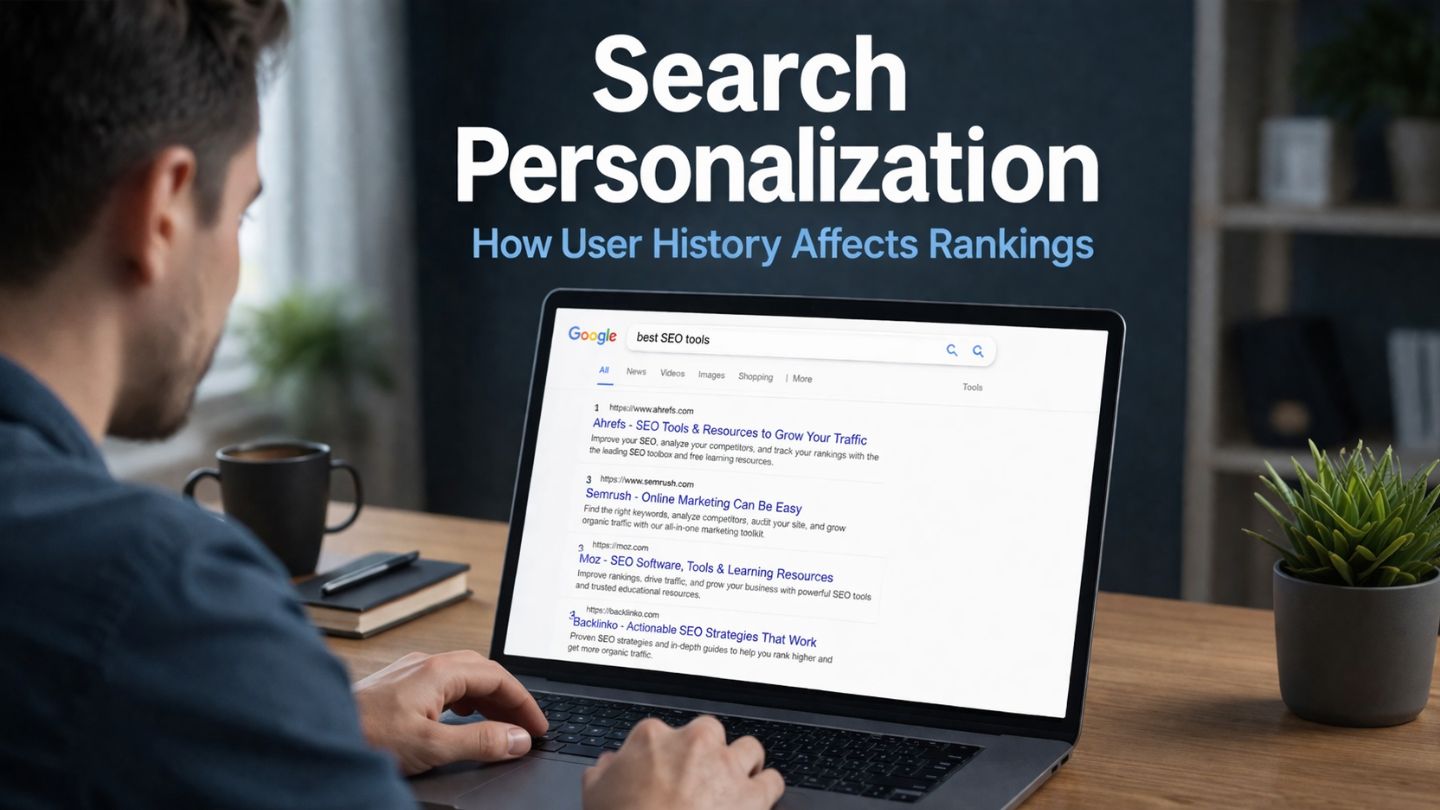
Search engines are no longer one-size-fits-all. Today, results are shaped by individual behavior, preferences, and past interactions, making every search experience unique. Search personalization has transformed how users discover content, ensuring that results align closely with their intent, interests, and browsing patterns. For businesses and marketers, this means that visibility in search results is no longer just about ranking for keywords; it is about understanding users on a deeper level. As personalization continues to evolve, adapting your SEO strategy becomes essential to stay relevant and competitive in dynamic search environments.
Key Takeaways
- Search personalization tailors’ results based on user behavior and preferences
- Factors like search history, location, and device influence rankings
- Personalized results can vary significantly between users
- Content relevance and user intent play a major role in visibility
- Strong SEO strategies must adapt to personalized search experiences
- User engagement signals contribute to long-term ranking success
What Is Search Personalization?
Search personalization refers to the process by which search engines customize results for individual users based on their past behavior, preferences, and contextual signals. Instead of delivering the same results to everyone, search engines analyze data such as previous searches, clicked links, location, and even device usage to provide more relevant outcomes.
This approach improves user experience by reducing the time needed to find useful information. For example, a user frequently searching for digital marketing resources may see more industry-related content in their results compared to someone with no prior interaction in that space. As a result, rankings become fluid and user-specific rather than fixed and universal.
How User History Shapes Search Results
User history is one of the most influential factors in search personalization. It provides search engines with insights into what a user prefers, what they engage with, and what type of content they find valuable.
When users repeatedly visit certain types of websites or search for similar topics, search engines recognize these patterns and adjust results accordingly. This means that even if two users search for the same keyword, they may see entirely different results based on their browsing behavior. For instance, if a user consistently clicks on blog content over product pages, search engines may prioritize informational content for them. Similarly, users who frequently engage with specific websites may see those domains ranked higher in their personalized results.
The Role of Search Intent in Personalization
Understanding search intent is central to how personalization works because search engines use past behavior to decide what type of content best matches a query. A deeper understanding of search intent and why it is important for SEO also helps explain why two users can search the same phrase and still receive different results.
There are typically three main types of search intent:
- Informational (seeking knowledge)
- Navigational (looking for a specific website)
- Transactional (ready to take action or make a purchase)
User behavior helps search engines determine which type of intent is most relevant for a particular individual. Over time, this allows search engines to predict what kind of content a user is most likely to engage with, improving the accuracy of results. For businesses, aligning content with different types of intent ensures better visibility across personalized search experiences.
Location and Device Influence

Search personalization is not limited to browsing history alone. Location and device type also play a significant role in shaping search results. Local searches often display results tailored to a user’s geographic area. For example, someone searching for services will see results relevant to their city or region. This makes local optimization an important part of any strategy.
Device usage also impacts personalization. Mobile users may see different results compared to desktop users, often with a focus on speed, accessibility, and mobile-friendly content. This becomes even more relevant with voice search optimization, where search engines interpret natural language and user context more precisely.
User Engagement Signals and Their Impact
User engagement signals such as click-through rates, time spent on a page, and bounce rates contribute significantly to personalized rankings. These signals help search engines understand which content resonates with users.
If a user frequently interacts with certain types of content, search engines may prioritize similar content in future searches. This creates a feedback loop where user behavior continuously refines search results. For website owners, this highlights the importance of creating engaging, high-quality content that encourages users to stay, interact, and return.
Why Rankings Differ for Every User
One of the biggest implications of search personalization is that rankings are no longer static. Two users searching for the same keyword may see different results based on their individual profiles.
Factors influencing these differences include:
- Past search queries
- Browsing history
- Location
- Device type
- Interaction patterns
This variability makes it challenging to track rankings using traditional methods. Instead of focusing solely on position, businesses must consider overall visibility, traffic quality, and user engagement.
The Impact on SEO Strategies
Search personalization has fundamentally changed how SEO works. Traditional keyword-focused strategies are no longer enough to guarantee visibility. Modern SEO requires a more holistic approach that considers user behavior, content relevance, and engagement. This includes:
- Creating high-quality, user-focused content
- Optimizing for different types of search intent
- Improving website usability and experience
- Building authority and trust through valuable information
By focusing on user needs rather than just search engines, businesses can perform better across personalized search results.
Content Relevance and Context Matter More Than Ever
In a personalized search environment, relevance is key. Search engines prioritize content that aligns closely with user interests and context. This means that generic content is less likely to perform well compared to content that addresses specific needs. Understanding your audience, their preferences, and their behavior allows you to create content that resonates more effectively. Context also plays a role. For example, a user searching for a topic after reading related content may receive more advanced or detailed results compared to a beginner searching the same query.
Challenges of Search Personalization
While personalization improves user experience, it also presents challenges for businesses and marketers. One major challenge is the difficulty in tracking accurate rankings. Since results vary from user to user, it becomes harder to measure performance using traditional ranking tools. Personalized results also change how users interact with the search page itself, especially as Google provides instant answers that reduce the need for website visits. This shift reflects how zero-click searches are impacting SEO and how to adapt, particularly for brands trying to maintain visibility when user behavior is shaped before a click ever happens.
Another challenge is maintaining visibility across different audience segments. Businesses must create content that appeals to a wide range of users while still addressing individual preferences. Additionally, personalization can limit exposure to new content, as users are often shown results similar to what they have previously engaged with. This makes it important for businesses to consistently create fresh and diverse content.
How to Adapt to Personalized Search

Adapting to search personalization requires a shift in mindset. Instead of focusing solely on rankings, businesses should prioritize user experience and content quality.
Some effective strategies include:
- Understanding your target audience deeply
- Creating content that addresses multiple stages of the user journey
- Encouraging engagement through interactive and valuable content
- Optimizing for mobile and local searches
- Continuously analyzing user behavior and performance metrics
By focusing on these areas, businesses can improve their chances of appearing in personalized search results.
The Future of Search Personalization
Search personalization is expected to become even more advanced with the integration of artificial intelligence and machine learning. These technologies enable search engines to better understand user behavior and deliver highly accurate results. Voice search, predictive search, and real-time data analysis will further enhance personalization. As a result, businesses will need to stay agile and continuously adapt their strategies. The focus will increasingly shift toward creating meaningful user experiences rather than simply optimizing for algorithms.
Conclusion
Search personalization has changed the way rankings work by making search results more dynamic and user-specific. Instead of showing the same results to everyone, search engines now consider factors such as browsing history, search behavior, location, device usage, and engagement patterns to deliver more relevant content. This shift makes it essential for businesses to focus on relevance, user intent, content quality, and overall experience if they want to maintain visibility and build stronger connections with their audience.
At The Ocean Marketing, we help businesses strengthen their SEO strategy with approaches built around changing search behavior and real user intent. Whether you want to improve visibility, create more relevant content, or identify growth opportunities, our team is here to support you. Get started with a free SEO audit and let us help you build a stronger online presence. Contact us today to get started and achieve measurable results.