Skip to content
Graphic design plays a critical role in how brands communicate, connect, and convert their audience. From the logo that defines a brand’s identity to the user experience of a website, design influences perception at every touchpoint. However, graphic design is not a single skill; it is a collection of specialized disciplines, each serving a distinct purpose.
In this blog, understanding the different types of graphic design and why specialization matters can help businesses avoid common mistakes, improve performance, and create meaningful brand experiences. Choosing the right design expertise ensures that visuals support both creativity and strategy.
Key Takeaways
- Graphic design is a multi-disciplinary field, with each specialization, such as visual identity, UI/UX, motion, and packaging, serving a distinct purpose in brand communication.
- Specialization in graphic design leads to stronger results, ensuring visuals are not only aesthetically appealing but also functional, user-focused, and aligned with business goals.
- Visual identity and marketing design play a critical role in brand recognition and conversions, helping businesses build trust and avoid common design mistakes.
- UI and UX design directly impact user engagement and retention, making specialized expertise essential for creating intuitive and effective digital experiences.
- Choosing a specialized design partner supports long-term brand growth, especially when combined with strategic insights such as performance analysis and SEO evaluation.
Visual Identity Graphic Design
Visual identity graphic design focuses on creating the core elements that define a brand. This includes logos, typography, color palettes, and brand guidelines that ensure consistency across all platforms.
A strong visual identity builds trust and recognition over time. When branding is handled by a specialist rather than a generalist, the result is a cohesive system rather than disconnected visuals. This consistency becomes especially important as brands scale and expand across digital channels.
Much like identifying gaps through a content gap analysis helps improve content strategy, a well-developed visual identity fills branding gaps that can otherwise weaken audience trust.
Marketing and Advertising Graphic Design
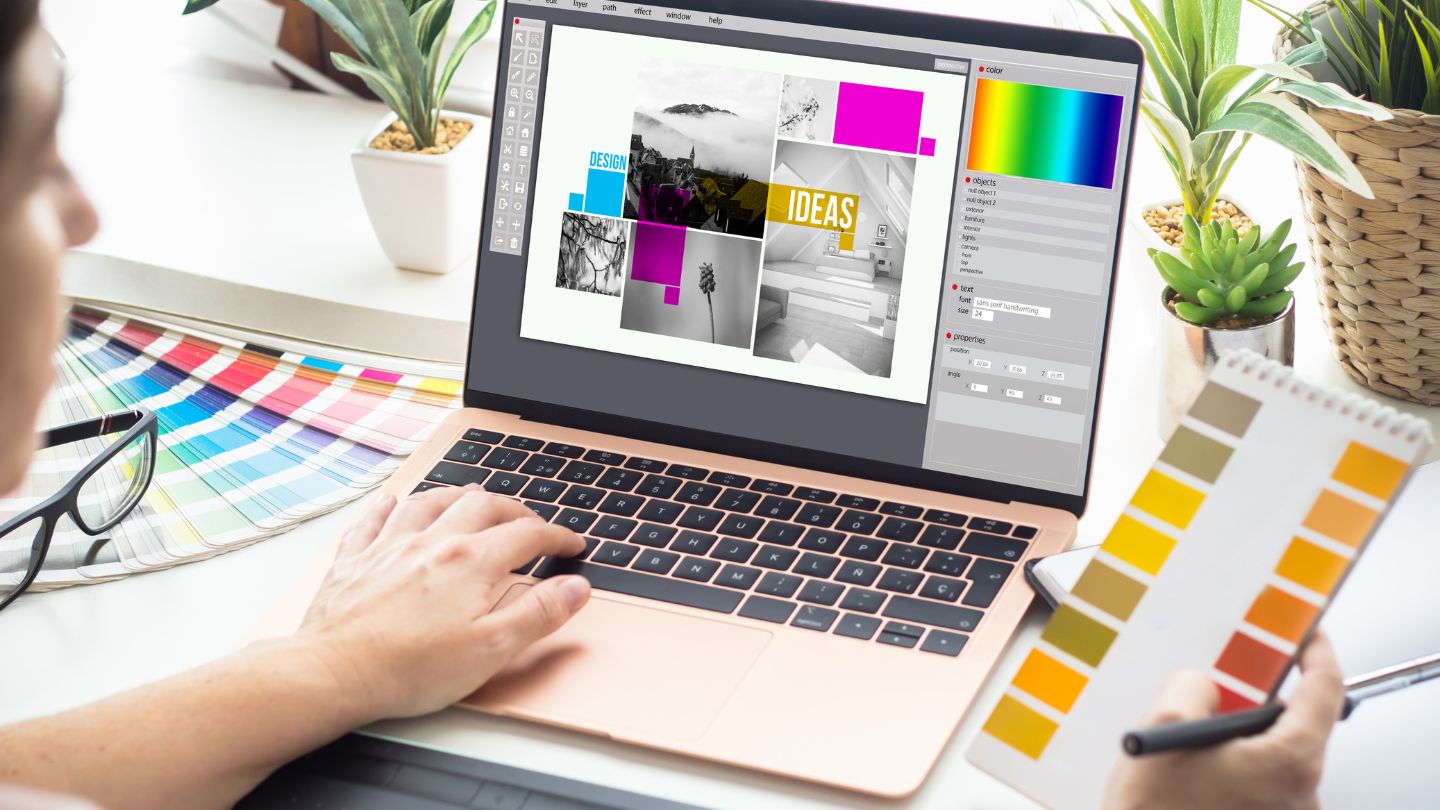
Marketing and advertising graphic design focuses on visuals that drive action. These include social media creatives, display ads, email banners, brochures, and campaign visuals.
Designers in this specialization understand how visual hierarchy, messaging, and platform requirements work together to improve engagement. This is where design meets performance. Without specialized expertise, brands often struggle with visuals that look good but fail to convert.
Many small business website design mistakes stem from using non-specialized marketing visuals that don’t align with user behavior or campaign goals.
UI (User Interface) Graphic Design
UI graphic design focuses on how digital products look and function. This includes website layouts, app interfaces, icons, buttons, and visual components that users interact with directly.
A visually appealing interface is not enough; it must also be intuitive. This is why UI designers work closely with UX principles to ensure clarity and usability. Poor UI choices often result in high bounce rates, even when the brand identity is strong.
As highlighted in discussions around effective web design for small businesses, remembering that UI design is a specialized discipline can significantly improve user engagement and trust.
UX (User Experience) Design
User experience design goes beyond visuals and focuses on how users feel while navigating a website or application. UX designers conduct research, map user journeys, create wireframes, and test usability.
Understanding the importance of user experience in web design helps explain why UX should never be treated as an afterthought. A visually impressive design can still fail if users struggle to find information or complete actions.
Specialization in UX ensures that design decisions are driven by real user needs rather than assumptions, ultimately leading to better retention and higher conversions.
Publication Graphic Design
Publication graphic design deals with long-form content such as magazines, reports, eBooks, and catalogs. This specialization focuses on typography, layout structure, spacing, and readability.
Designers in this field know how to guide readers through complex information without overwhelming them. Much like conducting a content gap analysis, publication designers organize content in a way that enhances clarity and flow.
Without specialized publication design, long-form content often feels cluttered and difficult to consume.
Packaging Graphic Design
Packaging graphic design combines creativity with functionality. It includes product packaging, labels, and box designs that must attract attention while clearly communicating essential information.
Specialists in packaging design understand materials, printing limitations, compliance requirements, and consumer behavior. Packaging is often the first physical interaction a customer has with a brand, making it a powerful marketing tool.
When packaging design lacks expertise, brands risk poor shelf visibility and inconsistent branding.
Motion Graphic Design
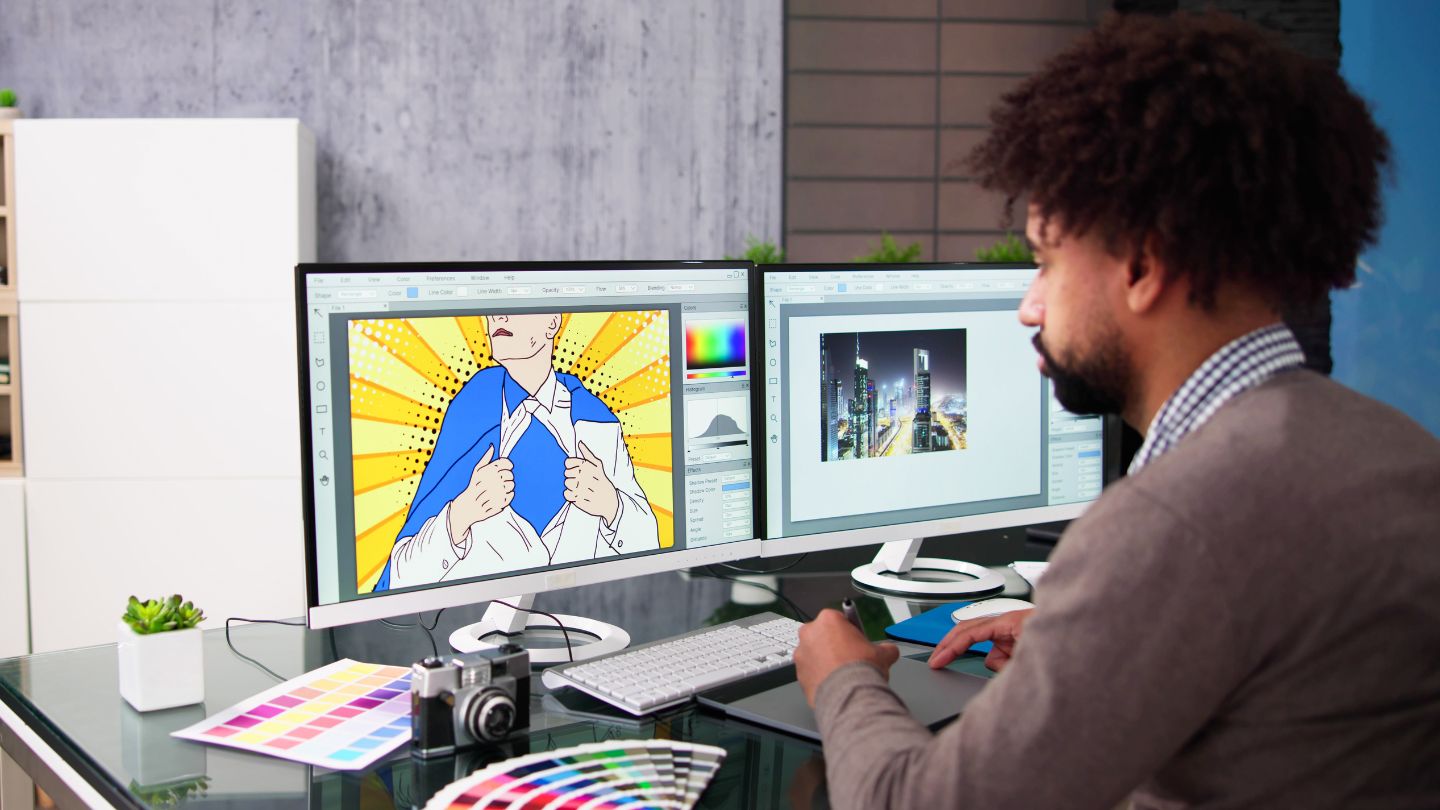
Motion graphic design brings static visuals to life through animation. This includes explainer videos, animated logos, social media animations, and UI transitions.
In a digital landscape where attention spans are short, motion graphics help communicate ideas quickly and effectively. While automation tools are evolving, discussions around AI vs. content marketers clearly show that human creativity still wins when storytelling and emotional connection matter.
Motion design specialists ensure animations align with brand identity rather than feeling generic or disconnected.
Environmental Graphic Design
Environmental graphic design focuses on visual communication within physical spaces. This includes signage, wayfinding systems, exhibitions, murals, and branded interiors.
This specialization requires an understanding of spatial design, user movement, and real-world interactions. When done well, environmental design enhances experiences and strengthens brand presence in physical environments.
General graphic design skills alone are rarely sufficient for this type of work, making specialization essential.
Why Specialization in Graphic Design Matters
Each type of graphic design solves a different problem. While general design knowledge provides a foundation, specialization allows designers to deliver more strategic, effective, and results-driven solutions.
For businesses, working with specialists reduces trial-and-error, avoids costly redesigns, and prevents issues commonly seen in poorly planned web and marketing visuals. Investing in user-focused design approaches leads to stronger branding and better outcomes.
Specialization ensures that design decisions are intentional, scalable, and aligned with business goals.
Final Thoughts
Graphic design today goes far beyond visual appeal. It plays a crucial role in communication, usability, and overall brand impact. From visual identity and marketing creatives to UI, UX, motion graphics, and environmental design, each type of graphic design serves a specific purpose. Understanding these different specializations helps brands choose the right expertise, avoid costly design mistakes, and create consistent, user-focused visual experiences that support long-term growth.
At The Ocean Marketing, our graphic design services are built around this specialized approach. We combine strategic thinking with creative execution to ensure every design element supports your business goals, enhances user experience, and strengthens brand identity. If you want to take your digital presence a step further, we also recommend starting with our Free SEO Audit to understand how your design and content perform together online. Reach out to contact us today to discuss how our expertise can bring clarity, creativity, and measurable impact to your brand.