Skip to content
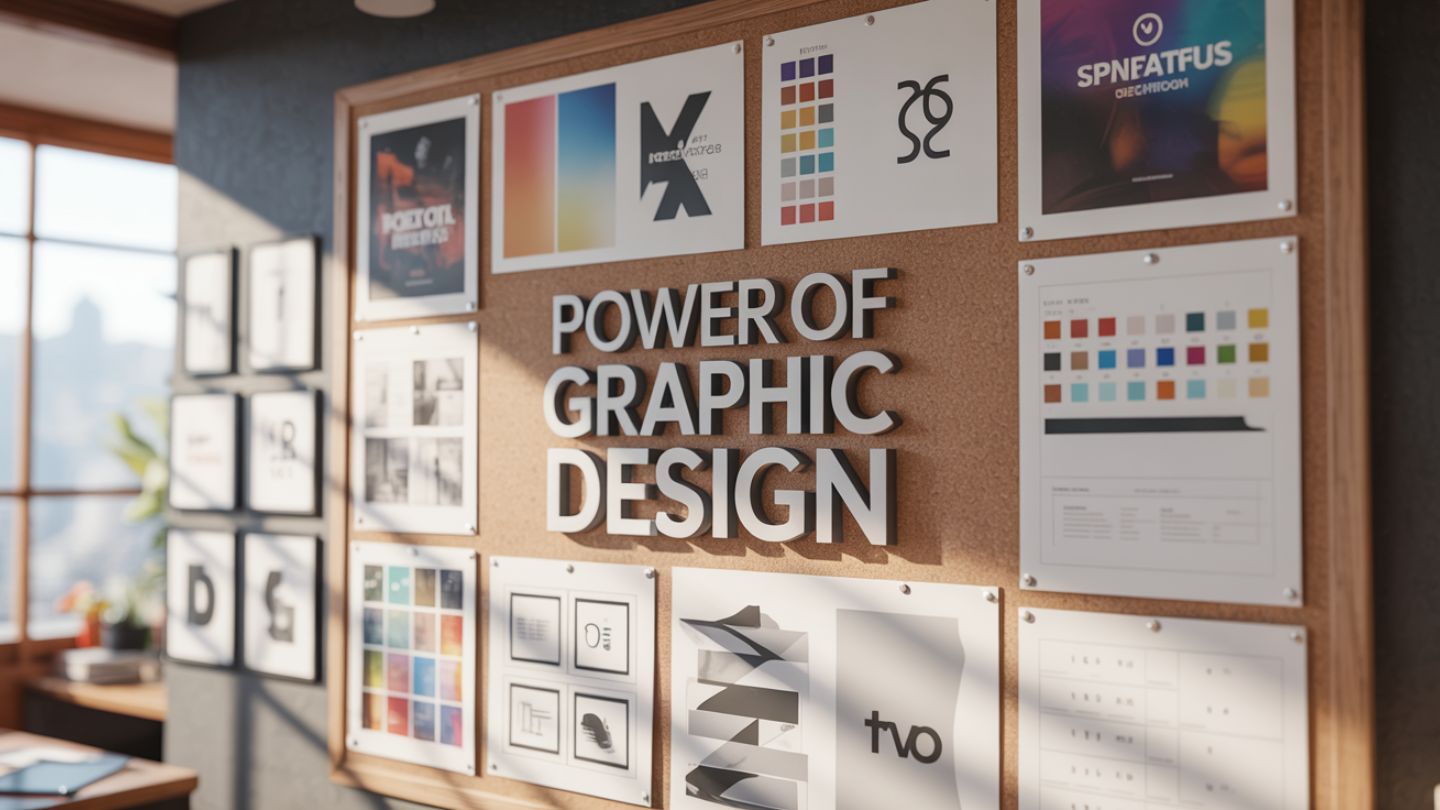
In today’s competitive digital landscape, brands must do more than simply exist online; they must stand out. With countless businesses competing for attention across websites, social media, and digital ads, visual communication has become a deciding factor in marketing performance. This is where graphic design plays a critical role in shaping digital marketing success.
Graphic design is no longer limited to aesthetics. In this blog, we explore how it influences how users perceive a brand, interact with content, and ultimately make purchasing decisions. From quality web design to high-performing landing pages, visual design has become the backbone of effective digital marketing strategies.
Key Takeaways
- Strong visual design helps brands create a positive first impression, build trust, and establish professionalism across digital platforms.
- Cohesive visuals across websites, social media, and marketing assets improve brand recall and reinforce a strong, recognizable identity.
- Well-structured layouts, clear visual hierarchy, and intuitive design improve usability, encouraging users to stay longer and interact more.
- From landing pages to call-to-action elements, effective design guides user behavior and plays a key role in driving measurable marketing results.
- Beyond aesthetics, graphic design supports storytelling, content marketing, and digital campaigns, helping brands stand out in a competitive online landscape.
First Impressions Begin with Design
When users land on a website or see a brand online for the first time, visuals create an immediate impression. Layout, color choices, typography, and imagery determine whether visitors stay or leave within seconds. This is why quality web design is important for small businesses that want to establish credibility in a crowded digital space.
A professionally designed interface signals trust and legitimacy. On the other hand, outdated or cluttered visuals can push users away before they even read the message. In digital marketing, design is often the first interaction between a brand and its audience, and that interaction must be impactful.
Graphic Design Strengthens Brand Identity
Strong branding depends heavily on consistency, and graphic design ensures that consistency across all digital channels. From logos and brand colors to visual styles used in ads and social media posts, cohesive design helps reinforce brand identity.
When users repeatedly encounter familiar visual elements, brand recognition improves. Over time, this recognition builds trust and loyalty. Whether it’s a website, social media campaign, or email marketing visual, consistent design communicates professionalism and reliability, which are essential for long-term marketing success.
The Role of Design in User Experience
Visual design is deeply connected to usability. A well-designed interface guides users smoothly through a website, making navigation intuitive and content easy to consume. This is why user experience (UX) is important in web design, especially in digital marketing environments where user attention is limited.
Graphic design helps structure information using visual hierarchy, spacing, and alignment. Clear headings, readable fonts, and balanced layouts reduce friction and improve engagement. When users enjoy interacting with a website or platform, they are more likely to stay longer and take action.
Driving Engagement Through Visual Content
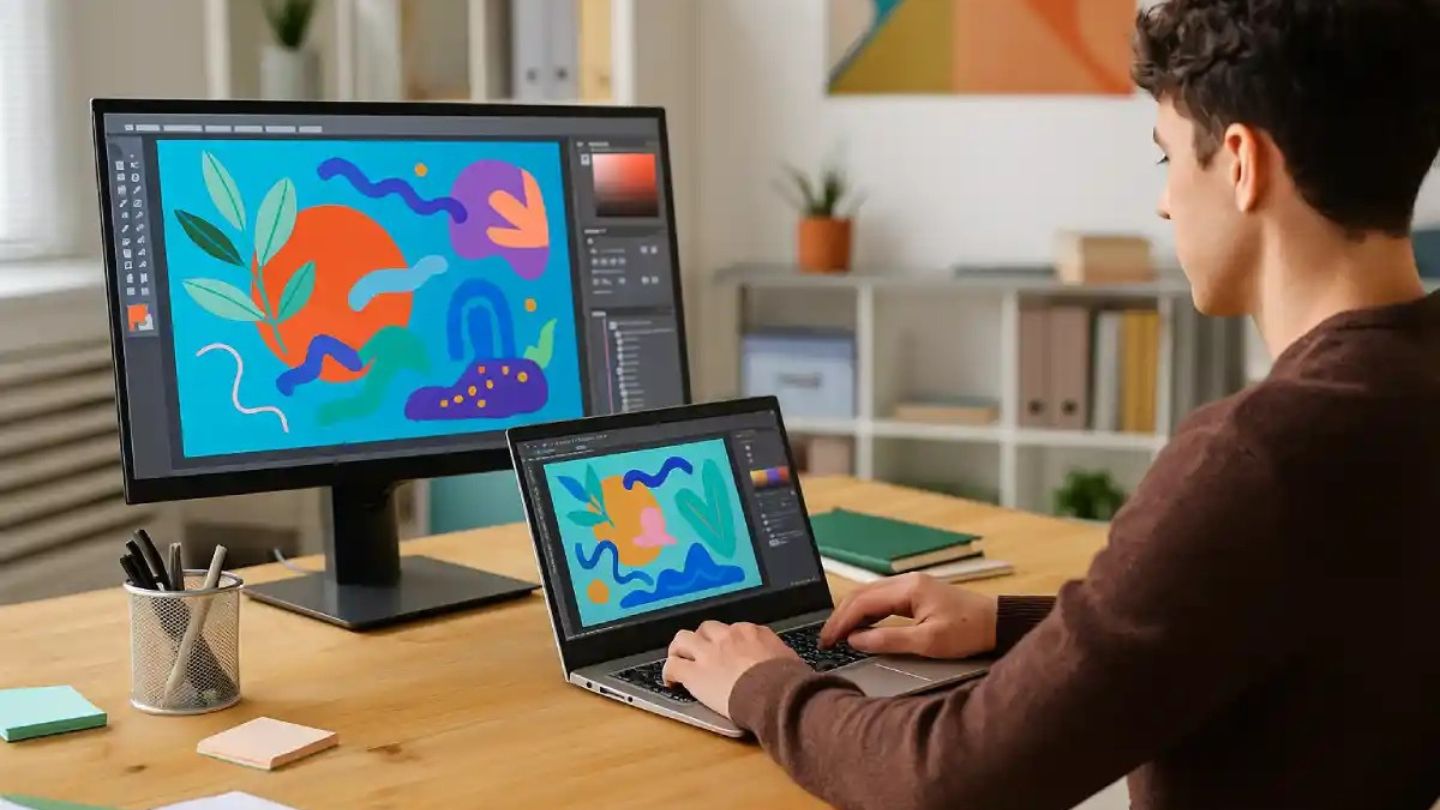
Digital marketing thrives on engagement, and visuals play a major role in capturing attention. Content supported by compelling graphics performs significantly better across platforms, especially on social media, where competition for visibility is intense.
Custom-designed visuals help brands communicate messages faster and more effectively. Infographics, banners, social media creatives, and illustrations break down complex ideas into digestible formats. By pairing strong messaging with thoughtful design, brands can improve interaction, shares, and audience retention.
Graphic Design and Conversion Optimization
One of the most measurable impacts of graphic design is its effect on conversions. Design elements influence how users interact with calls to action, forms, and buttons. This is particularly evident when exploring different types of landing pages, where layout and visual flow can determine success or failure.
Landing pages that use strategic design, such as contrasting CTA buttons, clear visual paths, and engaging imagery, encourage users to take the next step. Whether the goal is lead generation, sign-ups, or sales, graphic design plays a crucial role in guiding users toward conversion.
Supporting Content Marketing with Visuals

Content marketing relies on storytelling, and graphic design enhances that storytelling by making content visually appealing and easier to consume. Blogs, videos, and downloadable resources benefit from featured images, diagrams, and structured layouts that keep readers engaged.
While automation and AI tools are increasingly common, creativity remains a defining factor in effective marketing. This aligns with the discussion around AI vs content marketers, where human creativity continues to win. Graphic design brings originality, emotional depth, and brand personality that automated tools struggle to replicate.
Building Trust Through Professional Design
Trust is essential in digital marketing, especially for brands that operate entirely online. Professional graphic design helps establish authority and credibility by presenting the brand in a polished and consistent manner.
Users often associate high-quality visuals with high-quality services. Clean design, balanced layouts, and thoughtful imagery communicate attention to detail. When audiences trust a brand visually, they are more likely to trust its offerings as well.
Adapting Design for a Mobile-First Audience
With mobile usage dominating digital interactions, graphic design must be responsive and adaptable. Visuals need to function seamlessly across devices without losing clarity or impact.
Mobile-friendly design improves usability and reduces frustration, directly affecting engagement and conversion rates. Digital marketing strategies that prioritize responsive design are better positioned to meet user expectations in a mobile-first world.
Graphic Design as a Strategic Marketing Asset
Graphic design is no longer just a creative add-on; it is a strategic component of digital marketing. It supports branding, enhances user experience, drives engagement, and improves conversion performance.
Businesses that invest in strong visual design gain a competitive advantage by communicating clearly and consistently across all digital touchpoints. From websites and social media to landing pages and campaigns, design shapes how brands are experienced online.
Final Thoughts
Graphic design plays a vital role in today’s digital marketing success by shaping how brands are seen, experienced, and remembered online. It influences first impressions, strengthens brand identity, enhances user experience, and supports measurable marketing results. In an environment where audiences are constantly exposed to digital content across multiple platforms, thoughtful and strategic design helps brands stand out, communicate clearly, and build meaningful connections with their target audience.
If you’re looking to elevate your brand’s visual presence, The Ocean Marketing offers professional graphic design services designed to align creativity with measurable marketing outcomes. Our team blends innovative design with data-driven insights to help businesses grow their digital impact. To ensure your overall digital strategy is performing at its best, we also recommend starting with a Free SEO Audit to identify growth opportunities and improve visibility. Contact us today to help your brand create a lasting visual impression and strengthen its online performance.