Skip to content
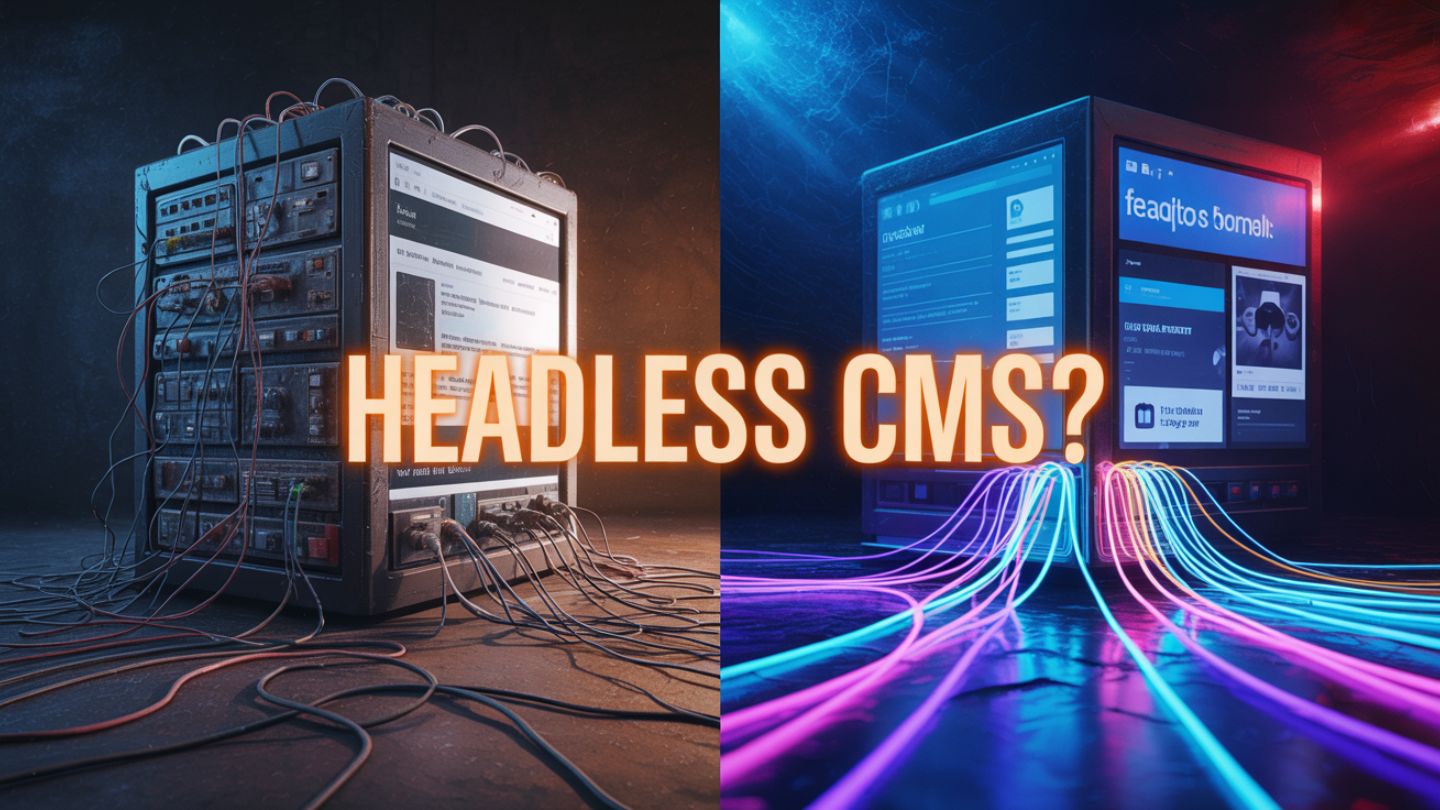
The e-commerce industry has transformed significantly over the past decade. Customers now expect fast-loading websites, seamless navigation, personalized shopping experiences, and the ability to browse and purchase products across multiple devices. Traditional content management systems often struggle to meet these growing expectations because they tightly connect the content backend with the website’s frontend. As online competition increases, businesses are looking for solutions that provide more flexibility, scalability, and performance. This is where Headless CMS has emerged as a powerful solution for modern e-commerce platforms.
A headless CMS separates the content management backend from the frontend presentation layer. Instead of controlling how content is displayed, it simply delivers content through APIs. This architecture allows developers to build custom frontends using modern technologies while maintaining centralized content management. For e-commerce businesses that want to create fast, scalable, and highly customized digital shopping experiences, headless CMS is quickly becoming the preferred approach.
Key Takeaways
- A Headless CMS separates the backend from the frontend, giving businesses more flexibility in how content is displayed.
- It allows e-commerce websites to deliver faster performance and improved user experiences.
- Businesses can manage content across multiple platforms, including websites, mobile apps, and smart devices.
- Headless CMS architecture makes it easier to scale operations during traffic spikes and seasonal sales.
- Developers gain greater freedom to build unique and highly customized e-commerce experiences.
- It supports advanced integrations with marketing tools, analytics platforms, and e-commerce systems.
- A headless approach helps businesses future-proof their websites by making it easier to adopt new technologies.
What is a Headless CMS?
A Headless CMS is a content management system that focuses entirely on storing and managing content without controlling how that content is displayed. Unlike traditional CMS platforms, which combine content management with predefined templates and themes, a headless CMS removes the presentation layer entirely. In this setup, the CMS acts as the “body” that stores and organizes content, while the “head” (the frontend interface) is handled separately. Content is delivered through APIs that allow developers to send information to any platform or application.
For e-commerce businesses, this means product descriptions, images, pricing details, and promotional content can be stored in one place and distributed across multiple digital channels. A website, mobile application, or even a smart device can retrieve the same content from the CMS and display it in a way that suits the platform. This separation provides businesses with much greater control over the customer experience. Instead of being limited by CMS templates, developers can design unique storefronts, interactive product pages, and dynamic shopping experiences. Many modern platforms now prioritize custom website design over pre-built templates, especially when businesses want to deliver tailored digital experiences that align with brand identity and evolving search engine expectations.
Faster Website Performance
Speed plays a critical role in e-commerce success. Studies show that even a one-second delay in page loading can significantly reduce conversion rates and increase bounce rates. Customers today expect websites to load almost instantly, especially when browsing products or completing purchases. Headless CMS architecture allows developers to build websites using modern frontend frameworks such as React, Vue, or Next.js. These frameworks are optimized for performance and can deliver content much faster than traditional CMS-based websites.
Because the backend and frontend operate independently, content is delivered through lightweight APIs rather than heavy page templates. This reduces the amount of unnecessary code that loads on each page, resulting in faster website performance.
For e-commerce businesses, faster websites lead to better user experiences. Customers can browse products quickly, navigate categories easily, and complete purchases without delays. Performance improvements are also closely tied to above-the-fold website design, where the most important content loads immediately to capture attention and reduce bounce rates, aligning with what Google and users expect from modern websites. Improved performance also contributes to better search engine rankings, as website speed is a key factor in SEO. Ultimately, a faster website helps businesses reduce friction in the shopping process and increase conversions.
Omnichannel Content Delivery
Modern customers interact with brands across many different platforms. A customer might first discover a product on social media, browse it on a mobile app, and finally complete the purchase on a desktop website. Traditional CMS platforms often struggle to maintain consistent content across these multiple channels. Managing updates separately for each platform can lead to inconsistencies, outdated product information, and a fragmented user experience. Headless CMS solves this challenge by enabling omnichannel content delivery. Since all content is stored centrally and delivered through APIs, it can be easily distributed to any platform.
For example, a product description created in the CMS can automatically appear on:
- The main e-commerce website
- A mobile shopping application
- Smart devices or voice assistants
- Social media shopping integrations
This centralized content management ensures that product information remains accurate and consistent across all digital touchpoints. Businesses can also update product details or promotions once and instantly apply those changes everywhere. Creating consistent experiences across multiple platforms also requires a strong understanding of the difference between UI and UX, since the visual interface and the overall user journey both play important roles in how customers interact with an online store. For e-commerce companies operating across multiple digital platforms, this capability is extremely valuable.
Greater Flexibility for Developers
Traditional CMS platforms often restrict developers to predefined templates, plugins, and themes. While these systems may work for simple websites, they can limit creativity and make it difficult to build unique digital experiences. Headless CMS removes these restrictions by separating content management from frontend development. Developers are free to use any programming language or framework to build the user interface.
This flexibility allows developers to create highly customized e-commerce experiences tailored to specific business needs. For example, they can design unique product pages, interactive shopping features, or personalized user journeys. Developers can also experiment with new technologies without being tied to the CMS architecture. This encourages innovation and allows businesses to continuously improve their websites. In competitive e-commerce markets, having the ability to create unique and engaging digital experiences can make a significant difference in attracting and retaining customers.
Improved Scalability for Growing Businesses
E-commerce websites often experience traffic spikes during sales events, holiday seasons, or product launches. Traditional CMS platforms sometimes struggle to handle these sudden increases in traffic, leading to slower performance or system crashes. Headless CMS platforms are designed with scalability in mind. Since the backend and frontend operate independently, each component can be scaled separately depending on demand.
For example, if website traffic increases significantly during a promotional campaign, the frontend infrastructure can be scaled to handle the additional load without affecting the CMS backend. This architecture allows businesses to maintain consistent performance even during high-demand periods. As the business grows and traffic increases over time, the system can scale accordingly without requiring a complete redesign. Scalable and optimized websites also support better marketing performance. Faster, more efficient websites help businesses implement proven strategies to generate organic leads & boost conversions, ensuring that increased traffic from search engines or campaigns translates into meaningful business results.
Better Security
Security is a major priority for e-commerce websites because they handle sensitive customer information such as payment details, personal data, and account credentials. Traditional CMS platforms often expose both the frontend and backend systems to potential vulnerabilities. If a hacker gains access to the CMS, they may be able to manipulate the website or access sensitive data. Headless CMS architecture improves security by separating the content management system from the public-facing website. The CMS backend is not directly accessible through the frontend interface, reducing the number of potential entry points for attackers.
Additionally, developers can implement advanced security measures on both the backend and frontend layers. This layered approach helps protect sensitive data and reduces the risk of security breaches. For e-commerce businesses that prioritize data protection and customer trust, headless CMS provides a more secure infrastructure.
Future-Proof Technology

Technology in the digital commerce industry evolves rapidly. New devices, platforms, and technologies are constantly emerging, and businesses need systems that can adapt quickly. Traditional CMS platforms often require major redesigns when businesses want to adopt new technologies. This can involve rebuilding the entire website or migrating to a new platform.
Headless CMS offers a more future-ready solution. Because the frontend and backend are separated, businesses can update or replace the frontend without changing the content management system. For example, a company might initially launch a website using one frontend framework and later switch to a different technology without affecting the stored content. This flexibility allows businesses to adopt innovations such as progressive web apps, voice commerce, augmented reality product displays, or AI-powered shopping assistants. By using a headless CMS, businesses can remain adaptable and prepared for future technological changes.
Ready to Upgrade Your E-commerce Website?
Headless CMS is transforming how modern e-commerce websites operate by providing faster performance, greater scalability, stronger security, and the flexibility to deliver content across multiple digital platforms. By separating the backend from the frontend, businesses can create highly customized shopping experiences, integrate advanced technologies, and maintain consistent content across all channels. Adopting this architecture helps online stores stay competitive, improve user experience, and support long-term digital growth.
At The Ocean Marketing, we specialize in building high-performance e-commerce platforms with advanced website design strategies that improve speed, functionality, and user engagement. If you want to improve your website’s performance and search visibility, contact us today and request a free SEO audit. Our team will evaluate your website, identify opportunities for improvement, and help you build a stronger digital presence that drives measurable business results.